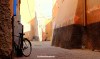
El Gouna: Egypt’s seaside idyll?

You need to fly at least five hours from the UK to find guaranteed winter sunshine and warmth.

So I booked a trip to the Egypt’s warm Red Sea coast for some much needed Vitamin D.

But I didn’t choose the ever popular Sharm El-Sheik – I decided to stay in El Gouna, Egypt’s upmarket purpose-built resort which took shape from 1990.

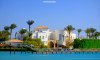
With its series of little islands and lagoons connected by bridges, the town has been called The Venice of Egypt.

How did this safe, manicured holiday idyll measure up? READ MORE BELOW


Tap/click first image to see gallery

I chose the Creek Hotel and Residences as my El Gouna home. Modern and comfortable, with friendly staff and a great buffet breakfast and dinner to graze on.

It was fairly quiet, with plenty of room around the sun-kissed pool area and small stretch of beach next to the furthest reach of lagoon.

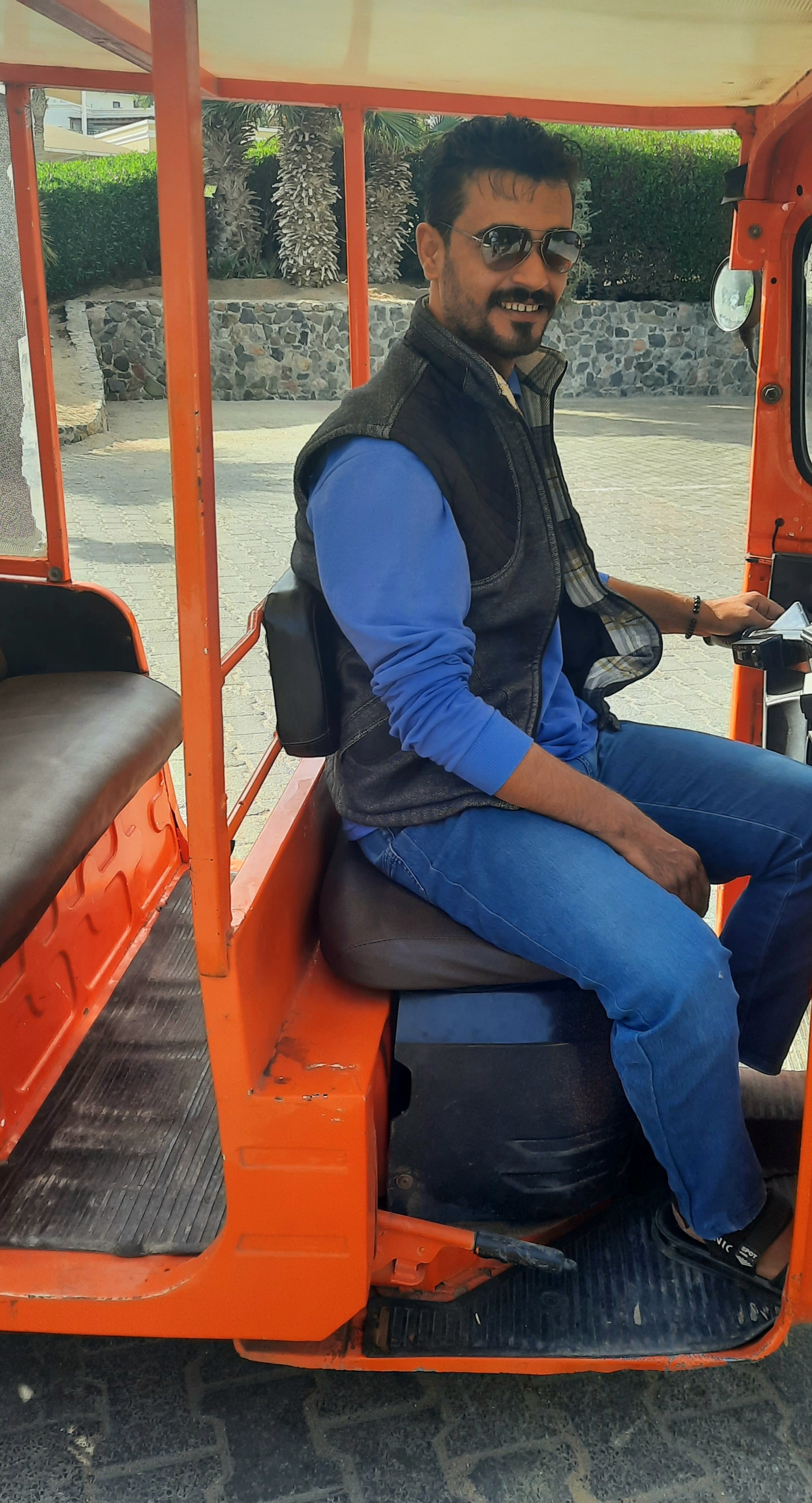
A tuk tuk driver and his vehicle in the Egyptian resort of El Gouna

Tuk tuks are El Gouna’s transport of choice

The hotel wasn’t in easy walking distance of El Gouna’s downtown and seaside area. But there was a solution – a fleet of fast and cheap tuk tuks to whisk you around.

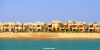
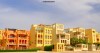
With its rows of pastel, white and sand-coloured villas set next to the water, the resort had an architectural purity and neatness that was a joy to photograph.

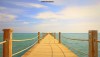
Zaytouna Beach, next to an ironically blue Red Sea, was full of places to settle and sunbathe and had a stunning boardwalk to wander along.

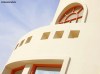
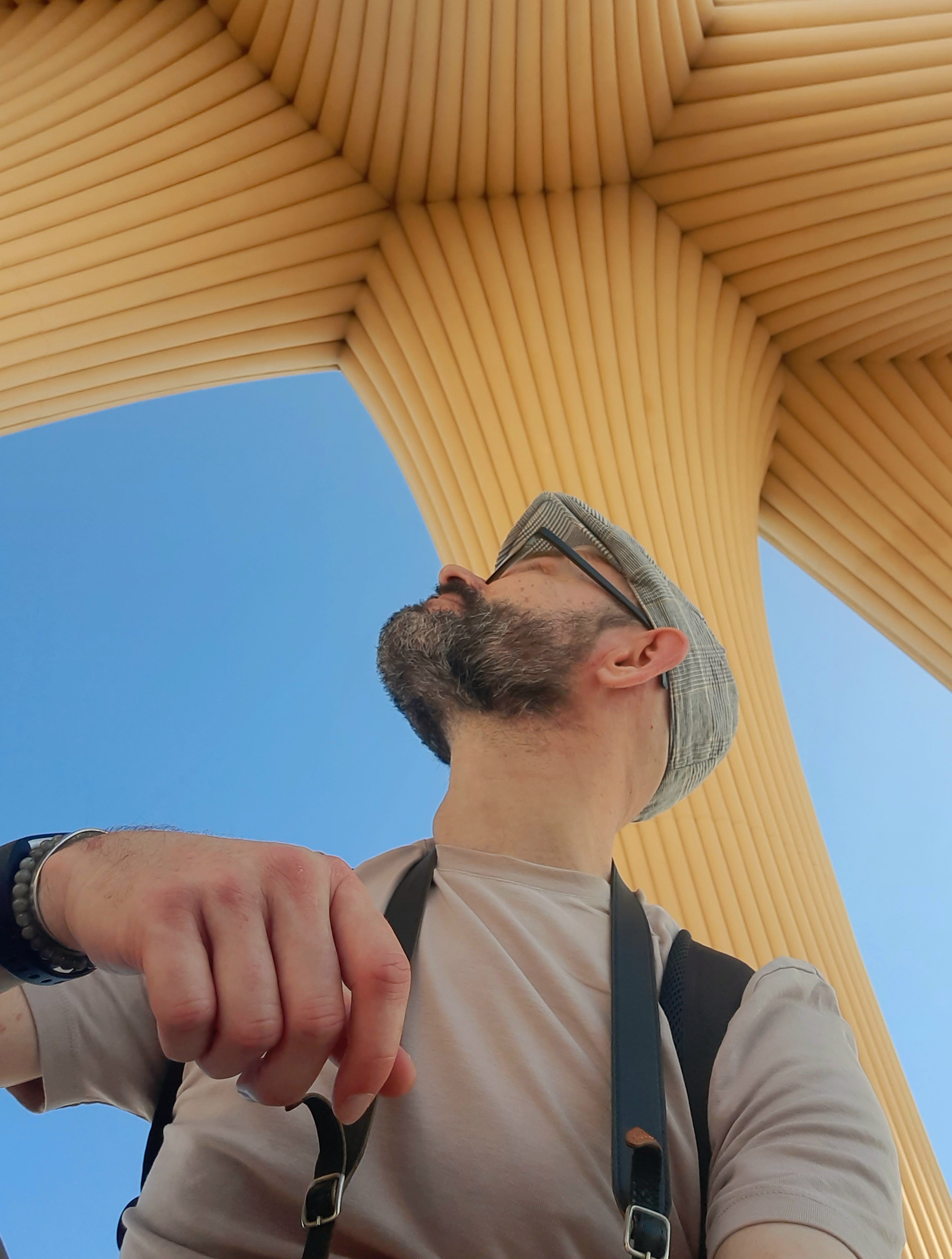
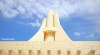
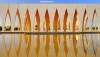
An unexpected attraction further inland was the Festival Plaza, a tall structure full of symmetry that didn’t seem to be doing anything apart from crying out to be photographed from all angles.

I also wandered around the downtown area a lot, with the shopping area designed like a souk but without any of the hard sell hassle.

Mike Osborn beneath El Gouna's impressive Festival Plaza structure.

The Festival Plaza was an impressive find

And the marina areas were lined with impressive looking crafts, handsome villas, upmarket cafes – and even a pristine white lighthouse.

Maybe El Gouna didn’t pack enough of an Egyptian punch  and felt a little too smooth and perfect.

This is why I took a trip to nearby Hurghada, a larger city which delivered more of an authentic feel with bustling street life and some rough around the edges architecture.

I thoroughly enjoyed my dose of winter sunshine and a refreshing change of scenery in El Gouna. Maybe the answer is to come here to decompress after a more intense visit to Egypt’s vast, chaotic capital Cairo?

Link to the travel directory on mikeosbornphoto

Tunisia: Island architecture

My trip to Tunisia’s Djerba island was intended as a relaxing sunshine break after the long, chilly British winter.

Instead of lying on the beach I decided to hire a bicycle and see some of Djerba’s sights using pedal power alone.

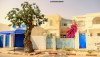
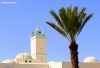
Riding my trusty two-wheeled companion from Djerba Cyclo, I visited a wealth of mosques, saw some of the island’s abandoned buildings and appreciated the architecture of my hotel.

The gleaming combination of whitewash against blue sky was the biggest takeaway from my Tunisian island travels.

Read about my top finds below.


Tap/click first image to see gallery


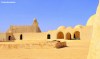
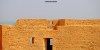
Fadhloun mosque. Built in the 14th century, this mosque had the colour of Saharan sand when I visited. It’s a little eroded with the passage of time and remains a place of worship to this day. Very different to the loftier, more modern mosques of Djerba. Worth the cycle ride!

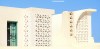
Tunisian windows. This became my obsession in Djerba. They’re typically shielded with ornate metal grilles, often painted blue. Instagrammable? You bet they are.

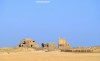
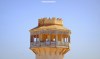
Abandoned architecture. The curious tower along Mehari Beach which may have been a restaurant terrace. And the landmark buildings on the island’s Ras Rmel peninsula, fittingly a nature reserve and home to unspoilt beaches.

Link to mikeosbornphoto's Facebook page

Djerba: A little piece of Tunisia

There’s only one way to escape a long British winter and that’s flying off to warmer climes.

I chose Tunisia as my change of scenery and the island of Djerba in the south of this North African country.

Djerba has been welcoming guests for decades with its Mediterranean shores, golden sands and wealth of hotels.

While relaxing in the sun is on offer, delve a little deeper and you’ll discover Arab culture and the vibrancy of the souk. CONTINUE READING BELOW


Tap/click first image to see gallery

Booking my package trip to Djerba was effortless, with direct flights from Manchester and choosing one of the numerous hotels on offer.

The Iberostar Waves Mehari, with its large premises at the quieter end of Djerba’s north-east coast and close to the beach, looked a good choice.

The gardens were nicely manicured, my room quiet and comfortable, while the buffet restaurant was packed with delicious food at breakfast and dinner.

The hotel also has its own stretch of beach – the starting point for me to explore this developed coast. First impressions were that it was a little scruffy, while friendly packs of dogs existed alongside camels and horses that could be hired for rides.

While many holidaymakers choose to relax by the hotel pool, I decided to hire a bicycle thanks to the very friendly service of Djerba Cyclo.

I visited other parts of the island’s coastline on my metal steed and discovered some truly stunning beaches which were practically deserted and bathed in Caribbean colours.

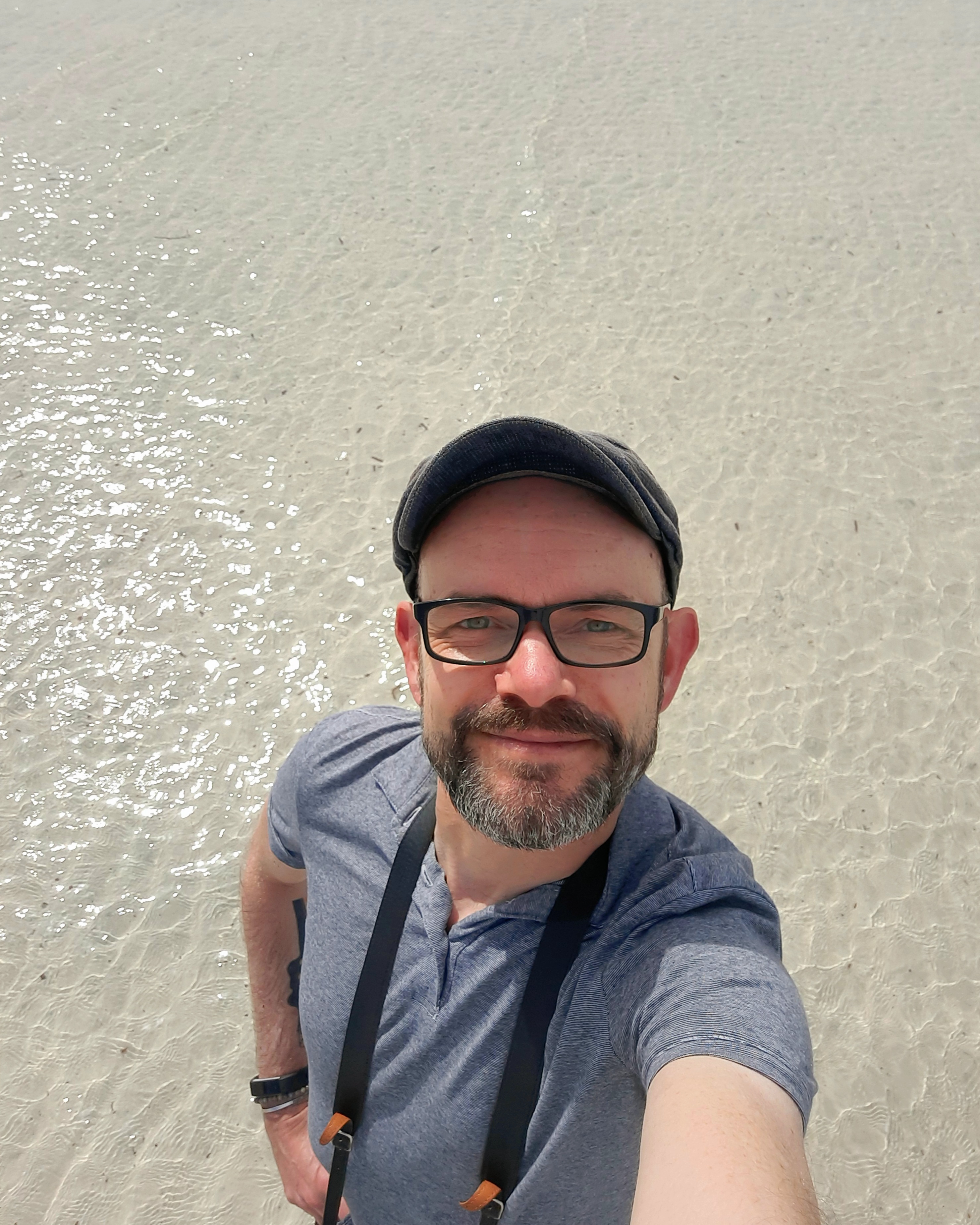
Author Mike Osborn enjoying the cool waters of Djerba in Tunisia.

Djerba is a place to take a paddle

I was intent on visiting Houmt Souk, Djerba’s main town, but swapped bike for very reasonably priced taxi to make the 22km journey each way.

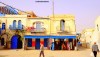
The town’s old souk is captivating with its little winding streets with some shabby facades offering colourful wares.

Yes you’ll be hustled inside shops and given the hard sell, but it’s part of the experience and there’s never an obligation to buy. Use it as an opportunity to speak to Tunisians and find out a little more about them.

It’s also worth walking to the seafront and visiting the Ghazi Mustapha fortress’s solid walls. From the ramparts I noticed bathers paddling in the surprisingly shallow waters.

Djerba. You can visit and never leave your sunbed – the perfect holiday for some people. But it’s worth seeing more of this Tunisian island. Next time: Cycle rides, mosques and Djerban architecture.

Link to more posts about travel on mikeosbornphoto

Agadir: Morocco’s resort city

Morocco’s seaside city of Agadir was rebuilt from scratch in 1960 after a devastating earthquake. It’s popular with European tourists but does it lack Eastern promise? CONTINUE READING BELOW


Tap/click first image to see gallery

Agadir’s crowning glory is its long, sweeping beach and promenade. They’re popular with Moroccans and tourists for walks, football games and dipping into the frothy Atlantic brine.

The shoreline is beautiful, and drew me into the water with my camera to capture reflections and the sheen on the sands.

It’s lined with a dizzying array of hotels, including the Palais de Roses which was my pleasant base for the week. Yes, the area feels a little watered down, European-leaning and lacking the North African buzz and excitement of Marrakech. It’s easier to find a steak dinner than a lamb tagine.

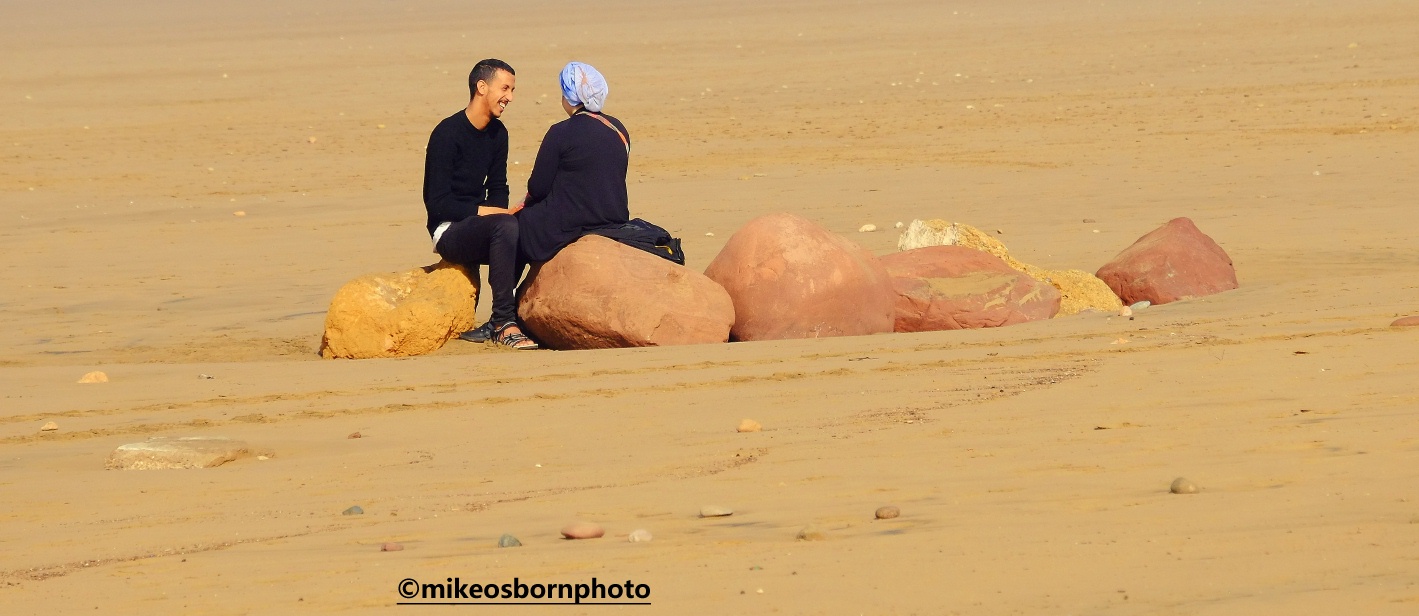
Couple on Agadir beach, Morocco

A romantic moment on Agadir’s beach

You could easily spend a week lounging by the pool and wandering along the beach. But inland there’s a whole other Agadir which is well worth exploring. It’s quite a walk from the seaside but there’s no shortage of taxis to take the strain. 

The city centre is where everyday Moroccan life happens. And given it was rebuilt in the 1960s, back streets in the Abattoir district look like they’ve been there for centuries.

You have to visit the Souk el Had, crammed with produce, tourist trinkets and just about everything else you can lay your hands on. It’s heady, pungent and brings you that Eastern promise in spades. Don’t be too polite to say no to stallholders’ approaches, and be careful when photographing people in the market.

It’s also worth taking a taxi up to Oufella, the hill that overlooks Agadir bay and is emblazoned with the words ‘God, King and country’. The views are exceptional, although when I went it was unusually murky (typical).

I also went on day trips to other parts of the coast, but can appreciate why some visitors decide to take it easy and just soak up the sun. The choice is all yours in the city of Agadir.

Link to mikeosbornphoto's Instagram account

Morocco road trip

On a trip to Morocco earlier this year I wanted to visit Legzira, of the country’s most striking beaches. Here’s how I did it. Read full story below


Tap/click first image to see gallery


The trip nearly didn’t happen after a booking made in the UK failed to materialise. But I was rescued by Bakhazouz Tours at my seaside base of Agadir.

It was early morning when small, wiry tour guide Imad arrived in his smart four-wheel drive jeep. My companions for the day were a pair of friendly, polite older French ladies – it was time to scrabble around for my schoolboy French. In the back were a young Russian couple who seemed content in their own bubble. Yet somehow they made it into one of my photographs.

The fabled stone arches of Legzira were a good three hours from Agadir, but this road trip came with a number of stops along the way. First it was a rustic Moroccan service station, complete with a butcher’s shop.

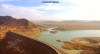
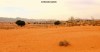
We reached the Youssef Ibn Tachfine Dam, with an artificial lake creating some unexpectedly beautiful landscapes. And close to this was a tiny scrap of full-on Sahara Desert, with orange sands and even a resident camel.

But for me a real highlight along the way was the old city of Tiznit where I could have spent much longer exploring and gathering photographs. Moroccan cities are intoxicating, colourful and humming with life. Tiznit’s ancient walls and crooked back streets were a thrill on the way to the main coastal attraction.

We finally got to Legzira by way of another beach called Sidi Mohamed Ben Abdelah, where buildings cling to the headland. Legzira itself is a small beach settlement of simple restaurants serving fish tagine, while there are also rooms for hire. Very tempting for catching blazing sunsets.

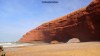
The beach is a broad sweep of sand with its famous ochre stone arch creating a corridor that you simply have to walk through. On one side it was enveloped in mist, from the other everything was clear and bright. You could spend hours wandering up and down the beach and exploring its rugged rock formations. Legzira was definitely worth the effort of getting there.

Our final stop seemed like a bonus. Further back up the coast, paragliders swooped around the sky catching some of those Atlantic thermals. A breathtaking sight, but a serious challenge for the camera.

Back in Agadir, I was the first to be dropped off. The end of a day trip is always tinged with sadness. Your companions head off into the sunset and are never seen again. It’s not usually long enough to establish real human connection. But I’d achieved my goal, I’d seen the Legzira arch and more besides.

Link to more posts about travel on mikeosbornphoto