Coastal hike: St Annes to Fleetwood

My Manchester home is a great base for visiting the sights of North-West England.

After countless day trips to the seaside and hills, I stayed a few nights at St Annes on Lancashire’s Fylde Coast.

There was no rush to catch the train home, I saw sunsets turn into summer nights and I had time for a long coastal photo hike after some shorter efforts on day visits.

From my base in St Anne’s I walked the 20km (12 miles) north to Fleetwood. It was a very warm day with a blue sky etched with some white candyfloss clouds.

Was there a lot to see and photograph? See for yourself – the gallery follows my route. Continue reading below for some hike highlights.


Tap/click first image to see gallery


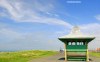
ST ANNES: With its vast beach and far distant tide, this was a tranquil (if warm) start to the trek. Just a few dog walkers to share the sand with, not far from the might of Britain’s best-known seaside resort.

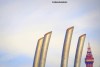
BLACKPOOL: Walking towards a large glitterball on the town’s South Shore means you have arrived. With three piers, a vast tower and plenty of visitors on a sunny day, it can be an assault on the senses but sparkles under the blue sky.

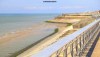
CLEVELEYS: Calmer compared to the razzmatazz of Blackpool, this beachfront has the elaborate architecture of sea defences and a giant seashell sculpture which is losing its lustre to the sea.

ROSSALL: More of a long stretch of coastal footpath with beach and open sea attached, this is a peaceful place to walk. At the end you’ll see the curious and unexpected Rossall Point watchtower.

FLEETWOOD: I tracked inland to see this town’s boating lake, which hides the sea and shimmers in the hot sunshine. A brief look at the impressive Mount Church before finding the tram stop to take me back south.

Staying for the sunset

I rode the entire Blackpool tram line from Fleetwood to Starr Gate, then faced a considerable walk back to my base on St Annes Promenade. After some refreshing drinks and refuelling, dusk and then sunset arrived.

The beach was busy with other sunset watchers, but not crowded. The pier created a focal point while silhouettes darted here and there.

This was the reason for staying over and not rushing back to Manchester. A little staycation with no flights, passports or other travel worries.
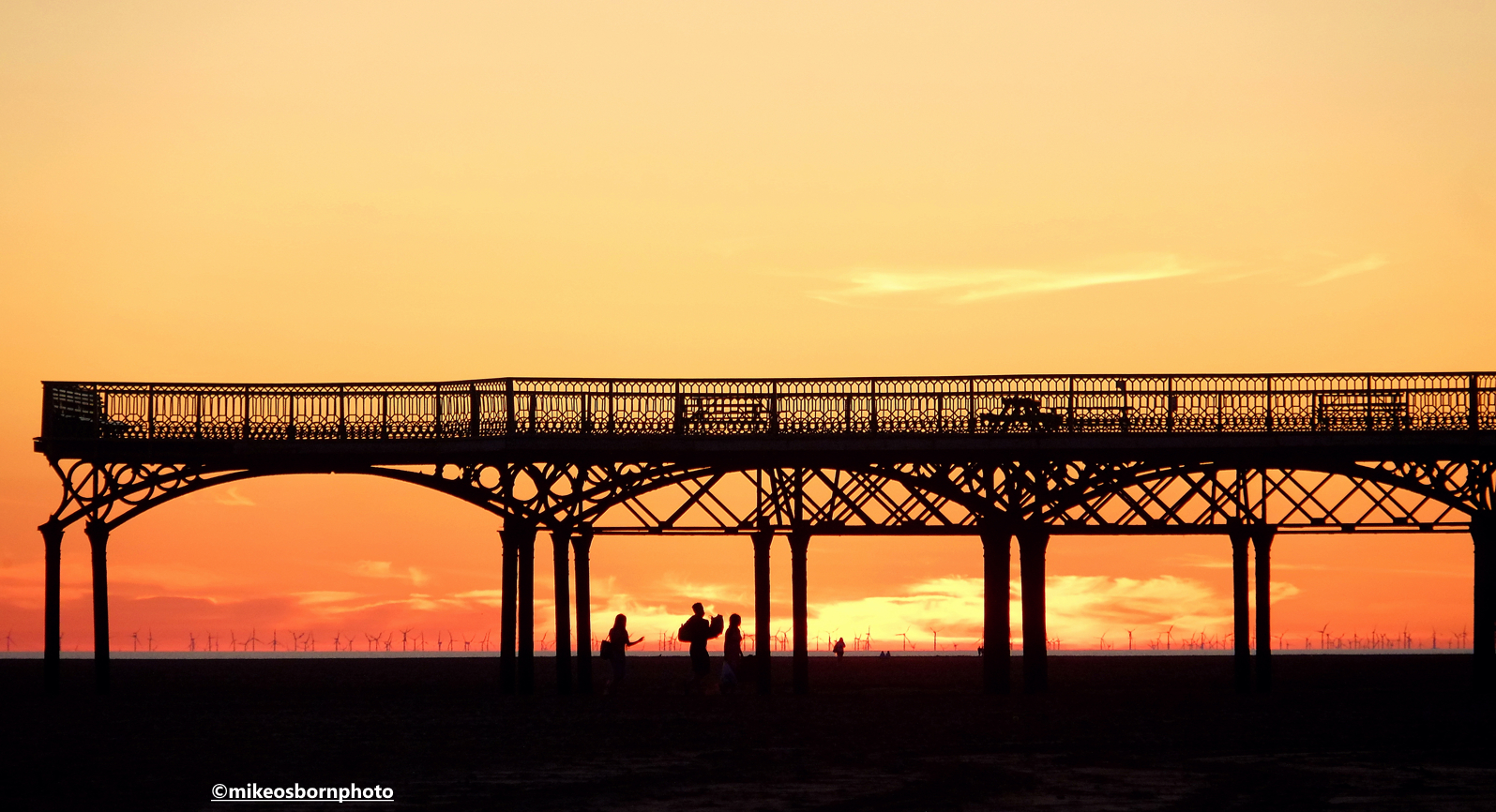
A summer sunset on St Anne's beach on the Lancashire coast.

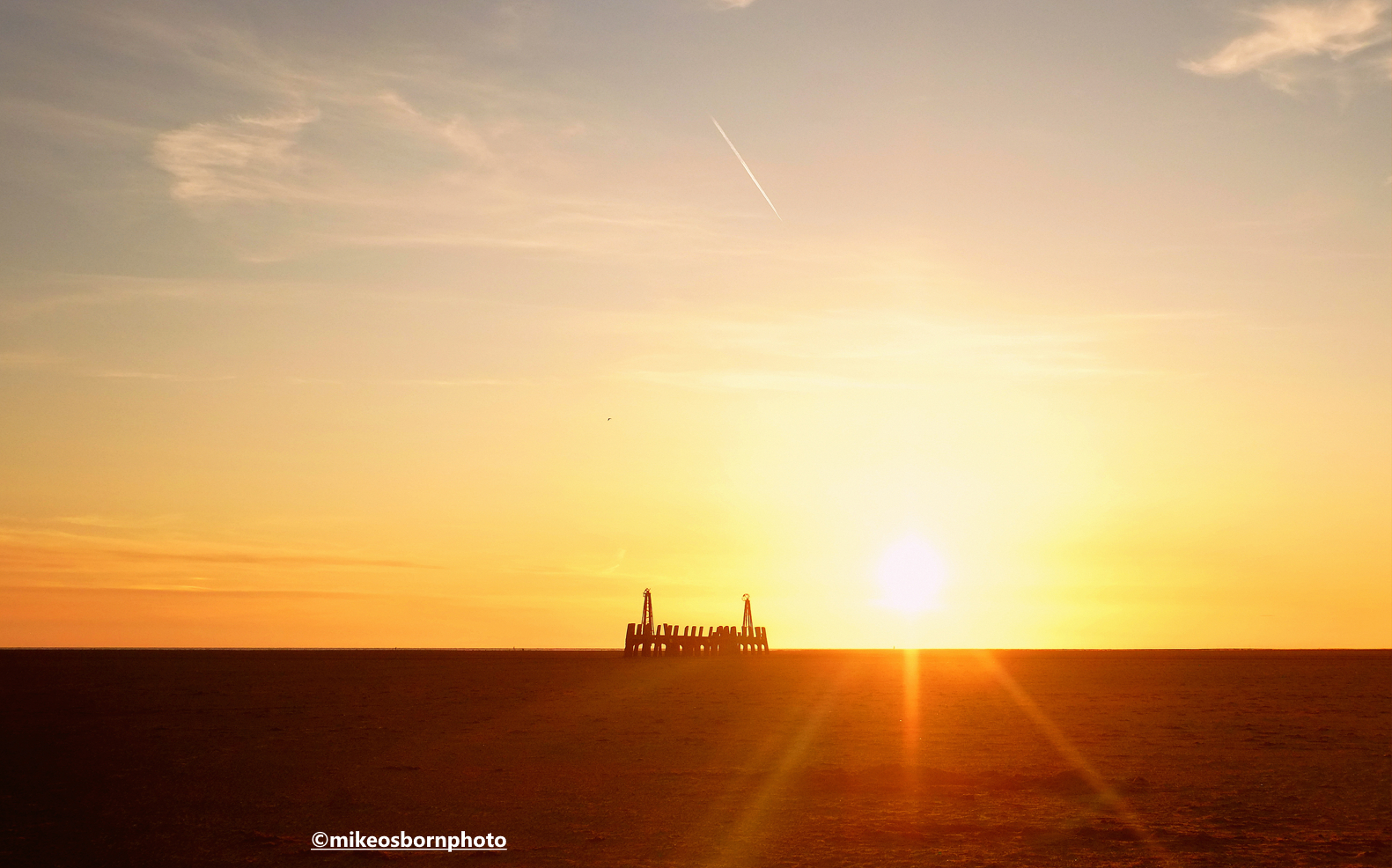
The sinking sun over St Anne's Beach in Lancashire, featuring the pier's old jetty.

Link to mikeosbornphoto's Facebook page

Almaty: Heart of Kazakhstan

Kazakhstan. One of the few countries to replace its capital city and build a brand spanking new one.

Almaty was the capital of Soviet and independent Kazakhstan from 1929-97 when the government upped sticks north to Astana.

The city still boasts a population of two million and is always on every Kazakhstan tour itinerary.

How does Almaty compare to its shiny replacement Astana? Here’s what I found on my trip to Kazakhstan. CONTINUE READING BELOW


Tap/click first image to see gallery


When you arrive in Almaty on a sleeper train from Shymkent, it takes time to adjust to your new settings.

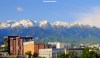
But this is a walkable city with a view of the mighty Tien Shan mountains never far away. On foot you soon discover Almaty is very different to purpose-built Astana.

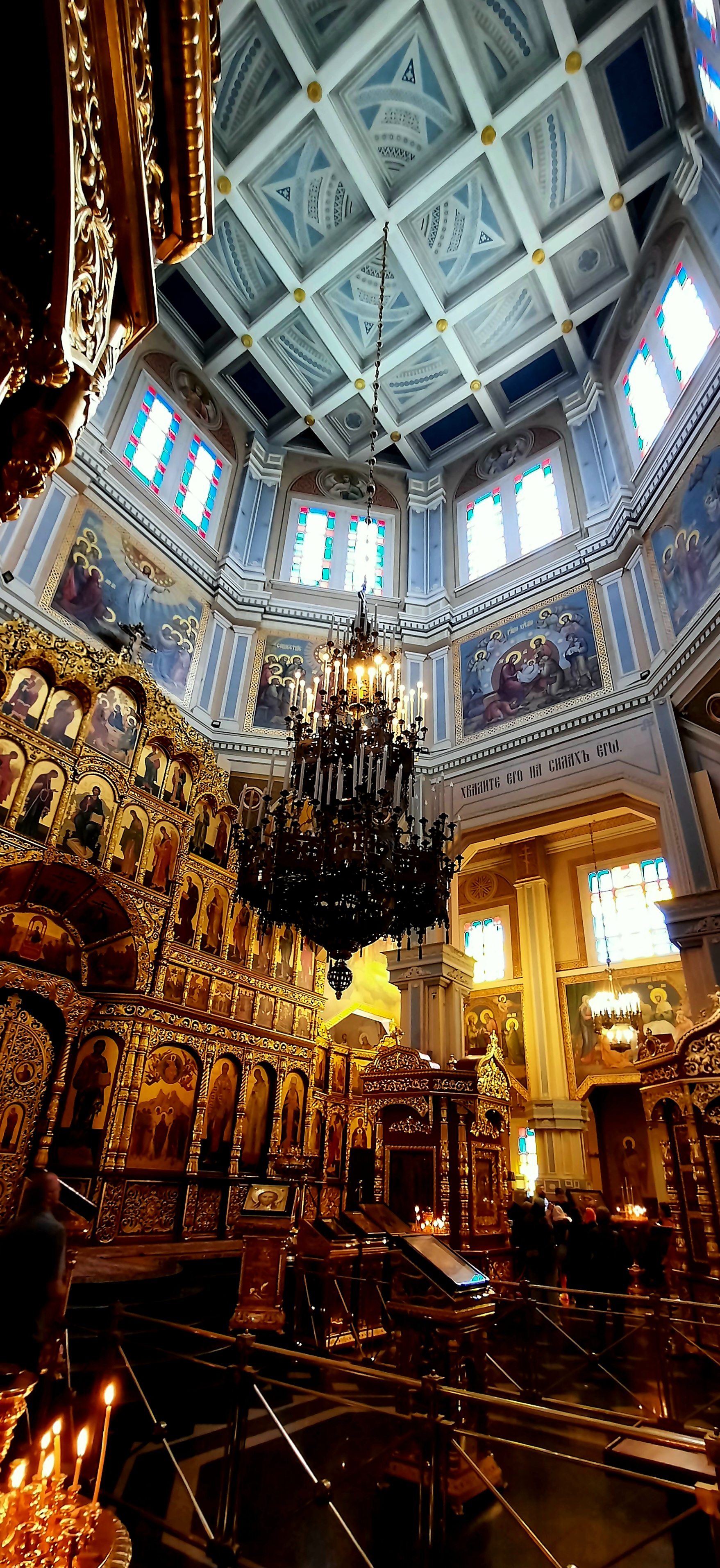
The opulent interior of the Orthodox Ascension Cathedral in Almaty, Kazakhstan.

The warmth and spirituality of Almaty’s Ascension Cathedral

The architecture stretches a lot further back, from well-worn but interesting apartment blocks from the Soviet era, to the multi-coloured confection of Almaty’s main Orthodox cathedral.

We were in Kazakhstan in time for commemorations to mark the Second World War’s end, and Almaty’s Memorial of Glory was carpeted in red flowers and decorated with Soviet symbolism. A bygone age that still casts a shadow over this city.

One legacy of the USSR sits deep beneath the surface of the city. The underground rail system is a cheap way to zip around Almaty and a tourist must-see with its elaborate and ornate stations.

The city’s vast Green Market groans under the weight of fresh produce (including horse meat – this is Central Asia). The colour, noise, people and aromas make it a place to explore and get a snapshot of a country.

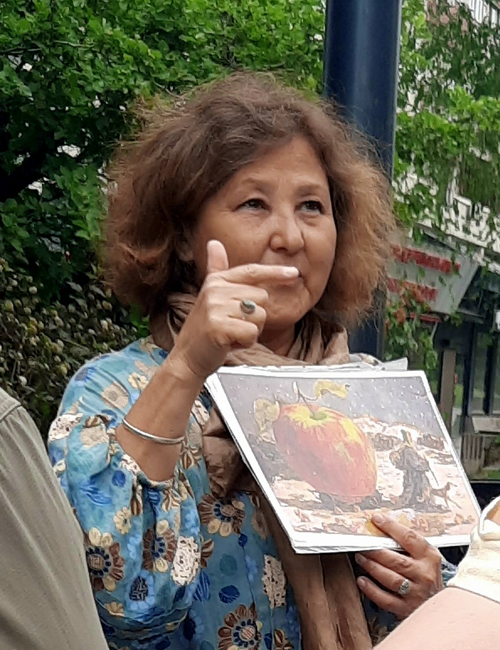
Tour leader Nazira Rakhmetova giving expert guidance around Almaty, Kazakhstan.

Discover Almaty with a local: expert guide Nazira in full flow

And if you want a memorable evening out, some city restaurants offer a robust range of national dishes accompanied by the mesmerising, haunting sound of live Kazakh music. This place turned out to be an excellent choice.

Time in Almaty was limited as we tried to cover the vastness of Kazakhstan (and smaller neighbour Kyrgyzstan).

But a solo Sunday afternoon stroll along Zhibek Zholi, one of Almaty’s thoroughfares, was very telling. It was relaxed with locals stopping for an ice-cream and enjoying a day off.

Almaty feels very lived in and like it has evolved over decades. It may no longer have the status of a national capital, but still has all the hallmarks of Kazakhstan’s most important city.

Link to mikeosbornphoto's Facebook page

Kazakhstan’s mystical city

Kazakhstan is vast. After being wowed by the country’s showpiece capital Astana, it took a two-hour flight to reach my next destination.

Turkistan is a city in the south of the country and the resting place of Khoja Ahmed Yasawi, a Sufi teacher and mystic revered by Central Asian Muslims.

His mausoleum is a beautiful old building in a place that celebrates ancient traditions. But Turkistan has a thoroughly modern side and is geared up for floods of visitors.

Is this a tourist trap or an essential stop on your Kazakh adventure? CONTINUE READING BELOW


Tap/click first image to see gallery


The Yasawi mausoleum is the star of Turkistan with its ornate blue dome, beautifully tiled exterior and a deep sense of history.

Other roots of Kazakh tradition are on show nearby, including an ancient bath house and a covered bazaar street (now selling an array of souvenirs).

Old gives way to the brand spanking new in the Karavansaray development, a complex offering shops, restaurants serving Kazakh dishes and other leisure pursuits. There’s even a Venetian-style waterway where you can take a boat trip.

While it’s easy to be a little cynical about what Turkistan has to offer, there’s one attraction which blew my socks off.

Housed under a sparkling gold dome, the flying theatre uses spectacular footage and shifting chairs to take you on a magic carpet ride over Kazakhstan.

Two young waitresses photographed at a traditional restaurant in the Kazakh city of Turkistan.

Steppe smiles: Staff at a Turkistan restaurant serving hearty Kazakh food

It was like a thinking man’s thrill ride and an unexpectedly moving experience which you must do if you land in this city.

Turkistan was just a quick stop between Astana and an overnight train ride to Kazakhstan’s biggest city Almaty. 

It broke up the long hours of travel and was a startling contrast between modern attractions and its ancient mausoleum, which is worth seeing if Uzbekistan and its Silk Road treasures are not part of your Central Asia itinerary.

Forgettable travel isn’t worth doing and Turkistan had its memorable moments.

Next time: Almaty, displaced by Astana as Kazakhstan’s capital, but still arguably the beating heart of the country.

Astana: Pride of Kazakhstan

After a 15-hour journey from my home in Manchester, I arrived in Astana, the shiny purpose-built capital of Kazakhstan.

This first taste of Central Asia promised to be far from the myths created by Borat.

Astana became the Kazakh capital and seat of government in 1997, a thousand miles north of biggest city Almaty.

It bristles with tall, ambitious landmark buildings and wide avenues. Is Astana a strange folly or an architecture fan’s wet dream? CONTINUE READING BELOW


Tap/click first image to see gallery


My initial impression of Astana was like any other big city – snarled up with traffic. A light monorail is being built to take some pressure off the roads.

Some of Astana’s landmarks loomed large on the drive to the hotel, including the huge gold orb of the totemic Bayterek Tower.

My first little trip out with my camera ended stickily. I was photographing the blue dome of the Presidential Palace and was promptly apprehended by a police officer, asked for my passport and told to delete the image.

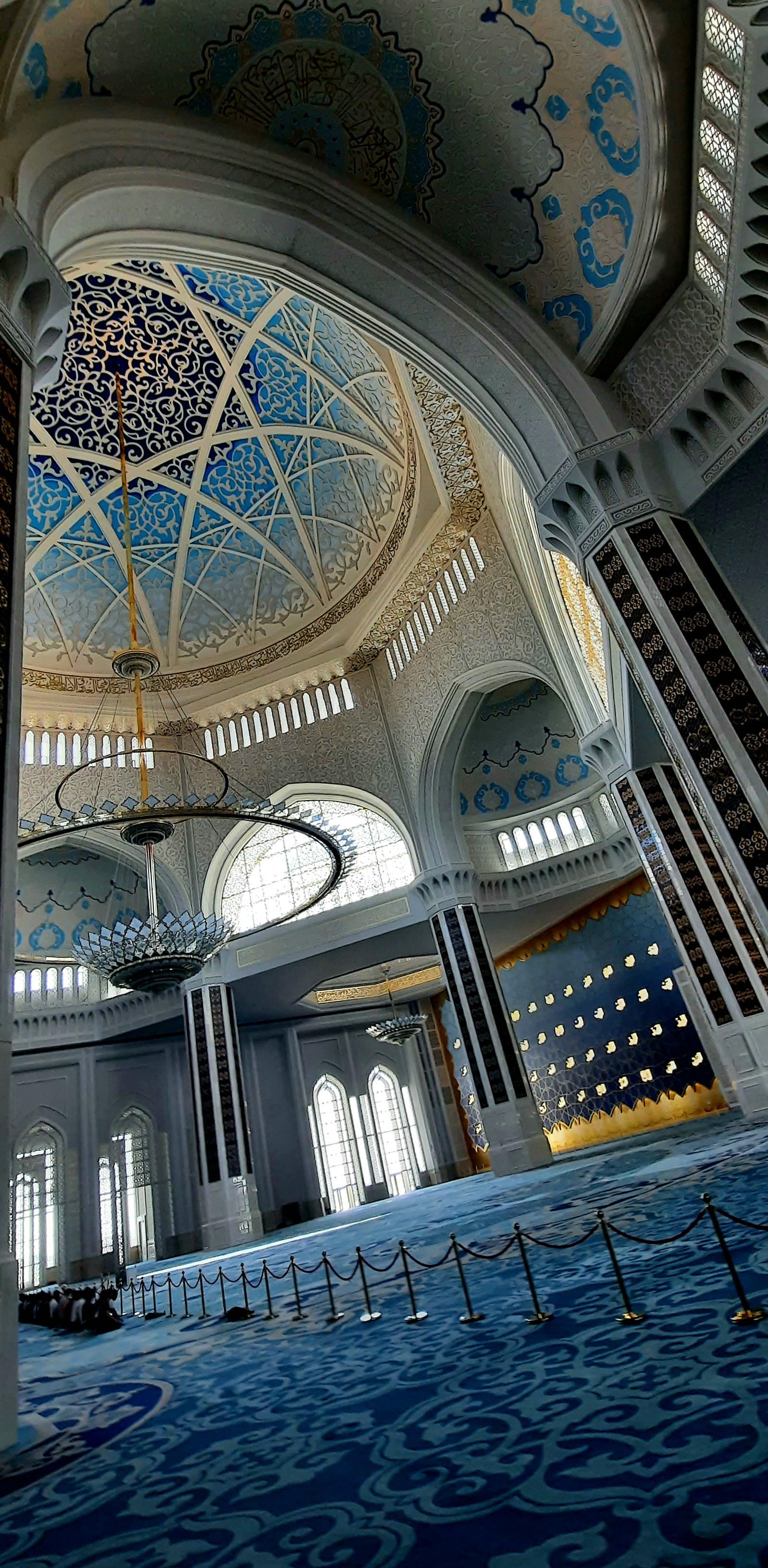
Nur-Astana mosque has to be visited

But me and my camera were never questioned again, which was welcome in this sparklingly photogenic new capital city.

It’s hard to walk around Astana without looking up at the vast collection of lofty architecture, from the symbolic to government ministries and very large modern apartment blocks.

Meanwhile, a visit to Nur-Astana mosque outside of the centre is a must with its many domes, palatial hallways and an awe-inspiring prayer room prompting more looking up.

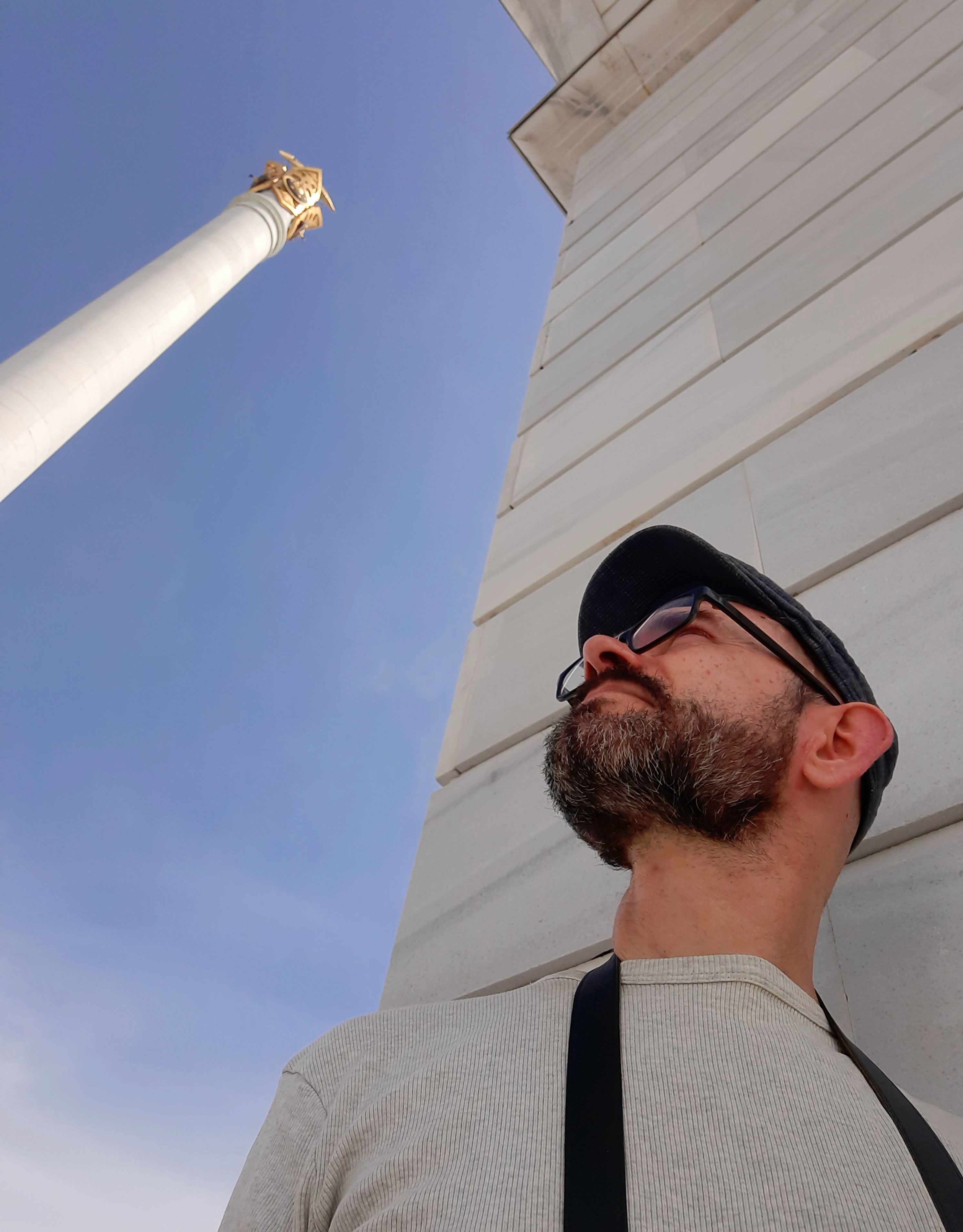
Mike Osborn in Independence Square in Kazakhstan's capital Astana.

Independence Square is a place for peering up

Astana may seem like an architectural playground, but is the heart of Kazakhstan’s government and the people who keep it running and live there.

There are plenty of restaurants and cultural amenities to visit in the evening, while the city is fond of its caffeine with coffee shops in abundance. It’s a fully fledged metropolis less than 25 years after it took shape.

As a visitor it feels fresh, new and exciting. But it has some big distances which you might prefer to cover with a trusty taxi app. Worth the lengthy journey to get to this capital city on the steppes? That’s a yes from me.

Link to mikeosbornphoto's Instagram account

Kyrgyzstan: Small but mighty

I finally made it to Central Asia after years of travelling to other places instead.

This vast region – made up of five countries or ‘stans’ – is full of natural wonders, remnants of the Silk Road and endless terrain.

Some travellers choose to visit all countries in one epic trip, but I plumped for Kazakhstan and Kyrgyzstan in a relatively swift bite.

Vast regional superpower Kazakhstan was followed by a quick glance at much smaller Kyrgyzstan – but did it do it justice? CONTINUE READING BELOW


Tap/click first image to see gallery


Crossing the land border into Kyrgyzstan was a choreographed but swift procedure. One young border guard grinned to see my passport photo hair has since disappeared.

This brief foray into the country was largely based around Karakol, a provincial city within striking distance of the Chinese border.

It boasts a beautiful wooden Orthodox cathedral topped with gold, a colourful mosque built without a single nail and many old Russian-style cottages with ornate shutters.

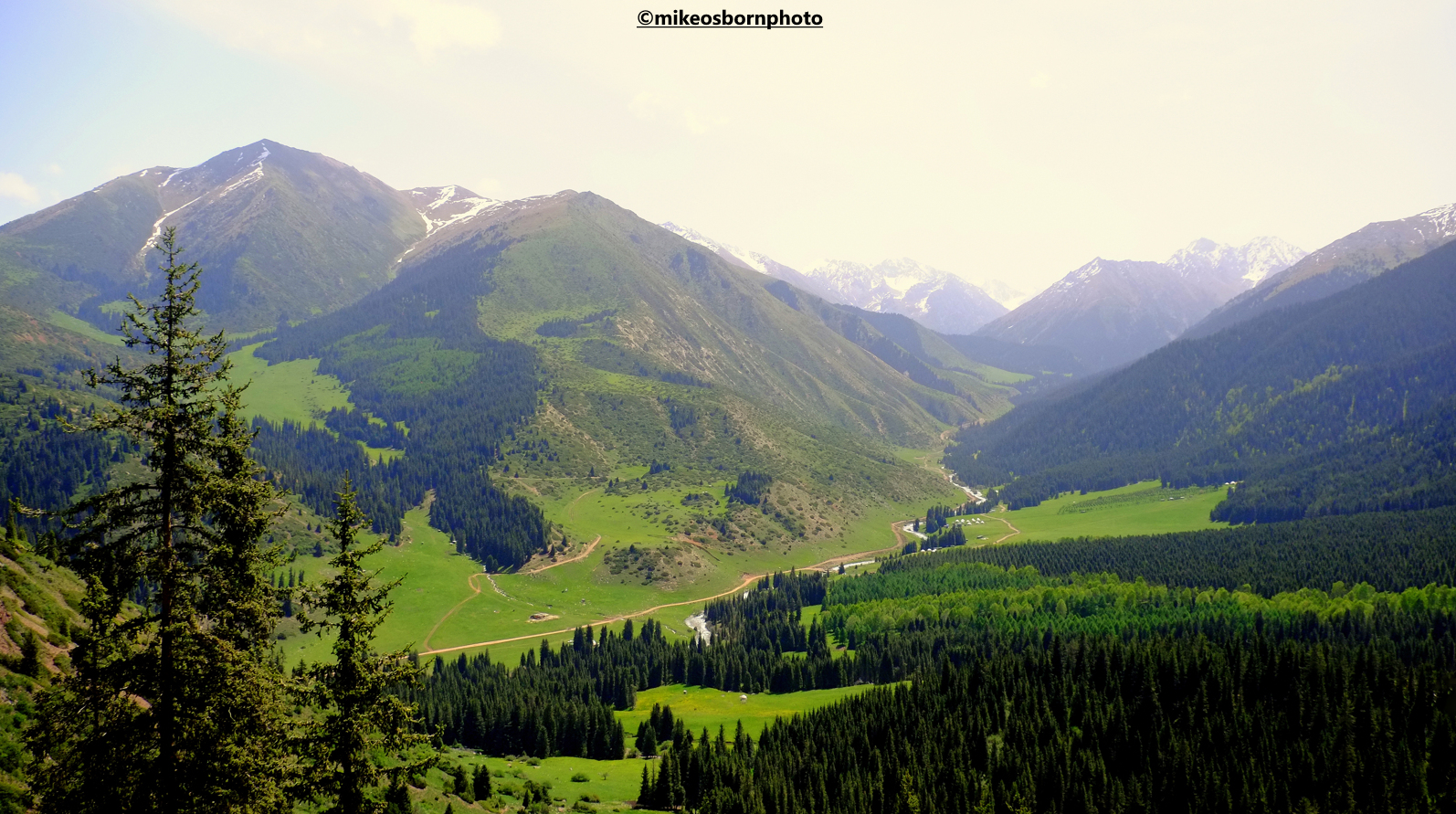
A lush valley among the Tien Shan mountains of Kyrgyzstan.

Kyrgyzstan’s mountain valleys have a lush Alpine feel

Karakol was the launch pad to experience Kyrgyzstan’s landscape – verdant valleys surrounded by the mighty, snow-capped Tien Shan mountains.

These lands are studded with yurts and horsemen. This is breath-taking, open countryside, making even short hikes a tonic for the soul.

At Jeti Oguz Canyon, the rugged rock turns a rich terracotta colour. Little tip: look for the coffee hut perched there which serves an excellent brew and deliciously creamy hot chocolate.

There’s a different side to Kyrgyzstan when you reach Issyk-Kul Lake. This vast body of water is a place of pleasure boat rides and even boasts beaches and piers. It makes up for the coastline this landlocked nation doesn’t possess.

The lake’s cool vibes were followed by a long trip to a very sultry Bishkek, Kyrgyzstan’s capital. My enduring regret of this trip was not booking a couple of extra nights to explore the city.

Mike Osborn taking photographs on Lake Issyk-Kul in Kyrgyzstan.

Testing my ‘sea’ legs in Kyrgyzstan. Photo: Wiktoria Tomkiewicz

After a final meal with the tour group – an eclectic bunch of nationalities and ages – it was time to prepare for a long, very early flight home. Bishkek will have a wait for another visit to Central Asia.

Kyrgyzstan felt more restrained and a lot less emboldened by oil and gas riches than their mightier Kazakh neighbours to the north.

But it’s a country blessed with landscape and beguiling culture. Well worth visiting if you come all this way. Stay a little longer if you can.

Next time: The start of a series on Kazakhstan – time to put those Borat myths to bed?…