El Gouna: Egypt’s seaside idyll?

You need to fly at least five hours from the UK to find guaranteed winter sunshine and warmth.

So I booked a trip to the Egypt’s warm Red Sea coast for some much needed Vitamin D.

But I didn’t choose the ever popular Sharm El-Sheik – I decided to stay in El Gouna, Egypt’s upmarket purpose-built resort which took shape from 1990.

With its series of little islands and lagoons connected by bridges, the town has been called The Venice of Egypt.

How did this safe, manicured holiday idyll measure up? READ MORE BELOW


Tap/click first image to see gallery

I chose the Creek Hotel and Residences as my El Gouna home. Modern and comfortable, with friendly staff and a great buffet breakfast and dinner to graze on.

It was fairly quiet, with plenty of room around the sun-kissed pool area and small stretch of beach next to the furthest reach of lagoon.

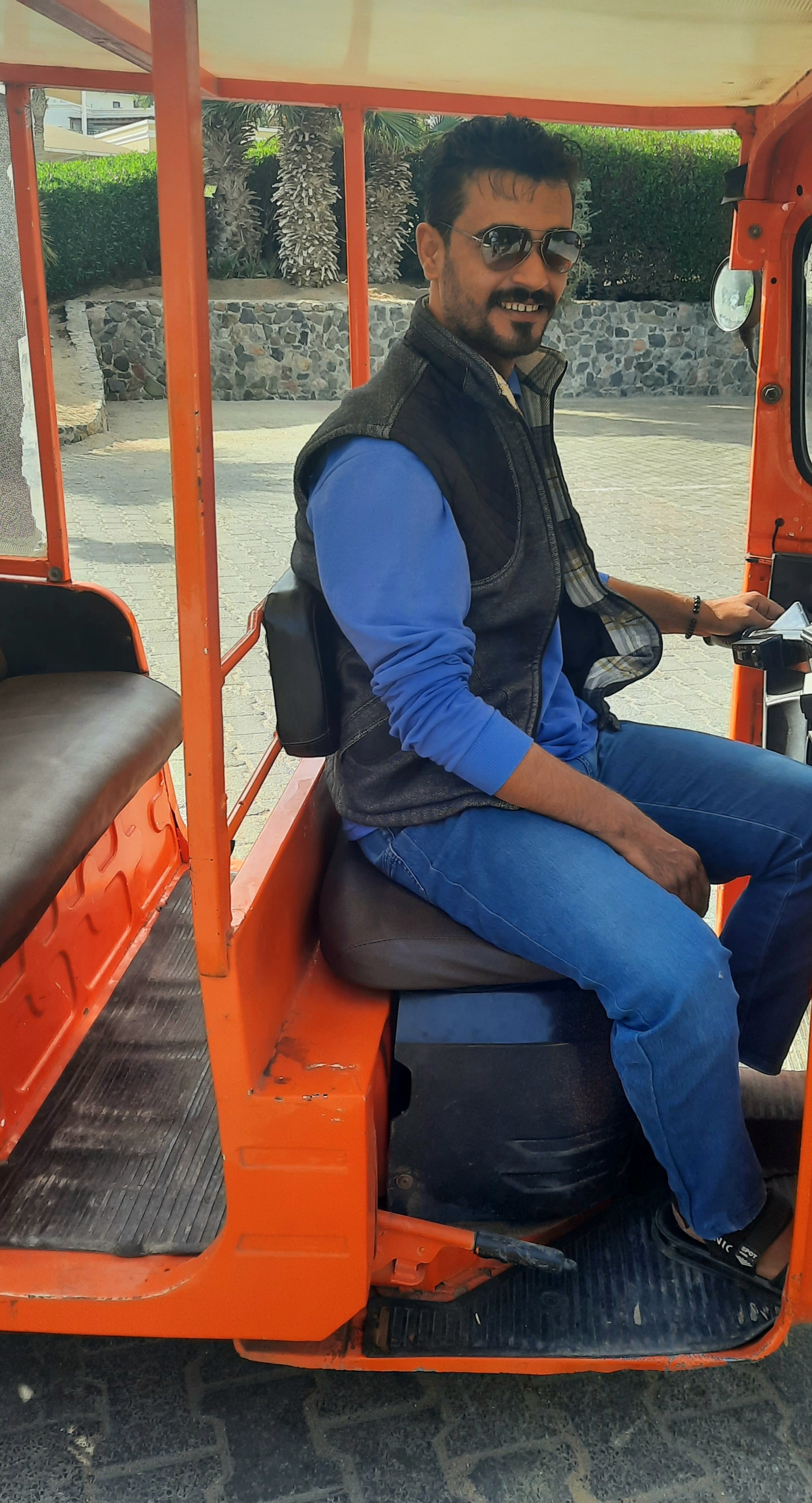
A tuk tuk driver and his vehicle in the Egyptian resort of El Gouna

Tuk tuks are El Gouna’s transport of choice

The hotel wasn’t in easy walking distance of El Gouna’s downtown and seaside area. But there was a solution – a fleet of fast and cheap tuk tuks to whisk you around.

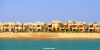
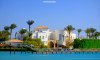
With its rows of pastel, white and sand-coloured villas set next to the water, the resort had an architectural purity and neatness that was a joy to photograph.

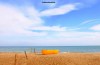
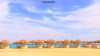
Zaytouna Beach, next to an ironically blue Red Sea, was full of places to settle and sunbathe and had a stunning boardwalk to wander along.

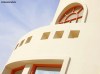
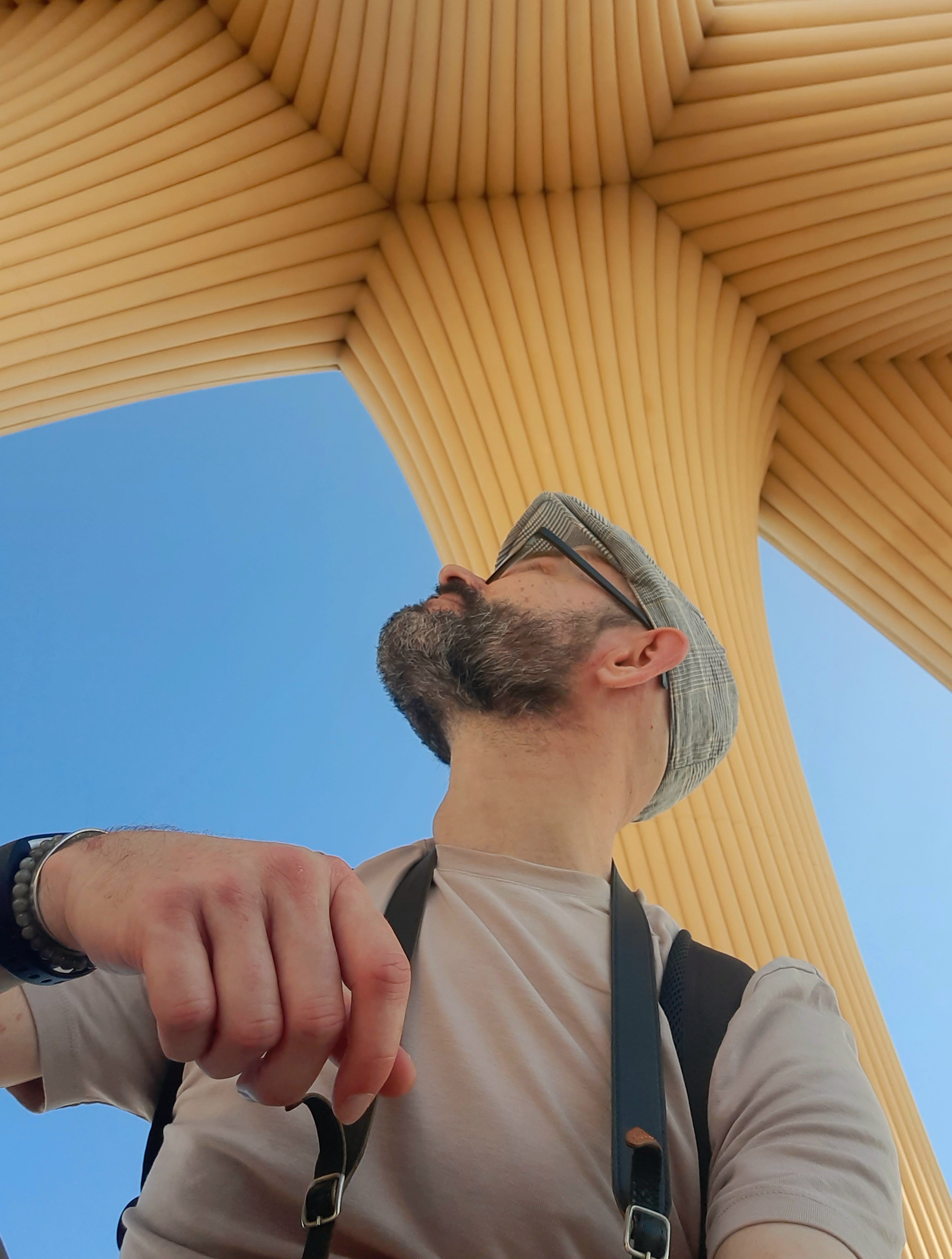
An unexpected attraction further inland was the Festival Plaza, a tall structure full of symmetry that didn’t seem to be doing anything apart from crying out to be photographed from all angles.

I also wandered around the downtown area a lot, with the shopping area designed like a souk but without any of the hard sell hassle.

Mike Osborn beneath El Gouna's impressive Festival Plaza structure.

The Festival Plaza was an impressive find

And the marina areas were lined with impressive looking crafts, handsome villas, upmarket cafes – and even a pristine white lighthouse.

Maybe El Gouna didn’t pack enough of an Egyptian punch  and felt a little too smooth and perfect.

This is why I took a trip to nearby Hurghada, a larger city which delivered more of an authentic feel with bustling street life and some rough around the edges architecture.

I thoroughly enjoyed my dose of winter sunshine and a refreshing change of scenery in El Gouna. Maybe the answer is to come here to decompress after a more intense visit to Egypt’s vast, chaotic capital Cairo?

Link to the travel directory on mikeosbornphoto

Hurghada: A real taste of Egypt

Feeling the winter chill and overdue a change of scene, I booked my very first trip to Egypt.

I didn’t choose the Pyramids or a Nile Cruise, but the upmarket sun-kissed Red Sea resort of El Gouna.

But I craved a taste of real Egypt and booked a day trip to the nearby city of Hurghada.

Was this an eye-opening contrast to the beach and sun loungers? READ MORE BELOW


Tap/click first image to see gallery


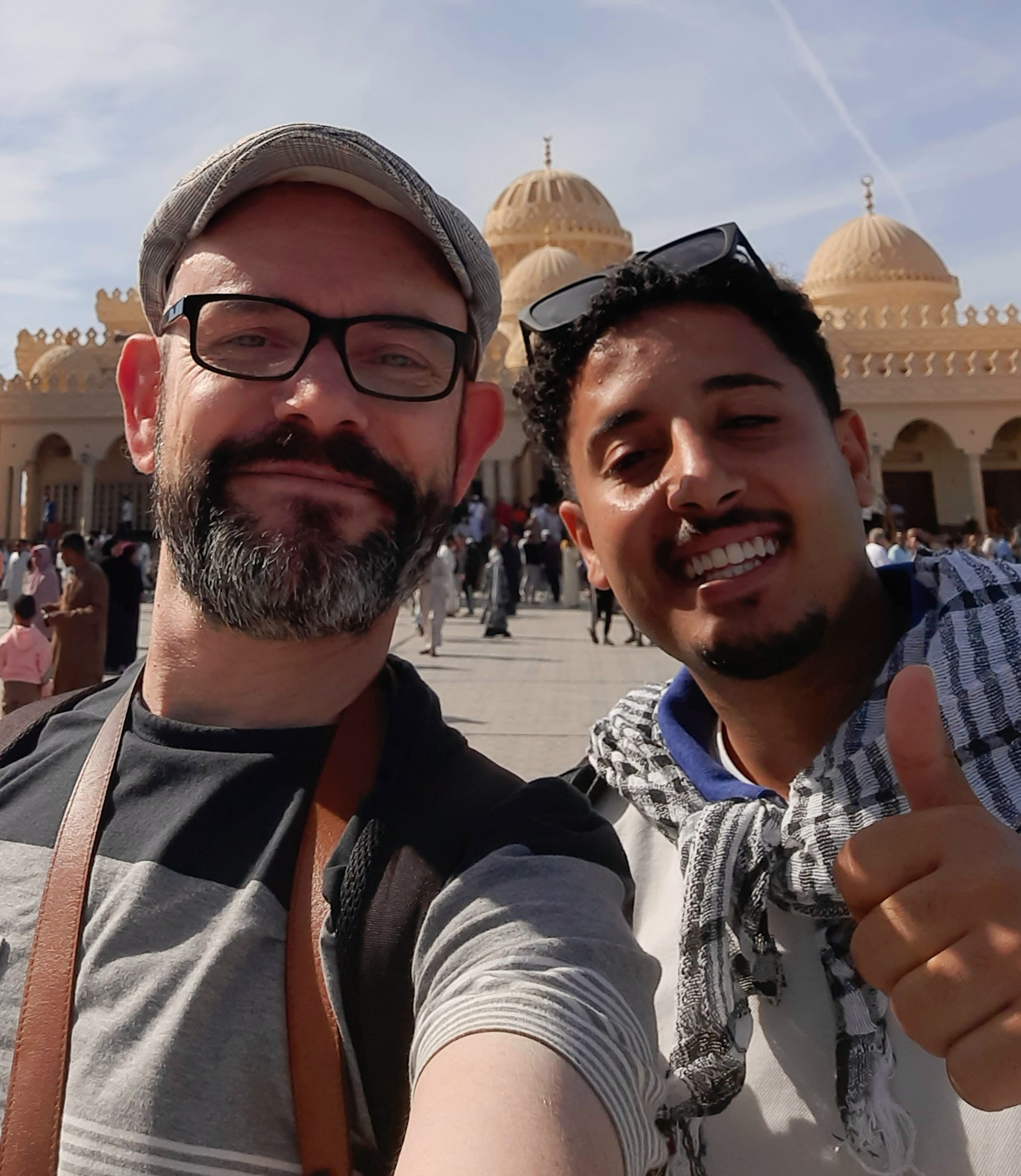
My day was spent in the company of tour guide Mostafa, an enthusiastic and friendly young guy with a detailed knowledge of his home city.

We visited the city’s impressive waterside mosque, but this was Friday and time for prayers – the biggest event of the week.

Sitting with a throng of male worshippers, carefully following their every move and listening in awe to the Imam’s sermon was a great privilege, thanks to Mostafa.

We moved from one part of Egyptian life to the nearby fish market, bedecked with seafood and locals carefully selecting their catch of the day.

Mike and guide Mostafa taking in the sights

The marina area has been redeveloped for the tourist trade, with a slew of restaurants where Westerners would certainly feel at home.

I asked to head away from here and we went to an ordinary neighbourhood distant from the seafront, with a busy outdoor market and a colourful array of shops and cafes.

It was filled with a hotch-potch of architecture, with some buildings in need of some TLC. But this area of Hurghada felt authentically unmanicured.

A stop for a refreshing sugar cane juice and then mint tea at a sprawling street cafe – the domain of Egyptian men – added a further sense of authenticity to this experience.

My El Gouna base seemed much smoother around the edges but lacking that fizz of excitement when I returned – I’m glad I had this brush with real Egypt.

Link to more posts about travel on mikeosbornphoto

Kazakhstan: Natural wonders

If you visit Kazakhstan, you’ll definitely see some of this vast country’s impressive landscapes.

Between the contrasting cities of Astana and Almaty, my trip was filled with geographical highlights of a nation blessed by nature.

Lakes, canyons, mountains and water give Kazakhstan a lot to boast about. Here’s just a brief glance of views making the long journey to Central Asia worth every mile.


Tap/click first image to see gallery


The vast Kazakh steppe seen from a train

Link to more posts about travel on mikeosbornphoto

Almaty: Heart of Kazakhstan

Kazakhstan. One of the few countries to replace its capital city and build a brand spanking new one.

Almaty was the capital of Soviet and independent Kazakhstan from 1929-97 when the government upped sticks north to Astana.

The city still boasts a population of two million and is always on every Kazakhstan tour itinerary.

How does Almaty compare to its shiny replacement Astana? Here’s what I found on my trip to Kazakhstan. CONTINUE READING BELOW


Tap/click first image to see gallery


When you arrive in Almaty on a sleeper train from Shymkent, it takes time to adjust to your new settings.

But this is a walkable city with a view of the mighty Tien Shan mountains never far away. On foot you soon discover Almaty is very different to purpose-built Astana.

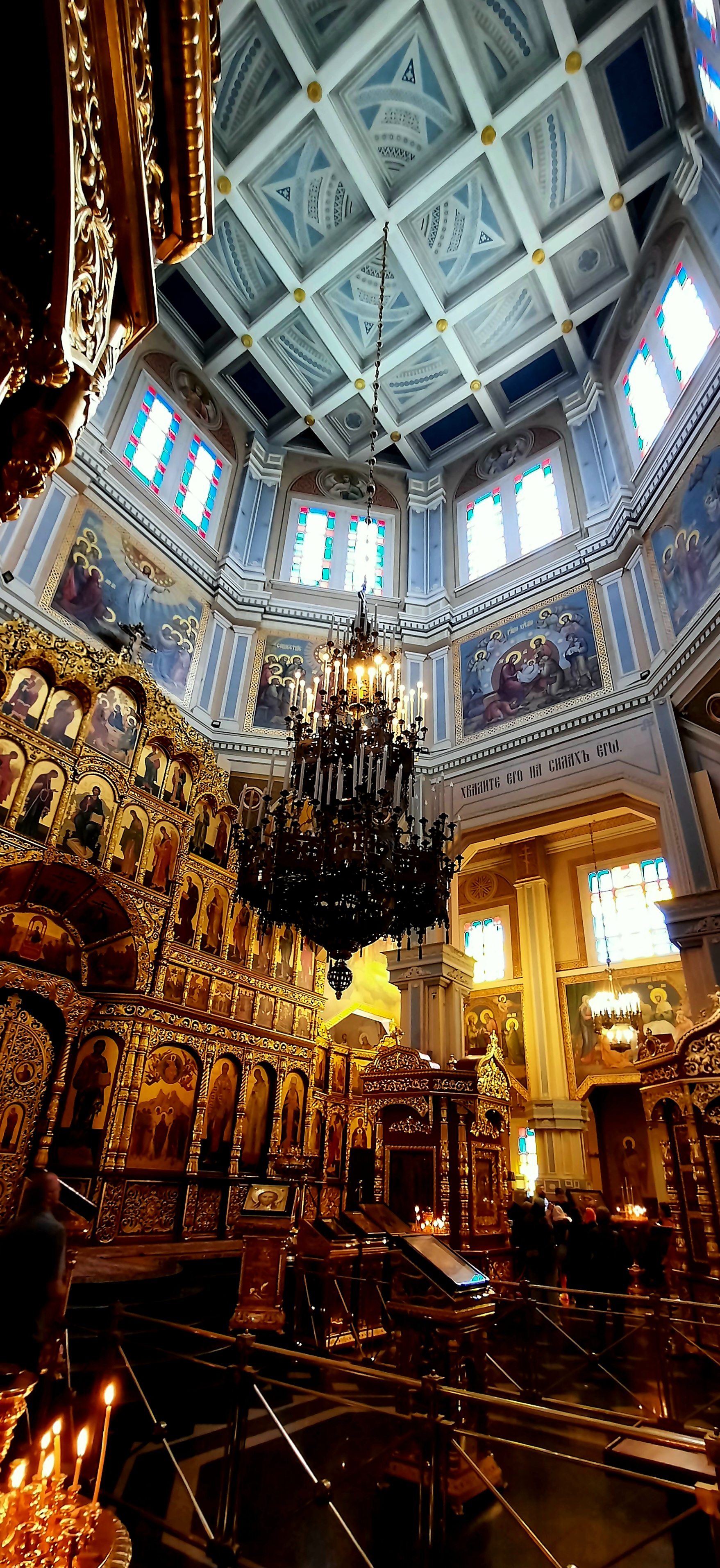
The opulent interior of the Orthodox Ascension Cathedral in Almaty, Kazakhstan.

The warmth and spirituality of Almaty’s Ascension Cathedral

The architecture stretches a lot further back, from well-worn but interesting apartment blocks from the Soviet era, to the multi-coloured confection of Almaty’s main Orthodox cathedral.

We were in Kazakhstan in time for commemorations to mark the Second World War’s end, and Almaty’s Memorial of Glory was carpeted in red flowers and decorated with Soviet symbolism. A bygone age that still casts a shadow over this city.

One legacy of the USSR sits deep beneath the surface of the city. The underground rail system is a cheap way to zip around Almaty and a tourist must-see with its elaborate and ornate stations.

The city’s vast Green Market groans under the weight of fresh produce (including horse meat – this is Central Asia). The colour, noise, people and aromas make it a place to explore and get a snapshot of a country.

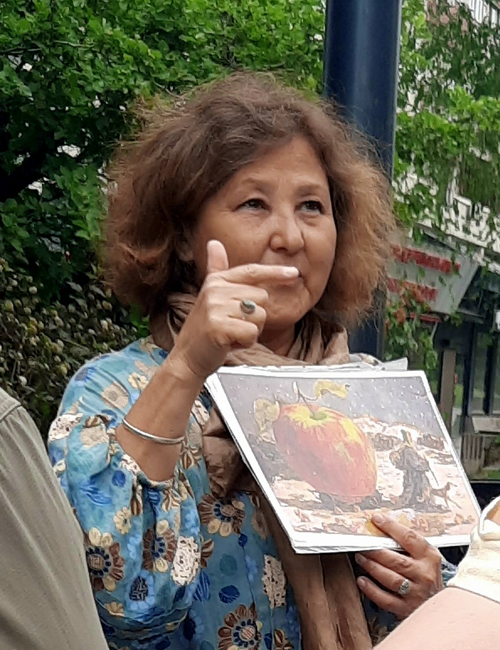
Tour leader Nazira Rakhmetova giving expert guidance around Almaty, Kazakhstan.

Discover Almaty with a local: expert guide Nazira in full flow

And if you want a memorable evening out, some city restaurants offer a robust range of national dishes accompanied by the mesmerising, haunting sound of live Kazakh music. This place turned out to be an excellent choice.

Time in Almaty was limited as we tried to cover the vastness of Kazakhstan (and smaller neighbour Kyrgyzstan).

But a solo Sunday afternoon stroll along Zhibek Zholi, one of Almaty’s thoroughfares, was very telling. It was relaxed with locals stopping for an ice-cream and enjoying a day off.

Almaty feels very lived in and like it has evolved over decades. It may no longer have the status of a national capital, but still has all the hallmarks of Kazakhstan’s most important city.

Link to mikeosbornphoto's Facebook page

Kazakhstan’s mystical city

Kazakhstan is vast. After being wowed by the country’s showpiece capital Astana, it took a two-hour flight to reach my next destination.

Turkistan is a city in the south of the country and the resting place of Khoja Ahmed Yasawi, a Sufi teacher and mystic revered by Central Asian Muslims.

His mausoleum is a beautiful old building in a place that celebrates ancient traditions. But Turkistan has a thoroughly modern side and is geared up for floods of visitors.

Is this a tourist trap or an essential stop on your Kazakh adventure? CONTINUE READING BELOW


Tap/click first image to see gallery


The Yasawi mausoleum is the star of Turkistan with its ornate blue dome, beautifully tiled exterior and a deep sense of history.

Other roots of Kazakh tradition are on show nearby, including an ancient bath house and a covered bazaar street (now selling an array of souvenirs).

Old gives way to the brand spanking new in the Karavansaray development, a complex offering shops, restaurants serving Kazakh dishes and other leisure pursuits. There’s even a Venetian-style waterway where you can take a boat trip.

While it’s easy to be a little cynical about what Turkistan has to offer, there’s one attraction which blew my socks off.

Housed under a sparkling gold dome, the flying theatre uses spectacular footage and shifting chairs to take you on a magic carpet ride over Kazakhstan.

Two young waitresses photographed at a traditional restaurant in the Kazakh city of Turkistan.

Steppe smiles: Staff at a Turkistan restaurant serving hearty Kazakh food

It was like a thinking man’s thrill ride and an unexpectedly moving experience which you must do if you land in this city.

Turkistan was just a quick stop between Astana and an overnight train ride to Kazakhstan’s biggest city Almaty. 

It broke up the long hours of travel and was a startling contrast between modern attractions and its ancient mausoleum, which is worth seeing if Uzbekistan and its Silk Road treasures are not part of your Central Asia itinerary.

Forgettable travel isn’t worth doing and Turkistan had its memorable moments.

Next time: Almaty, displaced by Astana as Kazakhstan’s capital, but still arguably the beating heart of the country.