Five escapes from the winter gloom

The European winter is long and hard with freezing weather and dreary days.

Here in Manchester, we’re enduring a spell of really cold torpid days instead of hopeful signs of Spring.

This makes February and March a perfect time to get away and inject some sunshine and warmth into our lives.

If you’re fortunate enough to be able jet off, jumping from winter into an early summer is worth the journey. Here are five places you might consider for an injection of Vitamin D – and much more.


1. AGADIR

Feb/March temperature: 20-23C

This Moroccan seaside resort has been welcoming European visitors escaping the winter for decades and is a four-hour flight from the UK. It has a broad stretch of Atlantic beach and a host of hotels and restaurants. The old town comes with a souk and a splash of North African colour to complement the warm seaside vibe, while there are other lovely coastal towns to visit.

Tap/click image to see more of Agadir
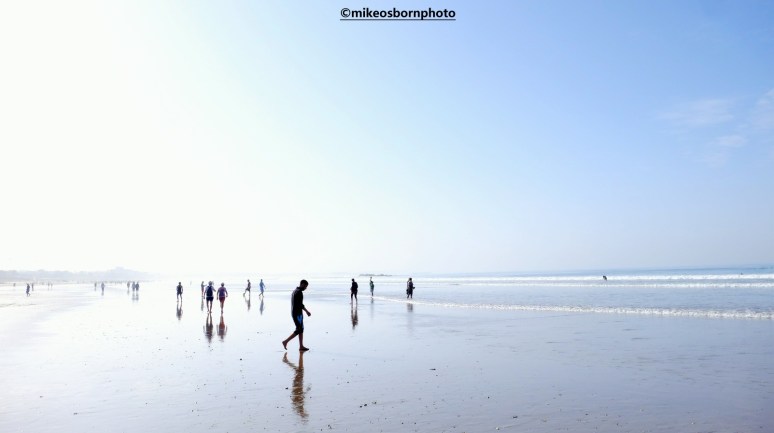
Visitors on a shimmering shoreline on Agadir beach in Morocco.


2. HAVANA

Feb/March temperature: 26-28C

This sunny destination is more long haul, but well worth the journey. This legendary city with its colourful, tumbledown buildings, vintage cars and salsa rhythms is a real experience which will erase all memories of winter. If you want to sip rum cocktails on the beach, then head to Varadero to soak up the sunshine and also consider visiting some of Cuba’s other delightful cities.

Tap/click image for more about Havana and the island of Cuba
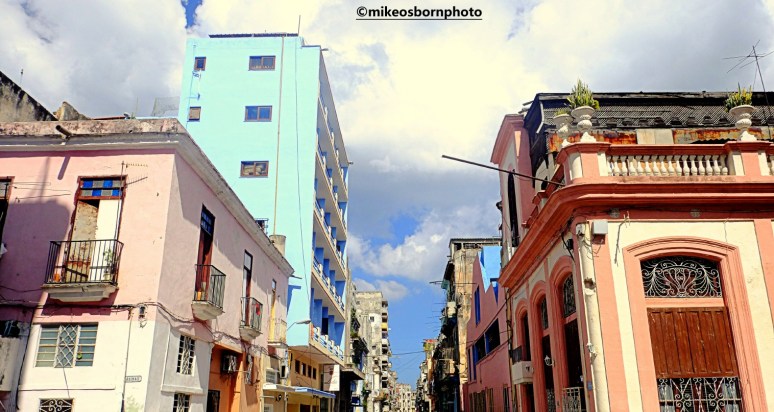
A jumble of multi-coloured buildings in the Cuban capital Havana.


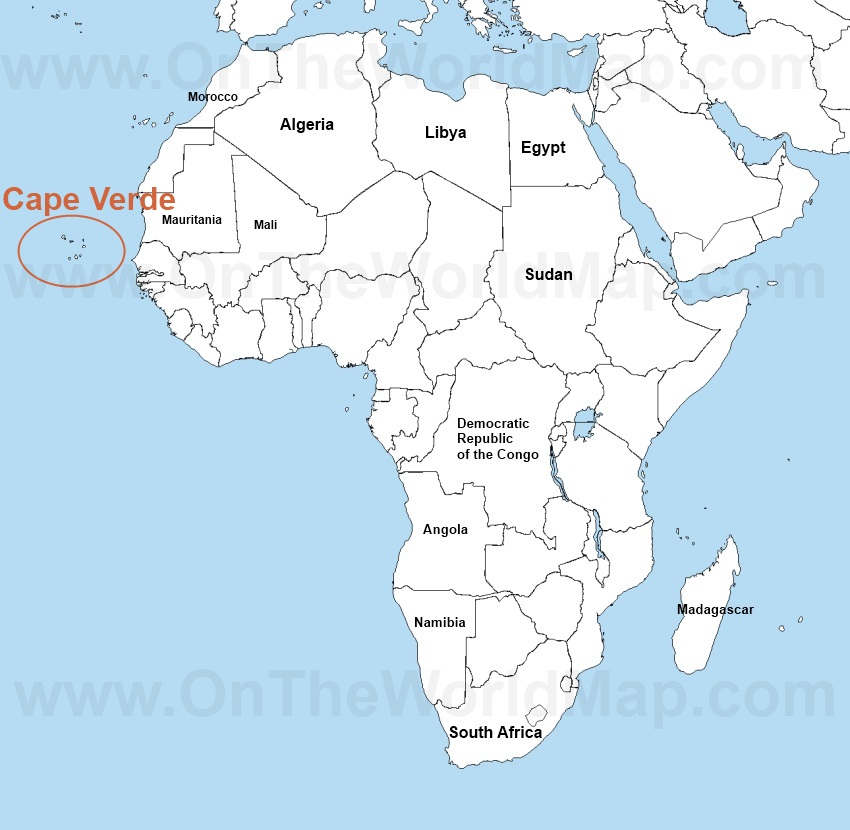
3. CAPE VERDE

Feb/March temperature: 22C

This African island archipelago adrift in the Atlantic Ocean, around six hours flying time from the UK,  boasts a very pleasant all year round climate. The arid islands of Sal and Boa Vista have become popular beach holiday havens. But you can visit the other islands for a different flavour, such as rugged, verdant Santo Antão which is a great place to get your hike on.

Tap/click image to explore the Cape Verde islands
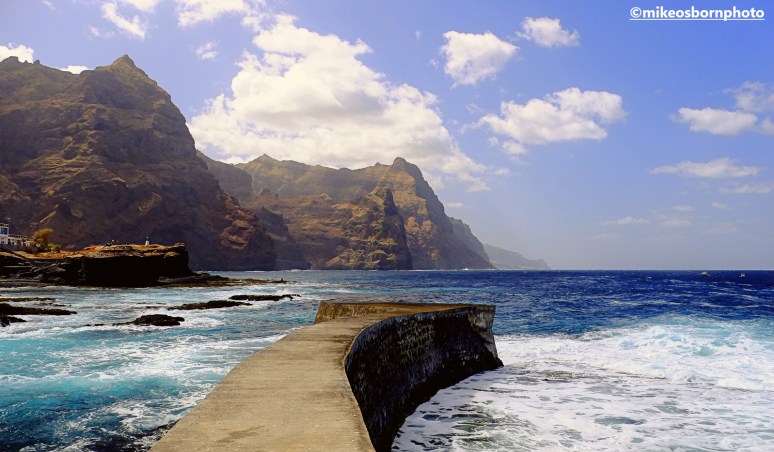
The rugged coastline of the Cape Verdean island of Santo Antão at Ponta do Sol


4. ABU DHABI

Feb/March temperature: 25-28C

The futuristic city of Dubai is a huge draw for winter tourism with a party vibe, but just up the Gulf coast is Abu Dhabi, which is less about staggering skyscrapers, feels more lived in and less of a showcase. It boasts a delightful corniche and sandy beaches, while a visit to the stunning Sheik Zayed Grand Mosque is an absolute must.

Tap/click image to see more of this waterfront city
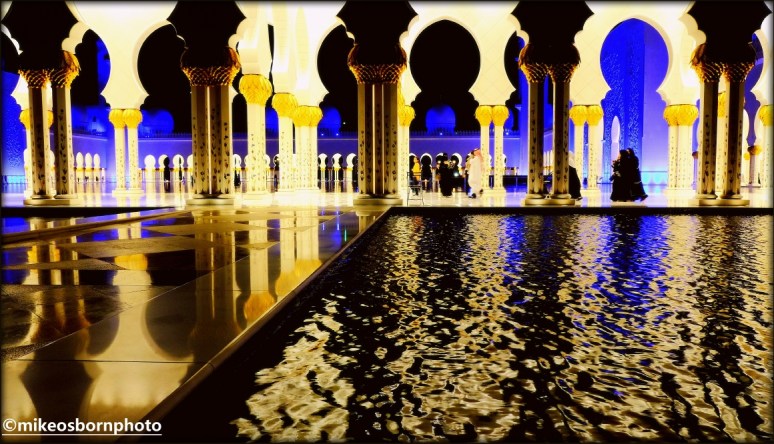
Water and illuminated marble of Sheikh Zayed mosque in Abu Dhabi, seen at night.


5. CAPE TOWN

Feb/March temperature: 25C

One way to virtually guarantee a successful escape from the European winter is to head to the southern hemisphere summer. This South African city is perched on the edge of the continent with invigorating beachscapes and the majestic backdrop of Table Mountain. The multi-coloured district of Bo-Kaap lifts the soul. Cape Town is a great starting point for exploring more of South Africa.

Tap/click image for more on Cape Town
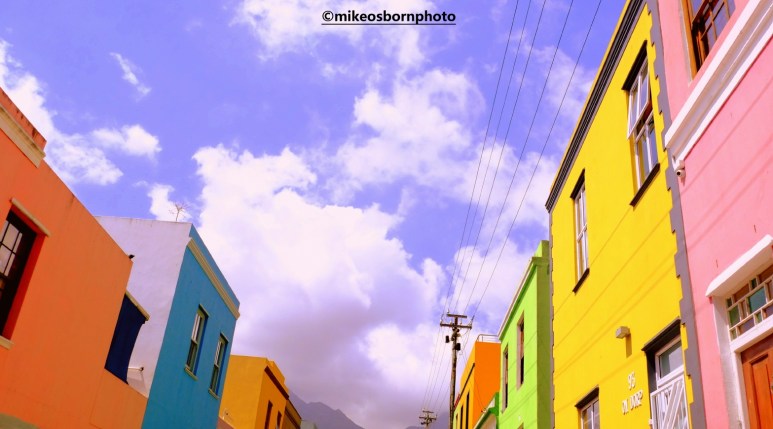
A street of multi-coloured houses in the Cape Town district of Bo-Kaap.

✈️ Do you seek the warm sunshine in winter? If you have any destination suggestions, please leave a comment below. Thank you!


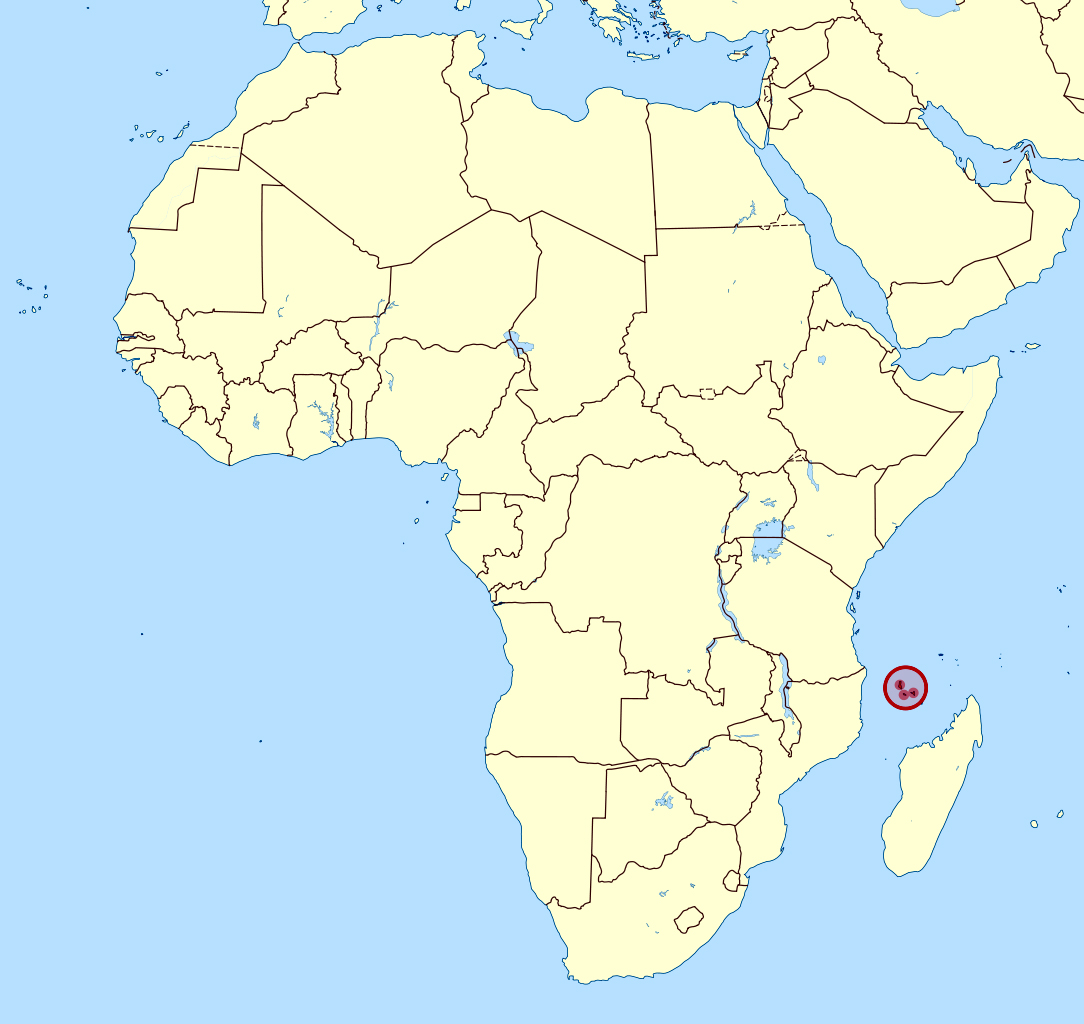
Comoros Islands: Ngazidja

The Comoros Islands. An unheralded destination in the beautiful Indian Ocean.

If you make the journey to this small country, you’ll certainly set foot on Ngazidja – or Grande Comore – the largest and most populous island of this little-known archipelago.

My initial stay on the ‘big island’ was just for a few days before heading by air to smaller siblings Mohéli and Anjouan.  

Did the return trip save the best until last?… CONTINUE READING BELOW


Tap/click first image to see gallery


Arriving at Moroni’s very small airport is an experience – and an indication that the Comoros aren’t used to receiving hordes of tourists. 

But there’s a lot to see on Ngazidja, from the bustling streets and rustic markets of the capital, where you’ll encounter few European visitors and feel you’re really off the beaten track.

The coastline offers undeveloped beaches, dramatic rock formations and stunningly vibrant mangrove lagoons. Further inland there are ancient baobab trees with trunks mighty enough to hide an entire tour group.

If architecture is your bag, be sure to see medinas of old houses and carved doors. There are also ruined sultans’ palaces to see at sunset as the call to prayer rings out and bats cross the sky.

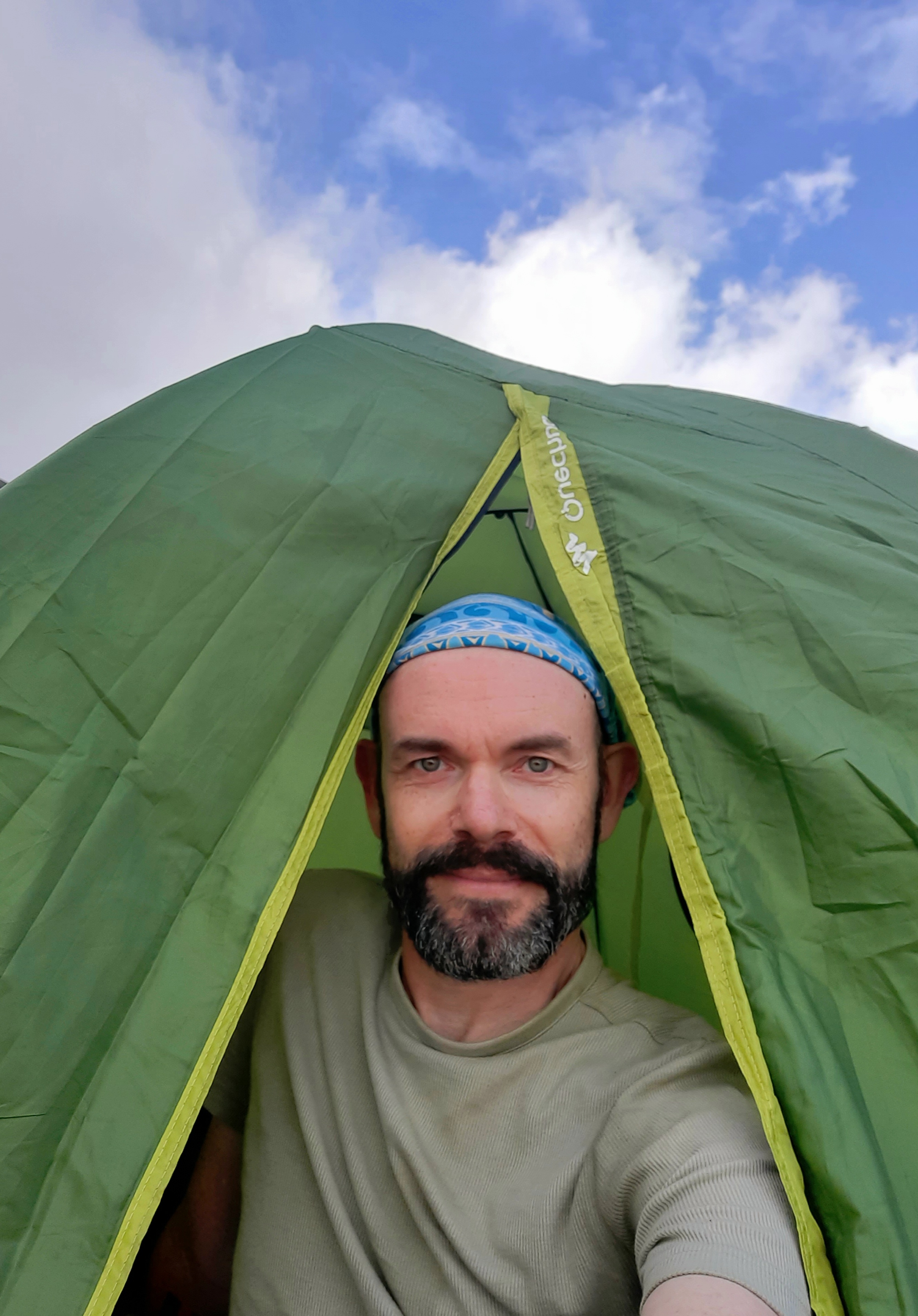
Author Mike Osborn in his tent on a trip to volcano Mount Karthala in the Comoros.

Staying in a tent was an island highlight

Islam holds sway over this island, so there are mosques of all eras to spot.

An inescapable observation about Ngazidja and the Comoros is the presence of litter. With no waste collections, it’s a blight on the landscape.

The same goes for abandoned skeletons of vehicles, sometimes in the middle of otherwise beautiful countryside. This needs to change if the Comoros wants to attract more visitors in the future.

The return to Ngazidja was dominated by one prospect – a trip to Mount Karthala, the island’s dominant volcano which last erupted in 2007.

From a village in the foothills it was a four-hour hike to the crater and back. There was no swirling, fiery cauldron at the top but a vast landscape buried in volcanic matter.

The truly memorable experience was dinner cooked on the fire in the village and spending the night in tents surrounded by lowing cattle and waking up to an atmospheric, misty sunrise.

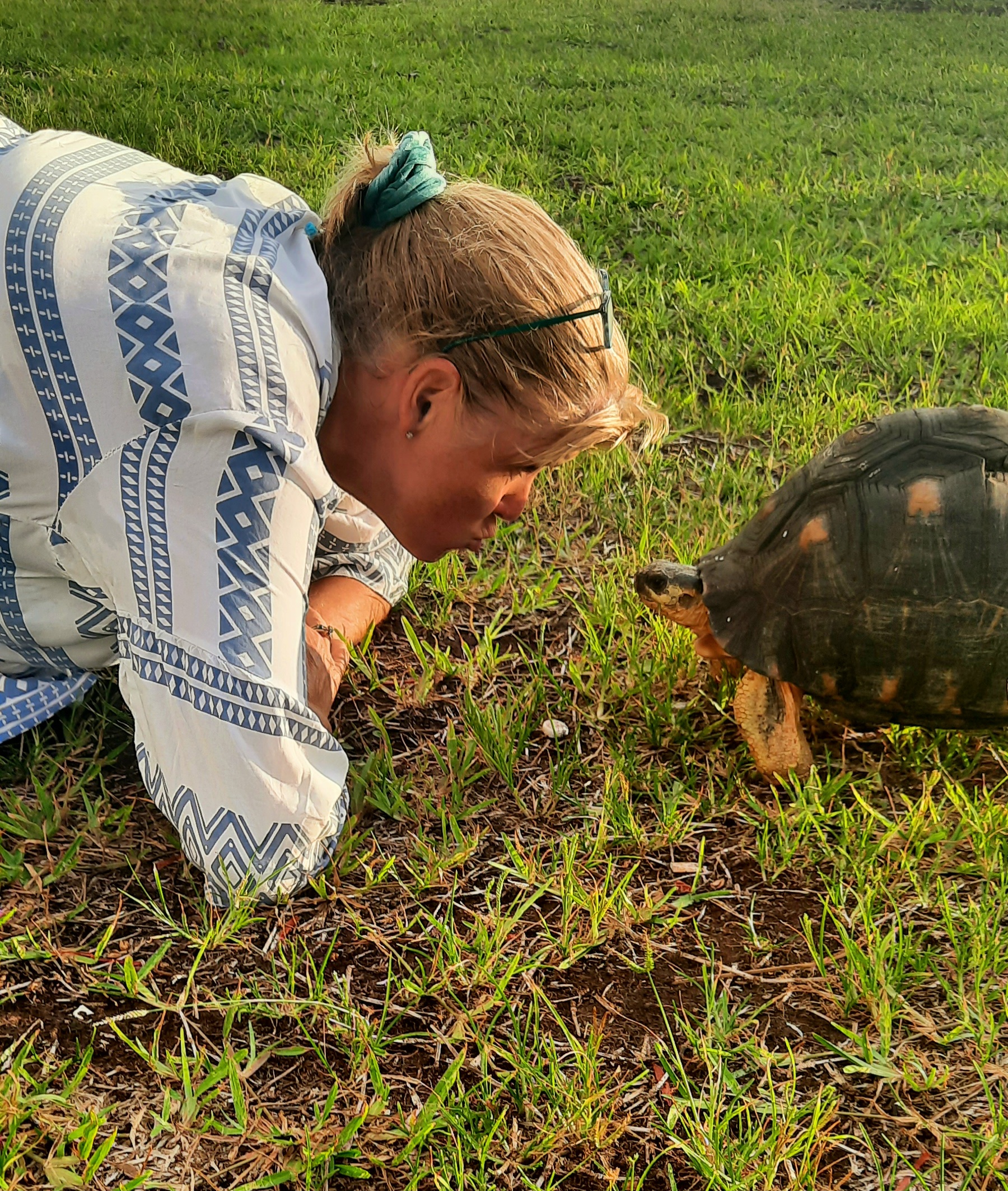
Getting to know the pet tortoises in the Comoros.

Travel buddy Corinna greets a pet tortoise

A night under the stars aside, home for this part of the stay was the Itsandra Beach Hotel and Resort, set by a lovely part of the coast with stunning sunsets and even pet tortoises mooching around the lawn.

It had the first sense of developed tourism but was by no means busy. A comfortable base to prepare for the long, drawn out journey back to the UK but possibly the least authentic version of this yet to be discovered country.

If you’re travelling this far, you have to visit all three Comoros islands. They each have something unique to offer and will appeal to your sense of adventure. There’s only one way to find out… 

  • Would you like to experience the Comoros Islands for yourself? My small group tour was with Undiscovered Destinations and operates twice a year. They also arranged air travel with Ethiopian Airlines, from Manchester to Moroni via Addis Ababa with two further brief stopovers in Geneva and Dar-Es-Salaam. Any further questions, please get in touch.

Comoros Islands: Anjouan

The Comoros Islands. Most people would struggle to locate this country on a map.

This small nation sits in the Indian Ocean between east Africa and north Madagascar. It’s seldom visited, which made me want to visit all the more.

I’ve introduced you to Mohéli, the smallest, wildest of the three islands.

Now it’s welcome to Anjouan, a bustling island with a rebellious streak – but blessed with tropical landscapes. CONTINUE READING BELOW


Tap/click first image to see gallery


Anjouan is best reached by small inter-island aircraft, an experience in itself.

My home was the quaint and rather empty Johanna Livingstone Hotel, decorated in bat motifs and with a terrace perfectly situated to watch some fiery tropical sunsets.

It was situated in a quieter corner of Anjouan’s main city Mutsamudu, with the pretty Al Amal beach a short walk away, where we rare tourists mixed with locals enjoying the refreshing ocean.

A carpet of ylang ylang blossoms drying out before creating oil.

Ylang ylang blossoms are a valuable crop throughout the Comores

The capital city’s old centre is a dense maze of ancient alleyways and many nods to the Comoros Island’s Islamic faith. The array of market stalls and throngs of people going about their business is dizzying.

On the other side of the island sits the city of Domoni, with its own set of narrow little streets and beguiling buildings. 

The city is crowned by a bristle of gold-topped minarets making up an impressive mosque and resting place for this small nation’s first post-independence leader.

Anjouan’s more rural hinterland is filled with lush valleys, hills and rugged coastal spots which in a country more developed for tourism would be an azure-coloured holidaymakers’ playground. 

But it was the urban centres of this island which were truly eye-opening, where European visitors are seldom seen picking their way around the streets.

A place that’s yet to be discovered.

Next time: Grand Comore, this archipelago’s biggest island. But does biggest mean the best?

Link to mikeosbornphoto's Instagram account

Comoros Islands: Mohéli

When it comes to the Indian Ocean, most holidaymakers have heard of the sun-drenched paradises of the Maldives, Seychelles and Mauritius.

How about the Comoros Islands? This small nation, situated between the east African coast and north Madagascar, seems virtually undiscovered – so I had to take a look for myself.

The Islamic country gained its independence from France in 1975 and has had a bumpy political history, so there was a lot to find out.

My trip from Manchester to the Comoros on Ethiopian Airlines consisted of three stopovers until reaching the tiny, chaotic airport outside the capital Moroni.

But let’s start this discovery in Mohéli, the smallest of the three Comores, a place where nature and relaxation hold sway. CONTINUE READING BELOW


Tap/click first image to see gallery


Mohéli is best reached by one of the Comores’ internal airlines Royal Air with its 1960s small plane and a Ukrainian crew. It’s half an hour from the other islands, Grand Comore and Anjouan.

Mohéli has some decent, solid stretches of Chinese-built road which took us to Laka Lodge, a cluster of bungalows set close to a beautiful beach.

Nature is the name of the game here, with trips to visit sea turtles and the vast Livingstone fruit bat. There’s even a group of Mongoose Lemurs who visit every afternoon expecting a feast of bananas.

This is a spot where even this reluctant bather took a dip in the sea, while walks up a lookout hill to witness fantastic, fiery sunsets were obligatory.

With just a small handful of other European guests, it was evident that few travellers have heard of this place let alone decided to make the long trip here.

The lodge was next to the village of Nioumachoua, with the beach playing host to football games and young lads asking to have their photograph taken. 

One evening we heard there were lengthy, lavish wedding celebrations taking place and walked over to witness this spectacle.

It happened to be the night when it was the men’s turn to dance. I went from watching to having a ylang ylang blossom garland and a gold sash placed around my neck and joining in the festivities. A memorable brush with the culture of this small island.

Coming soon: Visits to the larger islands of the seldom visited Comoros archipelago. Is this a country that should become a bucket list staple or left to the more adventurous tourist?

Fuerteventura: Costa Calma

My recent island travels have taken me to São Tomé e Príncipe and Cape Verde, which were all about exploration.

This time I visited Fuerteventura in Spain’s Canary Islands, where the emphasis is on sun, sand and relaxation.

I stayed at Costa Calma in the south-east of the island, settling down to days of hotel buffet meals, lounging around and sunset wanders.

But there was photography too, capturing the essence of this popular destination.

Would you like to kick back and take it easy here?


Tap/click first image to see gallery

Link to more posts about travel on mikeosbornphoto