Tunisia: Island architecture

My trip to Tunisia’s Djerba island was intended as a relaxing sunshine break after the long, chilly British winter.

Instead of lying on the beach I decided to hire a bicycle and see some of Djerba’s sights using pedal power alone.

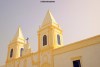
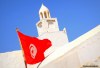
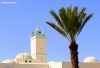
Riding my trusty two-wheeled companion from Djerba Cyclo, I visited a wealth of mosques, saw some of the island’s abandoned buildings and appreciated the architecture of my hotel.

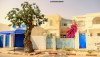
The gleaming combination of whitewash against blue sky was the biggest takeaway from my Tunisian island travels.

Read about my top finds below.


Tap/click first image to see gallery


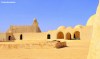
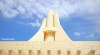
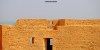
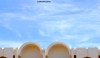
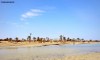
Fadhloun mosque. Built in the 14th century, this mosque had the colour of Saharan sand when I visited. It’s a little eroded with the passage of time and remains a place of worship to this day. Very different to the loftier, more modern mosques of Djerba. Worth the cycle ride!

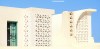
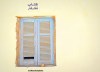
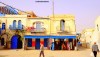
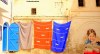
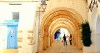
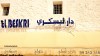
Tunisian windows. This became my obsession in Djerba. They’re typically shielded with ornate metal grilles, often painted blue. Instagrammable? You bet they are.

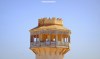
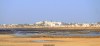
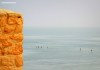
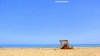
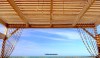
Abandoned architecture. The curious tower along Mehari Beach which may have been a restaurant terrace. And the landmark buildings on the island’s Ras Rmel peninsula, fittingly a nature reserve and home to unspoilt beaches.

Link to mikeosbornphoto's Facebook page

Djerba: A little piece of Tunisia

There’s only one way to escape a long British winter and that’s flying off to warmer climes.

I chose Tunisia as my change of scenery and the island of Djerba in the south of this North African country.

Djerba has been welcoming guests for decades with its Mediterranean shores, golden sands and wealth of hotels.

While relaxing in the sun is on offer, delve a little deeper and you’ll discover Arab culture and the vibrancy of the souk. CONTINUE READING BELOW


Tap/click first image to see gallery

Booking my package trip to Djerba was effortless, with direct flights from Manchester and choosing one of the numerous hotels on offer.

The Iberostar Waves Mehari, with its large premises at the quieter end of Djerba’s north-east coast and close to the beach, looked a good choice.

The gardens were nicely manicured, my room quiet and comfortable, while the buffet restaurant was packed with delicious food at breakfast and dinner.

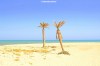
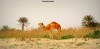
The hotel also has its own stretch of beach – the starting point for me to explore this developed coast. First impressions were that it was a little scruffy, while friendly packs of dogs existed alongside camels and horses that could be hired for rides.

While many holidaymakers choose to relax by the hotel pool, I decided to hire a bicycle thanks to the very friendly service of Djerba Cyclo.

I visited other parts of the island’s coastline on my metal steed and discovered some truly stunning beaches which were practically deserted and bathed in Caribbean colours.

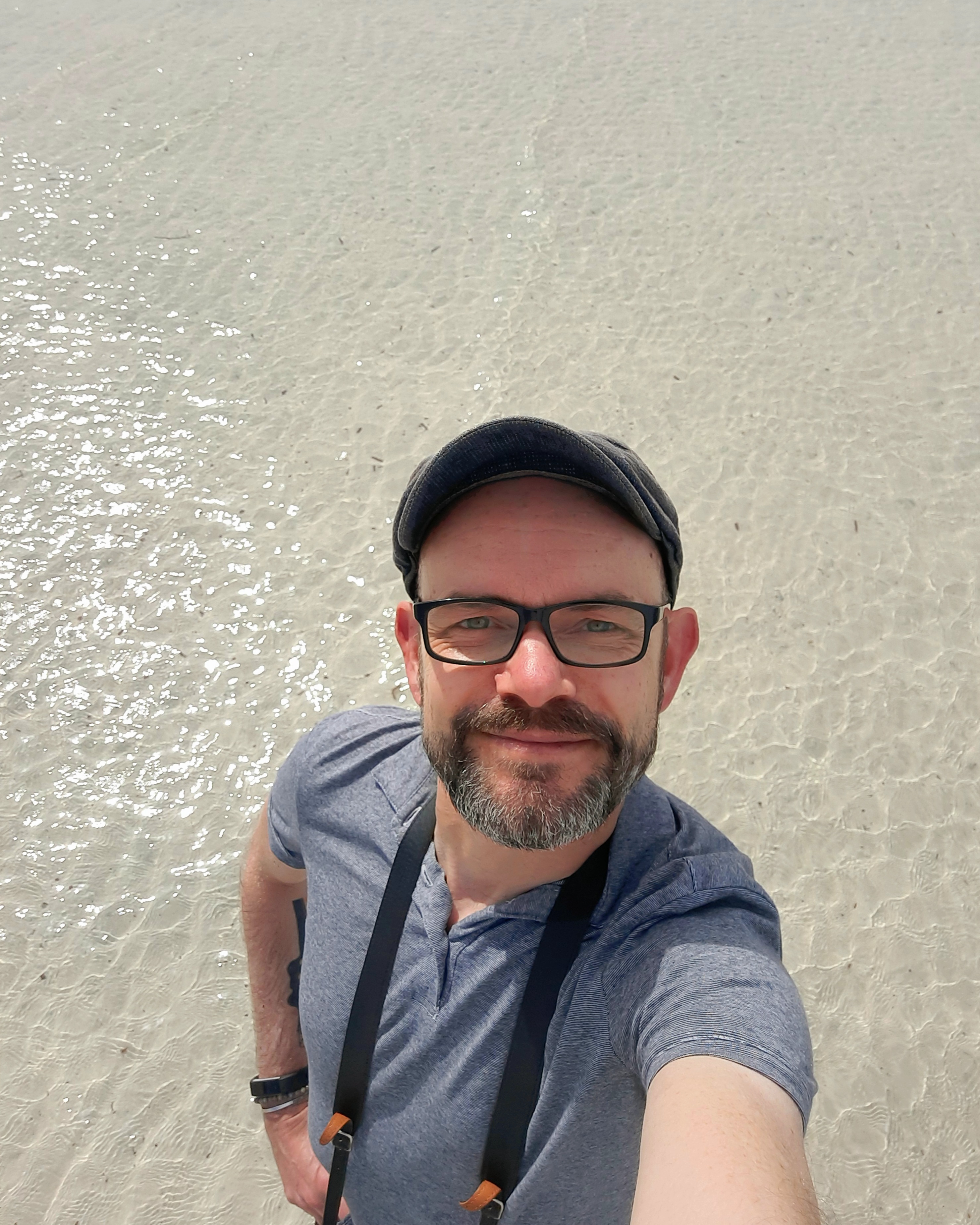
Author Mike Osborn enjoying the cool waters of Djerba in Tunisia.

Djerba is a place to take a paddle

I was intent on visiting Houmt Souk, Djerba’s main town, but swapped bike for very reasonably priced taxi to make the 22km journey each way.

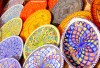
The town’s old souk is captivating with its little winding streets with some shabby facades offering colourful wares.

Yes you’ll be hustled inside shops and given the hard sell, but it’s part of the experience and there’s never an obligation to buy. Use it as an opportunity to speak to Tunisians and find out a little more about them.

It’s also worth walking to the seafront and visiting the Ghazi Mustapha fortress’s solid walls. From the ramparts I noticed bathers paddling in the surprisingly shallow waters.

Djerba. You can visit and never leave your sunbed – the perfect holiday for some people. But it’s worth seeing more of this Tunisian island. Next time: Cycle rides, mosques and Djerban architecture.

Link to more posts about travel on mikeosbornphoto