“I’m going to São Tomé e Príncipe.”
“Where on Earth is that? I’ve never heard of it.”
That was the reaction of all my friends when I told them about my travel plans. I’d picked an obscure holiday destination for the average Brit.
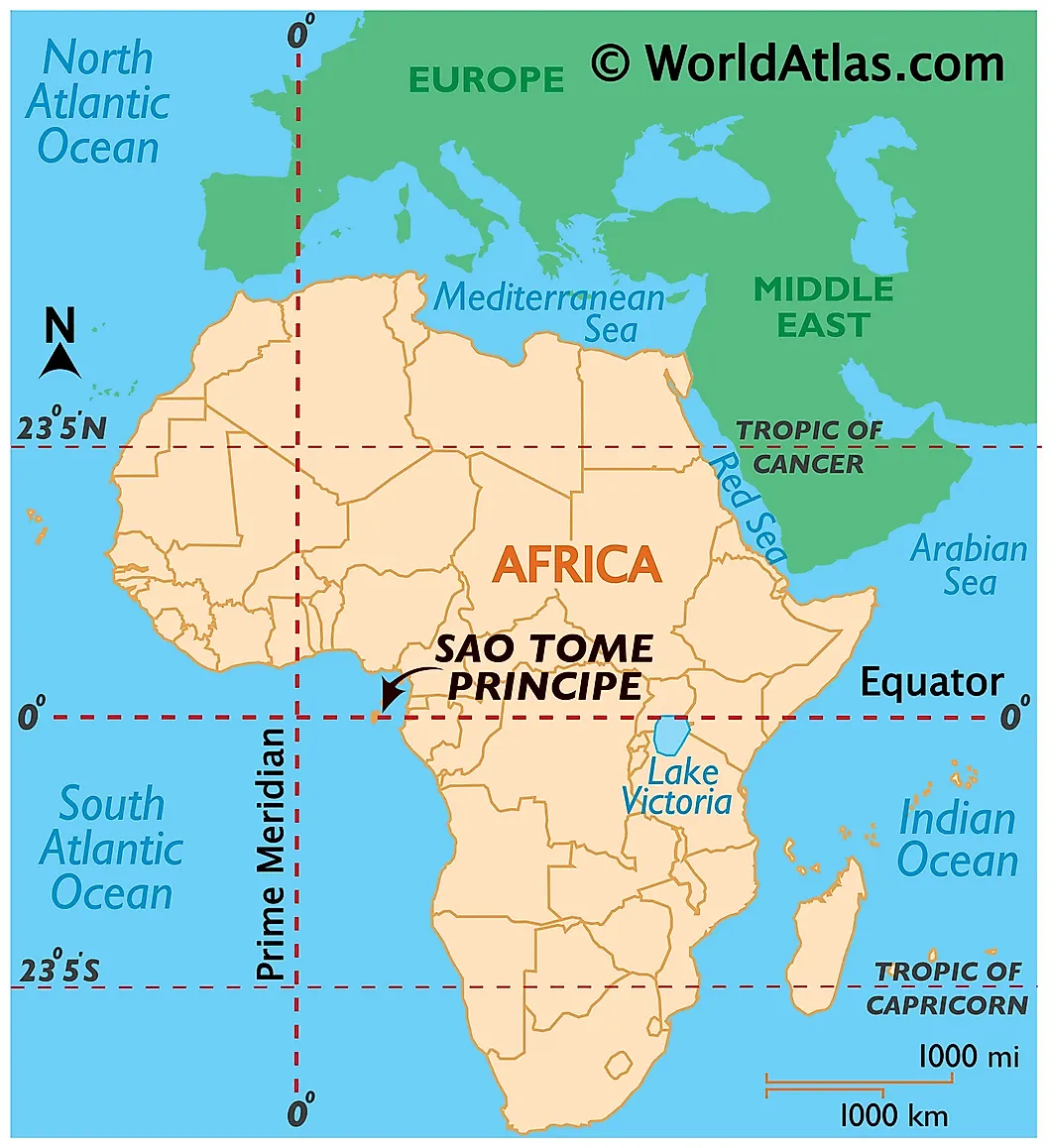
In a nutshell, São Tomé e Príncipe is a small African island nation located in the Gulf of Guinea. The country gained its independence in 1975 after centuries under Portuguese rule.
After a hop from Manchester to Lisbon, it was a six-and-a-half hour flight to the warm equatorial climes of São Tomé, the main island.
So what does this largely unheralded country have to offer? First stop is Príncipe, the much smaller partner with a fraction of the population. CONTINUE READING BELOW
Tap/click first image to view gallery







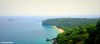









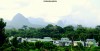
Príncipe is a 40-minute flight in a small passenger plane from São Tomé – or a 14-hour ferry crossing if you’re feeling adventurous or reckless.
The tiny airport is a testament to the island’s remoteness and seclusion, while the good quality road doesn’t last for too long. There’s an abundance of greenery everywhere on this lush, equatorial speck of land.
My home on Príncipe was Roça Sundy, once a plantation owner’s home turned into a small hotel filled with colonial features. Dinner is served on the rear verandah and ceiling fans gently whir throughout. A sumptuous bolthole which I fell in love with.

Roça Sundy. My large, lofty room was to the left of the entrance.
The house is surrounded by old cocoa plantation buildings which have fallen into disrepair. Just a small operation now gathers the raw materials and makes them into high quality chocolate, which tastes out of this world.
It was time to explore Príncipe along with a Roça Sundy guide and driver. Essential stops included the view over Praia Banana, a perfect Desert Island Discs beach framed by turquoise waters and dense forest.
Up in the hills overlooking the Atlantic is another sumptuous plantation property called Belo Monte, exuding luxury for those who make the long journey here.
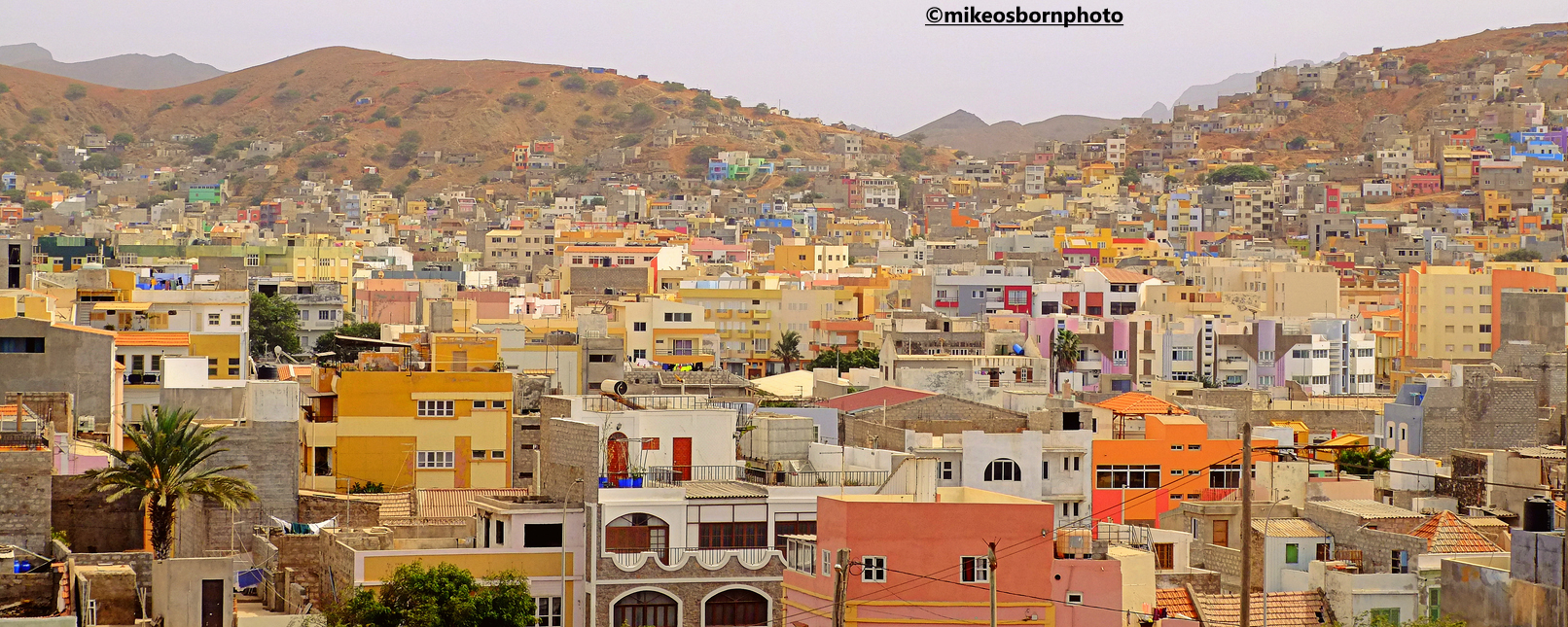
A trip to Santo Antonio, the island’s only city – more of a sleepy, slightly larger village – was a highlight, with its decaying colonial architecture, zany pastel paintwork and languid inhabitants.
The northern half of Prìncipe is where most people live. The southern half is ruggedly mountainous and was declared a Biosphere Reserve a decade ago. The best way to view this spectacular volcanic landscape is by boat in the Bay of Needles, a coastal area studded by pristine little beaches.
Was it worth the long journey to see this little-known territory? Absolutely and I’d recommend it to anyone looking to break with the usual holiday destinations.
Next time: A trip around São Tomé’s main island. Bigger, bolder and busier than little Príncipe with much more to discover from this small nation.