São Tomé: Holiday paradise?

Choosing an unusual holiday destination is a bit of a gamble.

But when a country has relatively few visitors, you hope your efforts will be rewarded with something out of this world (and bragging rights!)

So I journeyed from Manchester to Lisbon to catch a six-and-a-half-hour flight to São Tomé e Príncipe, a small island nation off the African coast.

São Tomé is the largest island with the bulk of the country’s 223,000 inhabitants. The journey from the airport was straight through the capital city at dusk, which hummed with life.

Was it worth going the extra mile to see this island? CONTINUE READING BELOW


Tap/click first image to view gallery


My first lasting impression of São Tomé was one of holiday bungalows set in palm-fringed grounds, with a private beach and pool area close by.

Club Santana seemed geared up to European visitors who could happily wile away a fortnight relaxing in the winter sun – and I tapped into that vibe.

But this was also my base to begin exploring the island, which I did courtesy of guide Diego and a driver.

The eastern side of São Tomé is pierced with coastal highlights including the lively Mouth of Hell and broad sandy beaches.

This was also my first taste of the country’s roças. These grand estates were built by the Portuguese during their centuries of rule to exploit São Tomé’s cocoa resources.

Since independence in 1975 the roças have fallen into disrepair, but families are still living in the dilapidated buildings and struggling to make a living. It’s ironic that these colonial throwbacks are now very much on the tourist trail.

A bungalow at the Mucumbli lodge on the island of São Tomé.

My Mucumbli bungalow was surrounded by lush tropical greenery

I visited Roça São João which has been turned into a small hotel and is famous for its multi-course tasting menu. Maybe this is the future for São Tomé’s dessicating colonial leftovers.

There had to be a trip to São Tomé’s capital city, where I was drawn to some crumbling but boldly painted architecture.

It has the chaotic verve of any African city with people going about their daily business under tropical humidity. It’s a lot and you need to keep your wits about you.

I left São Tomé for a number of days to stay on its tranquil smaller sibling Príncipe, returning to a new home and a different set of experiences.

Mucumbli lodge is on the west coast of the island, a verdant oasis with views over the ocean. I had my own bungalow again, with rustic furnishings and a peaceful terrace facing the trees and Atlantic.

Activities here were more energetic, including a hike around the island’s Lagoa Amelia, a rich area of cultivated terraces and dense rainforest.

Seven hours and many slippery paths later, I was proud to have made it and needed a very long shower back at Mucumbli and one of their beautifully cooked, tasty dinners.

Is São Tomé worth the journey?

So did my São Tomé gamble pay off and is it the holiday paradise we haven’t yet discovered?

Well if you want a very exotic couple of weeks basking in the sunshine, that’s possible. The island has some well established accommodation to suit languid Europeans. The quality of food and level of service is impressive.

But there’s so much more this country has to offer, with beautiful landscapes, stunning nature and a compelling history. You’d be missing out if you didn’t venture beyond your relaxing compound.

A word of warning, however. English has only been taught in high schools since 2019 and São Tomé is only used to relatively small numbers of visitors. But well worth considering before tourism really takes over these little islands.

My trip to São Tomé e Príncipe was organised by Archipelago Choice, a small specialist travel agency based here in northern England. International flights to the islands were with Air Portugal and inter-island flights with STP Airways.

Link to more posts about travel on mikeosbornphoto

Príncipe: African island gem

“I’m going to São Tomé e Príncipe.”

“Where on Earth is that? I’ve never heard of it.”

That was the reaction of all my friends when I told them about my travel plans. I’d picked an obscure holiday destination for the average Brit.

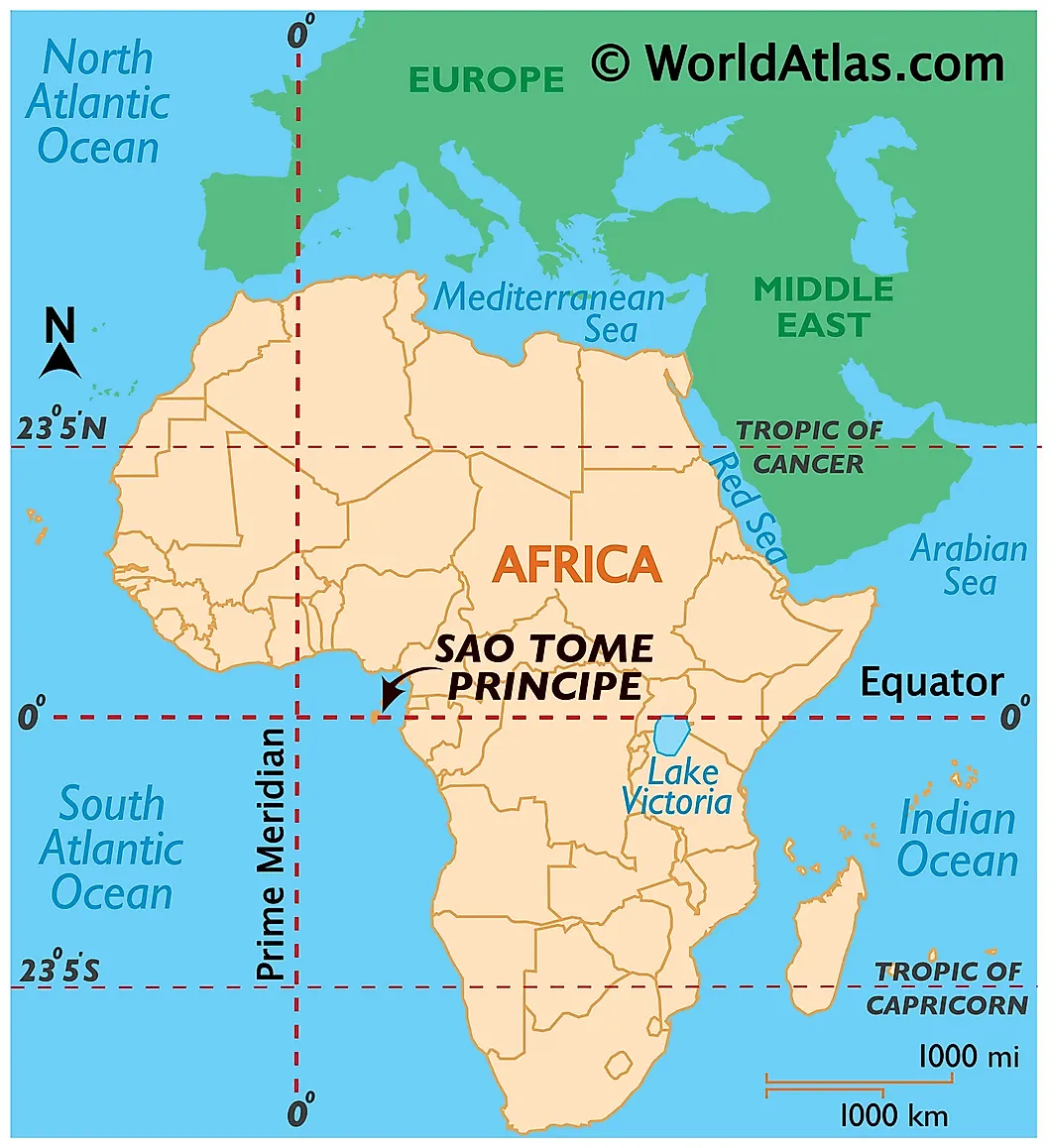
In a nutshell, São Tomé e Príncipe is a small African island nation located in the Gulf of Guinea. The country gained its independence in 1975 after centuries under Portuguese rule.

After a hop from Manchester to Lisbon, it was a six-and-a-half hour flight to the warm equatorial climes of São Tomé, the main island.

So what does this largely unheralded country have to offer? First stop is Príncipe, the much smaller partner with a fraction of the population. CONTINUE READING BELOW


Tap/click first image to view gallery


Príncipe is a 40-minute flight in a small passenger plane from São Tomé – or a 14-hour ferry crossing if you’re feeling adventurous or reckless.

The tiny airport is a testament to the island’s remoteness and seclusion, while the good quality road doesn’t last for too long. There’s an abundance of greenery everywhere on this lush, equatorial speck of land.

My home on Príncipe was Roça Sundy, once a plantation owner’s home turned into a small hotel filled with colonial features. Dinner is served on the rear verandah and ceiling fans gently whir throughout. A sumptuous bolthole which I fell in love with.

The front entrance of Roça Sundy, a former plantation house turned into a hotel.

Roça Sundy. My large, lofty room was to the left of the entrance.

The house is surrounded by old cocoa plantation buildings which have fallen into disrepair. Just a small operation now gathers the raw materials and makes them into high quality chocolate, which tastes out of this world.

It was time to explore Príncipe along with a Roça Sundy guide and driver. Essential stops included the view over Praia Banana, a perfect Desert Island Discs beach framed by turquoise waters and dense forest.

Up in the hills overlooking the Atlantic is another sumptuous plantation property called Belo Monte, exuding luxury for those who make the long journey here.

A trip to Santo Antonio, the island’s only city  – more of a sleepy, slightly larger village – was a highlight, with its decaying colonial architecture, zany pastel paintwork and languid inhabitants. 

The northern half of Prìncipe is where most people live. The southern half is ruggedly mountainous and was declared a Biosphere Reserve a decade ago. The best way to view this spectacular volcanic landscape is by boat in the Bay of Needles, a coastal area studded by pristine little beaches.

Was it worth the long journey to see this little-known territory? Absolutely and I’d recommend it to anyone looking to break with the usual holiday destinations. 

Next time: A trip around São Tomé’s main island. Bigger, bolder and busier than little Príncipe with much more to discover from this small nation.

Link to mikeosbornphoto's Instagram account

Cape Verde: Santo Antão

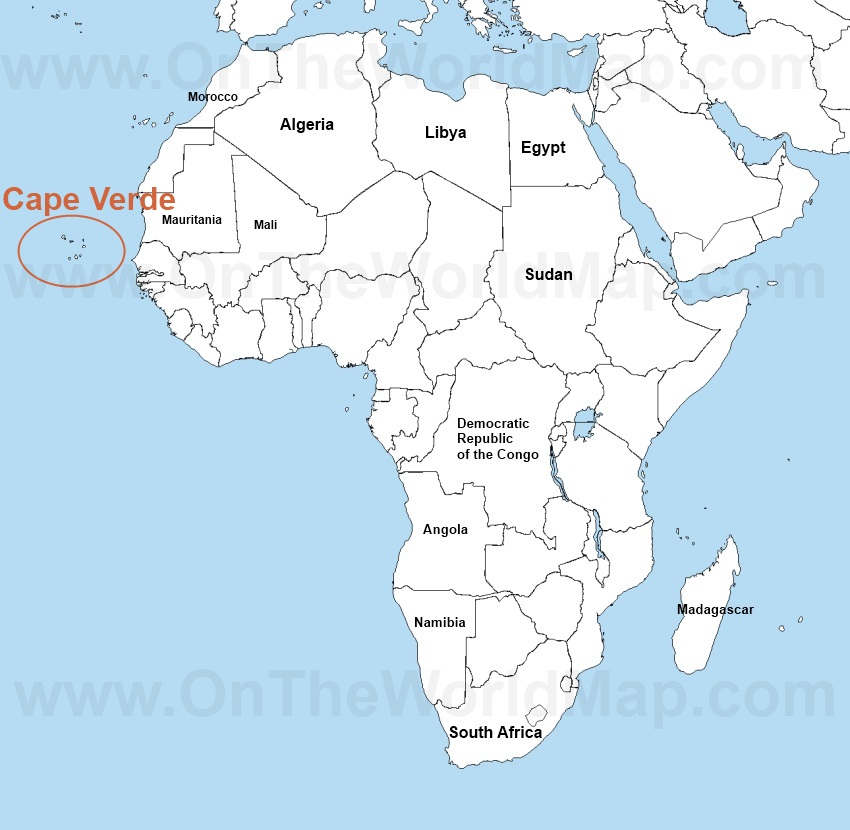
I returned to international travel after a three-year hiatus with a trip to the Cape Verde islands.

My first stop was Santiago, seat of the country’s capital Praia. I then hopped to volcanic Fogo before moving north to São Vicente and the colourful city of Mindelo.

Lastly was a ferry crossing to Santo Antão, an island of rugged mountains and Cape Verde’s greenest valleys. Did I save the best until last? READ MORE BELOW


Tap/click first image to view gallery


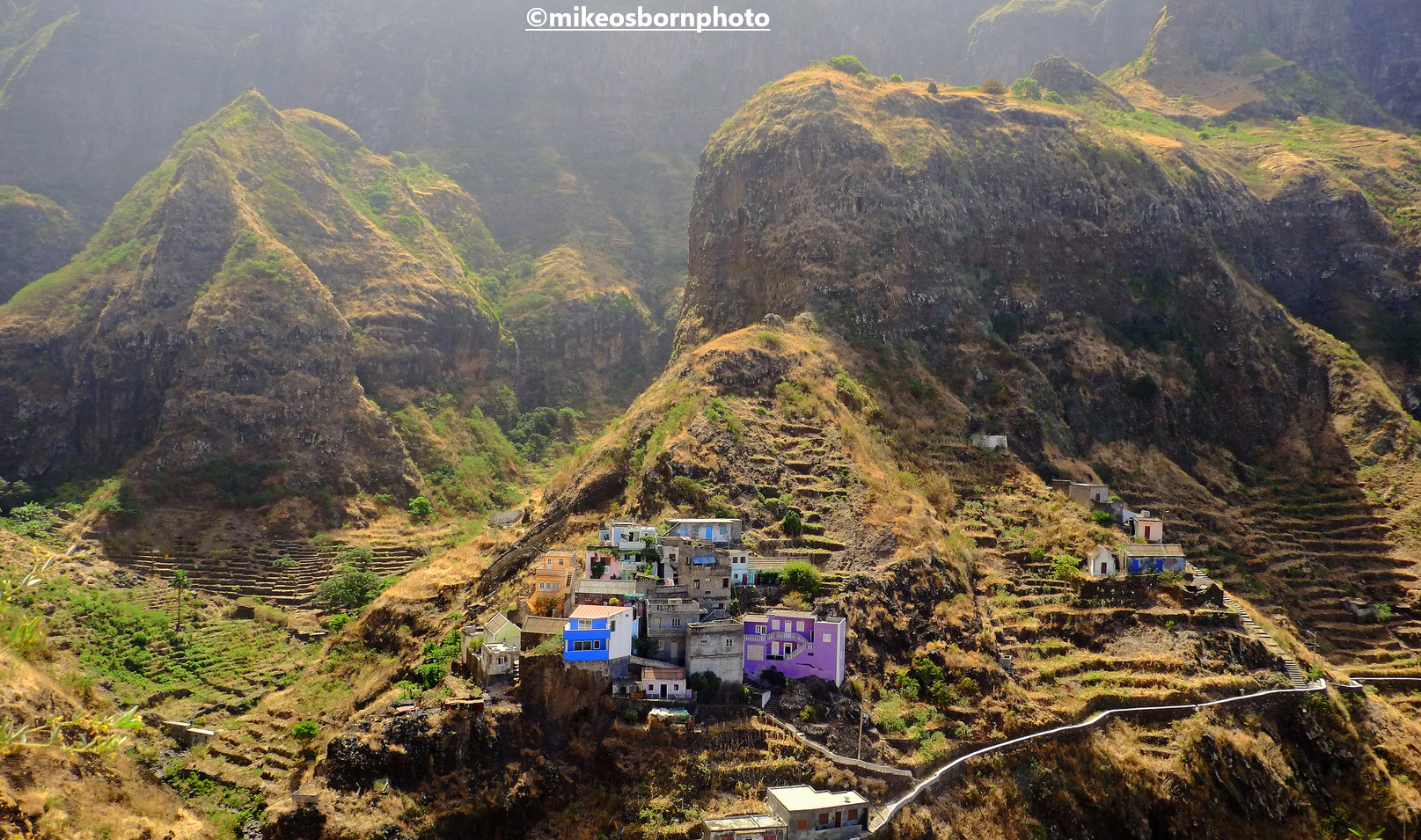
Without an airport, Santo Antão feels less connected to Cape Verde’s other islands.

It’s more sparsely populated and a land where towering peaks and the Atlantic Ocean crashing against its craggy coastline prevail. 

Colourful little villages cling to the mountainsides, including unmissable Fontainhas which has even been feted by National Geographic magazine.

But there’s a flipside to Santo Antão’s dramatic cragginess. The Paul Valley is the greenest place in Cape Verde, with its own abundant water source supporting crops and lush vegetation. It’s a memorable place to hike, dotted with rustic homesteads.

Life can be hard here, but to the outsider it appears peaceful, simple and idyllic.

It would be fair to say that like many other visitors to Santo Antão, I was bowled over by its beauty and relative remoteness, unique to the Cape Verde islands I spent time in. It has to be on your itinerary – but please don’t go all at the same time!

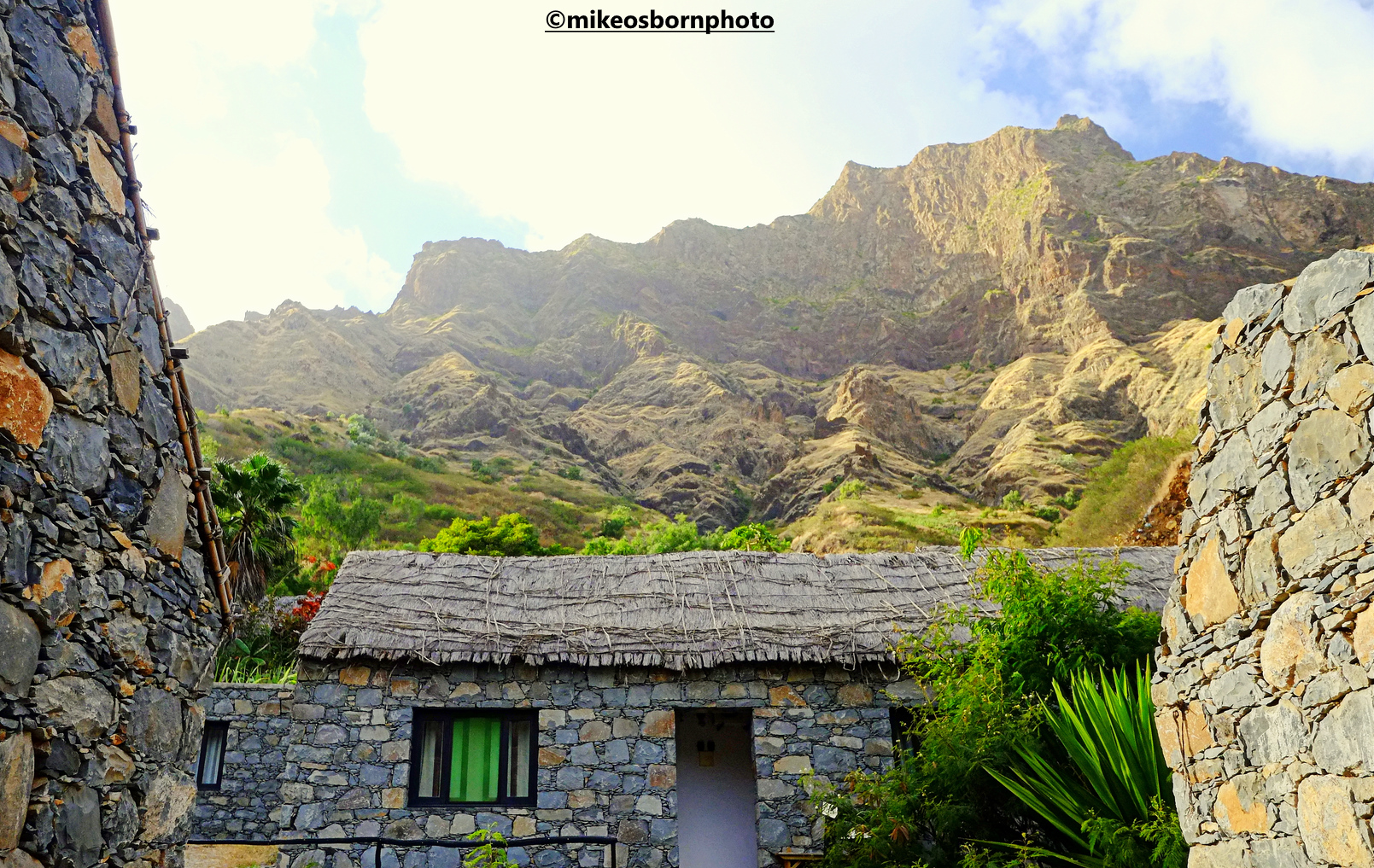
I stayed at Pedracin Village with rooms built in the style of Santo Antão cottages (mine is pictured above!) Surrounded by mountains on all sides, this was a quiet place to marvel at the landscape and experience the island’s very relaxed vibe.

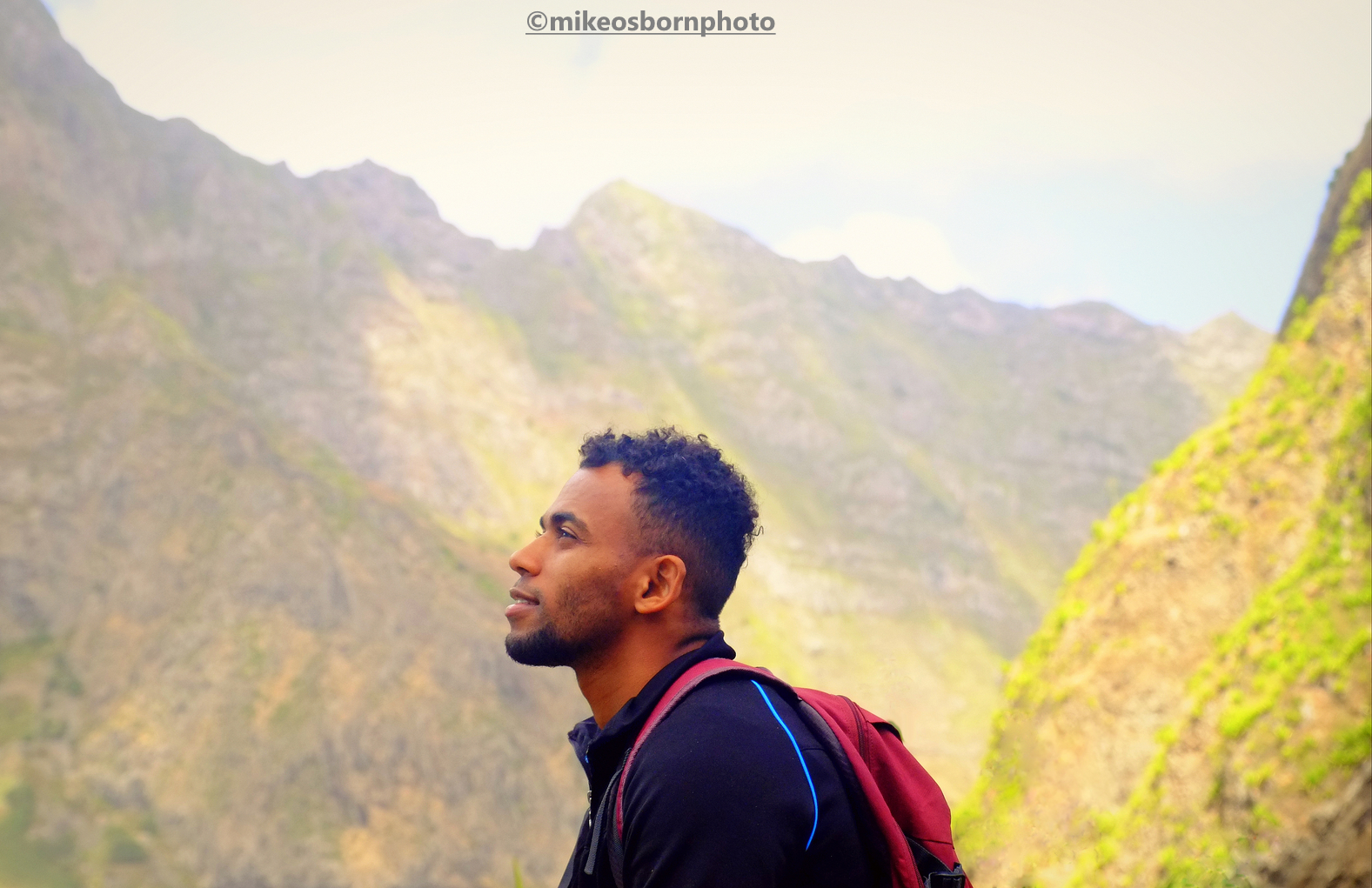
A good tour guide can make your visit. This is Samuel Rocha, from Santo Antão and a proud Cape Verdean. He showed me the unique character of his island and did it with enthusiasm and good humour. Samuel was my hike buddy on a trail around the beautiful Paul Valley, which was quite strenuous but a truly memorable experience.

I booked my Cape Verde trip with island specialists Archipelago Choice, a small company based in Cumbria, UK. It was a bespoke tour for one based on their Highlights of Cape Verde holiday. Vista Verde Tours took care of my transport and excursions while I was on the islands. I flew from Manchester to Cape Verde via Lisbon with TAP Air Portugal.

Link to mikeosbornphoto's Facebook page

Cape Verde: São Vicente

My trip around the Cape Verde archipelago started on Santiago, the largest island, followed by a hop to Fogo and its active volcano.

Next was another local plane journey to the islands’ northern flank and a stay on São Vicente.

This is an island of huge contrasts, with a bustling city and some empty, arid landscapes to explore. Is São Vicente worth visiting?… READ MORE BELOW


Tap/click first image to view gallery


The city of Mindelo is arguably the heart and soul of Cape Verde, even if the seat of government is Praia on Santiago.

It sits handsomely on a large bay and is a patchwork of colourful streets that I could have explored and photographed for many more days. 

The place comes to life in the late evenings with live music in bars, restaurants and on the streets. Mindelo was home to legendary singer Cesaria Evora, who gained international fame and is held in high esteem by Cape Verdeans.

This city is full of life and vibrancy which was a welcome escape from the cold and dismal European winter.

It’s an easy walk to sandy Laginha Beach, with views across to Santo Antão island and the promise of some stunning sunsets, while you should visit the fish market further along the bay.

As for the rest of São Vicente, it couldn’t be more different. It’s lofty, arid and sparsely populated with some wild beaches and dunes. I took a jeep tour which was bumpy, dusty but enjoyable.

The pull of Mindelo is irresistible, but it’s worth seeing the other side of São Vicente and its lost landscapes.

The next stop is the fourth and final island of Cape Verde I visited on my trip. Did I save the best for last? Keep your eyes peeled for the next post…

Kira's Boutique Hotel in Mindelo, Cape Verde

Kira’s Boutique Hotel, Mindelo

My base in Mindelo was Kira’s Boutique Hotel, consisting of just 10 rooms named after Cape Verde’s islands. Comfortable, with very friendly staff, a lovely rear terrace and within easy walking distance of the city centre. Fittingly, I stayed in the room named after São Vicente!

Link to mikeosbornphoto's Instagram account

Cape Verde: Fogo

My memorable trip to the Cape Verde archipelago started in Santiago, the main and most populous island.

The next stop, Fogo, was a short 25-minute plane hop away, just enough time for water to be served to passengers.

This small isle is dominated by the cone of Pico de Fogo, an active volcano which last erupted in 2014. But is that all there is to see? READ MORE BELOW


Tap/click first image to view gallery


Fogo’s volcano is clearly a huge draw to visitors. Its surrounding lunar landscape, which I hiked around for hours, seems out of place on a small island.

It’s easy to trace lava tracks from previous eruptions, while the village of Portela still bears scars from 2014. It’s being rebuilt despite sitting in the volcano’s shadow.

But Fogo has more to offer, including its main town São Filipe which gently cascades down to a large beach of pitch black volcanic sand.

My base in São Filipe was Melissa’s Guest House with its small but perfectly formed infinity pool and a terrace with views down the hill to the unmissable blue church and across the ocean.

The town has a wonderful mix of colourful, sometimes tumbledown Cape Verdean architecture and has its own bustling produce market like every town across the archipelago.

Evening walks around the town are relaxed and inevitably lead to watching the sun set behind the neighbouring island of Brava before seeking solace in one of the bars or restaurants. I was totally charmed by this little island capital.

Other places well worth seeing in Fogo are an invigorating stretch of coastline around the town of Mosteiros and the arches and rocks at Ponta da Salina. Coffee and bananas grow in the lush uplands around Cutelo Alto – perfect for a sub-tropical stroll.

Fogo feels a world apart from bigger neighbour Santiago, while my next stop in Cape Verde would reveal another face of this small nation. Stay tuned!

Link to mikeosbornphoto's Facebook page