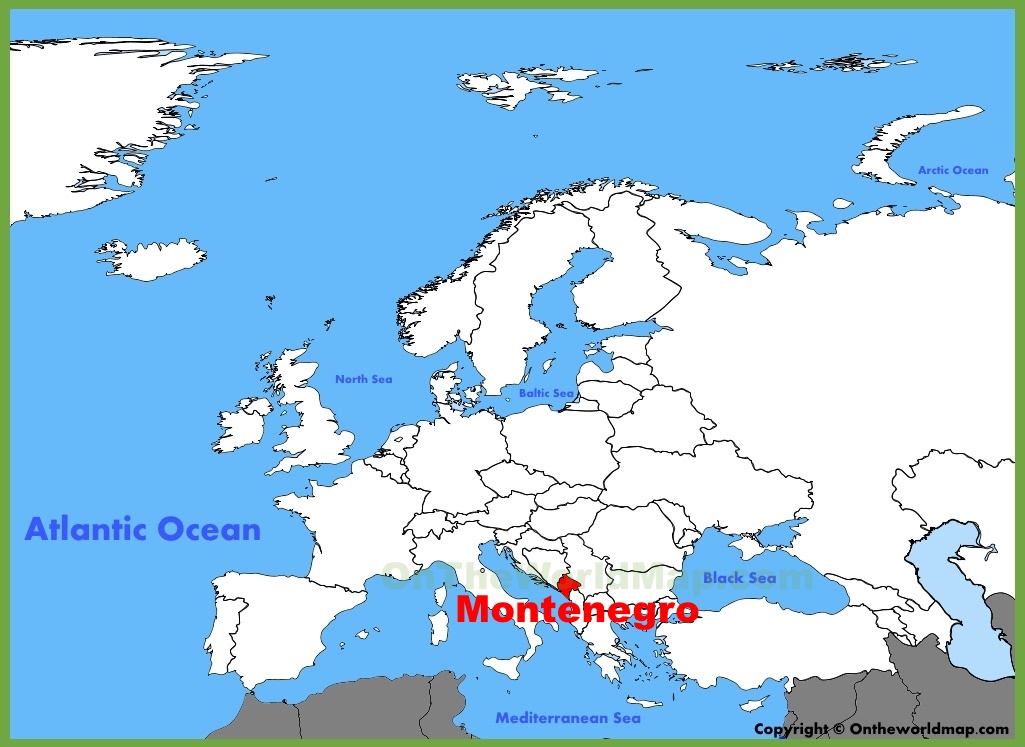
Montenegro: Rugged and wild

Do you find it difficult to relax on a sunbed for an entire week?

When I stayed in the charming Montenegrin town of Perast, I was eager to travel instead of taking it easy.

So I booked a day trip with 360 Monte to visit the north of Montenegro and see some stunning landscapes. CONTINUE READING BELOW


Tap/click first image to view gallery


I was picked up early in the morning to join a small multi-national group also keen to see the north of Montenegro, a contrast to the sunshine resorts of Kotor Bay and the Adriatic coast.

The first delight was climbing high above Perast for stunning views of the water below and soaring mountains bathed in beautiful morning light.

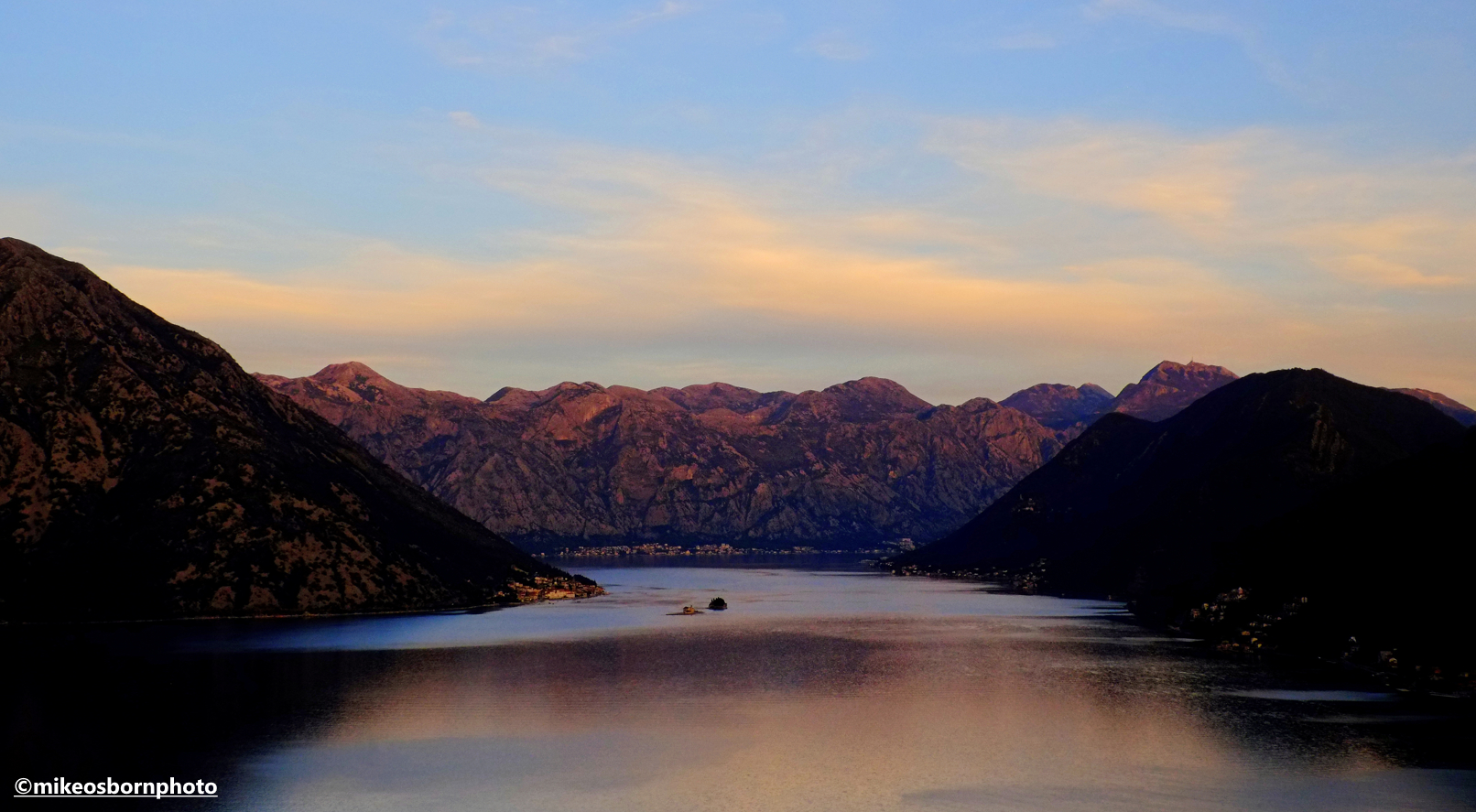
A view over Kotor Bay in Montenegro as dusk settles.

A view of Kotor Bay at the end of the day

The journey north was at times slow and on winding, lofty roads. Here are the highlights of north Montenegro that I saw:

Ostrog Monastery – A religious compound cradled in the mountains, dedicated to Saint Basil who is buried there. It’s a place of Orthodox devotion where his relics are kept in a tiny chapel. This was like entering another world far removed from my own.

Black Lake – Its waters are blue and fringed by pine forests and mountains in Durmitor National Park. A really impressive slice of nature.

Tara Canyon – The dazzlingly blue waters of the Tara River pass through this deep gorge. For engineering lovers there’s the vast Tara Bridge to cross. I decided against riding a zip wire over the gorge.

Salt Lake – An artificial body of water dotted with little islands near the city of Niksic. The lake looks steely blue if the skies are clear.

This was a long day on the road and there was one last treat on the way back to Perast – another view across Kotor Bay as a golden dusk was bedding in. 

For a small country, Montenegro has more than its fair share of natural beauty, well worth seeing if you can tear yourself away from your sun lounger.

Link to mikeosbornphoto's Instagram account

São Tomé snapshots

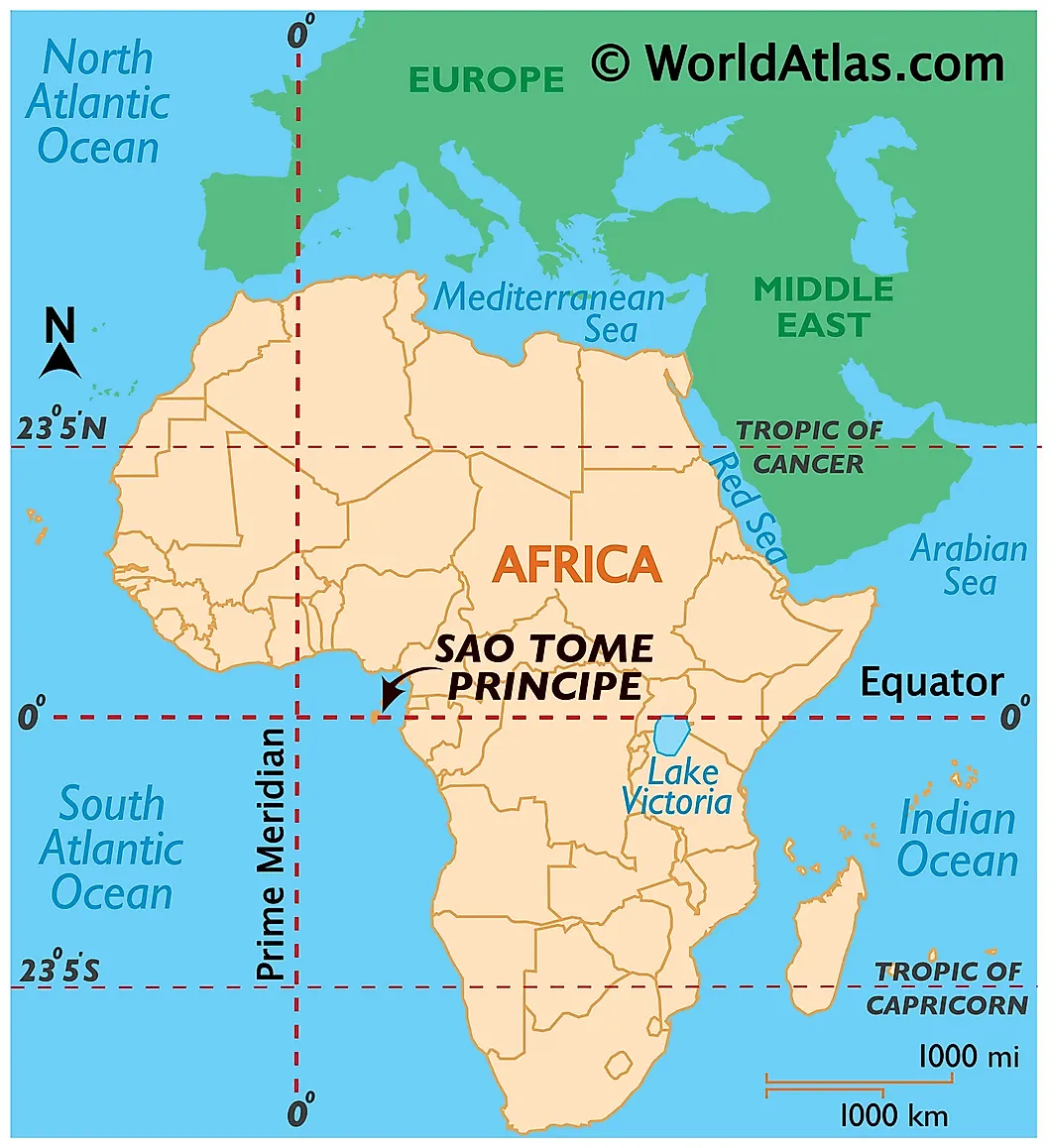
The small, little-known African island nation of São Tomé e Príncipe is a place worth visiting.

My smartphone came along for the ride with my camera and played its part too, even though I’ve been reluctant to make use of its photo-taking abilities.

These portrait format phone snaps are less disciplined and capture some little instant details – and the occasional selfie.

Visit my São Tomé and Príncipe pages to find out more about these warm, engaging islands. Any travel questions? Feel free to leave a comment below.


Tap/click first image to view gallery

Link to more posts about travel on mikeosbornphoto

São Tomé: Holiday paradise?

Choosing an unusual holiday destination is a bit of a gamble.

But when a country has relatively few visitors, you hope your efforts will be rewarded with something out of this world (and bragging rights!)

So I journeyed from Manchester to Lisbon to catch a six-and-a-half-hour flight to São Tomé e Príncipe, a small island nation off the African coast.

São Tomé is the largest island with the bulk of the country’s 223,000 inhabitants. The journey from the airport was straight through the capital city at dusk, which hummed with life.

Was it worth going the extra mile to see this island? CONTINUE READING BELOW


Tap/click first image to view gallery


My first lasting impression of São Tomé was one of holiday bungalows set in palm-fringed grounds, with a private beach and pool area close by.

Club Santana seemed geared up to European visitors who could happily wile away a fortnight relaxing in the winter sun – and I tapped into that vibe.

But this was also my base to begin exploring the island, which I did courtesy of guide Diego and a driver.

The eastern side of São Tomé is pierced with coastal highlights including the lively Mouth of Hell and broad sandy beaches.

This was also my first taste of the country’s roças. These grand estates were built by the Portuguese during their centuries of rule to exploit São Tomé’s cocoa resources.

Since independence in 1975 the roças have fallen into disrepair, but families are still living in the dilapidated buildings and struggling to make a living. It’s ironic that these colonial throwbacks are now very much on the tourist trail.
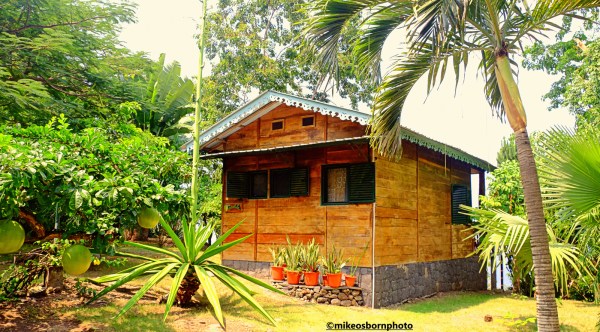
A bungalow at the Mucumbli lodge on the island of São Tomé.

My Mucumbli bungalow was surrounded by lush tropical greenery

I visited Roça São João which has been turned into a small hotel and is famous for its multi-course tasting menu. Maybe this is the future for São Tomé’s dessicating colonial leftovers.

There had to be a trip to São Tomé’s capital city, where I was drawn to some crumbling but boldly painted architecture.

It has the chaotic verve of any African city with people going about their daily business under tropical humidity. It’s a lot and you need to keep your wits about you.

I left São Tomé for a number of days to stay on its tranquil smaller sibling Príncipe, returning to a new home and a different set of experiences.

Mucumbli lodge is on the west coast of the island, a verdant oasis with views over the ocean. I had my own bungalow again, with rustic furnishings and a peaceful terrace facing the trees and Atlantic.

Activities here were more energetic, including a hike around the island’s Lagoa Amelia, a rich area of cultivated terraces and dense rainforest.

Seven hours and many slippery paths later, I was proud to have made it and needed a very long shower back at Mucumbli and one of their beautifully cooked, tasty dinners.

Is São Tomé worth the journey?

So did my São Tomé gamble pay off and is it the holiday paradise we haven’t yet discovered?

Well if you want a very exotic couple of weeks basking in the sunshine, that’s possible. The island has some well established accommodation to suit languid Europeans. The quality of food and level of service is impressive.

But there’s so much more this country has to offer, with beautiful landscapes, stunning nature and a compelling history. You’d be missing out if you didn’t venture beyond your relaxing compound.

A word of warning, however. English has only been taught in high schools since 2019 and São Tomé is only used to relatively small numbers of visitors. But well worth considering before tourism really takes over these little islands.

My trip to São Tomé e Príncipe was organised by Archipelago Choice, a small specialist travel agency based here in northern England. International flights to the islands were with Air Portugal and inter-island flights with STP Airways.

Link to more posts about travel on mikeosbornphoto

Southport: A day of two halves

Here in the UK, if the weather forecast for the next day is good, you make plans.

On this particular occasion I decided to travel from Manchester to the seaside resort of Southport for some sunshine.

It looked like the forecasters had got it wrong. Heavy clouds and the threat of rain made the Mersey coastal town look dramatic rather than calm.

But a fish and chip lunch later, the clouds shifted to make way for beautiful blue skies and had me scurrying back to Southport’s expansive beach and lengthy pier. There’s always hope even in the north of England!


Tap/click first image to view gallery

Link to mikeosbornphoto's Instagram account

Cape Verde: Santo Antão

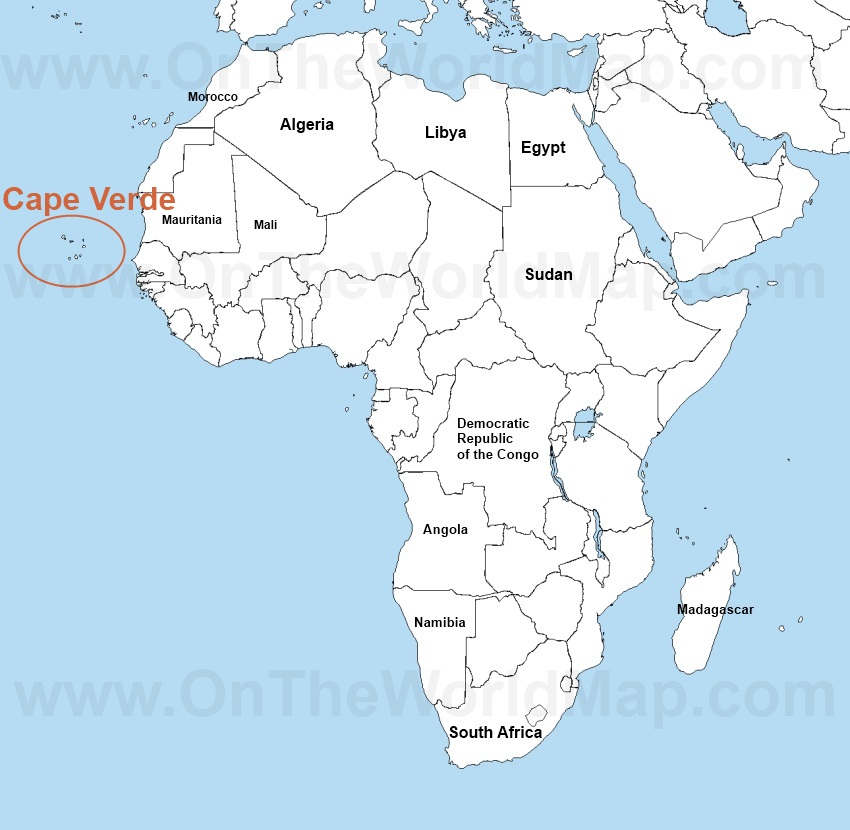
I returned to international travel after a three-year hiatus with a trip to the Cape Verde islands.

My first stop was Santiago, seat of the country’s capital Praia. I then hopped to volcanic Fogo before moving north to São Vicente and the colourful city of Mindelo.

Lastly was a ferry crossing to Santo Antão, an island of rugged mountains and Cape Verde’s greenest valleys. Did I save the best until last? READ MORE BELOW


Tap/click first image to view gallery


Without an airport, Santo Antão feels less connected to Cape Verde’s other islands.

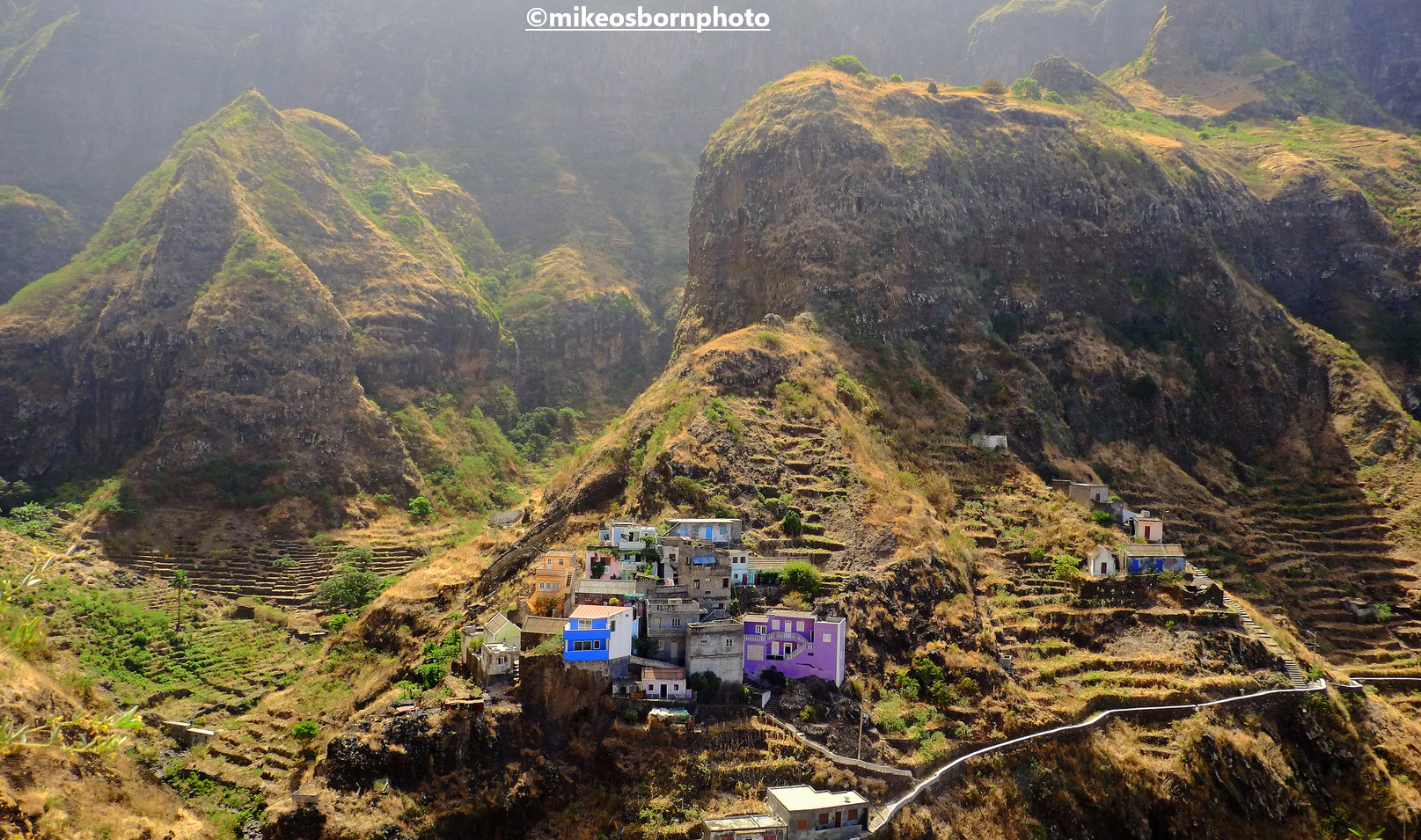
It’s more sparsely populated and a land where towering peaks and the Atlantic Ocean crashing against its craggy coastline prevail. 

Colourful little villages cling to the mountainsides, including unmissable Fontainhas which has even been feted by National Geographic magazine.

But there’s a flipside to Santo Antão’s dramatic cragginess. The Paul Valley is the greenest place in Cape Verde, with its own abundant water source supporting crops and lush vegetation. It’s a memorable place to hike, dotted with rustic homesteads.

Life can be hard here, but to the outsider it appears peaceful, simple and idyllic.

It would be fair to say that like many other visitors to Santo Antão, I was bowled over by its beauty and relative remoteness, unique to the Cape Verde islands I spent time in. It has to be on your itinerary – but please don’t go all at the same time!

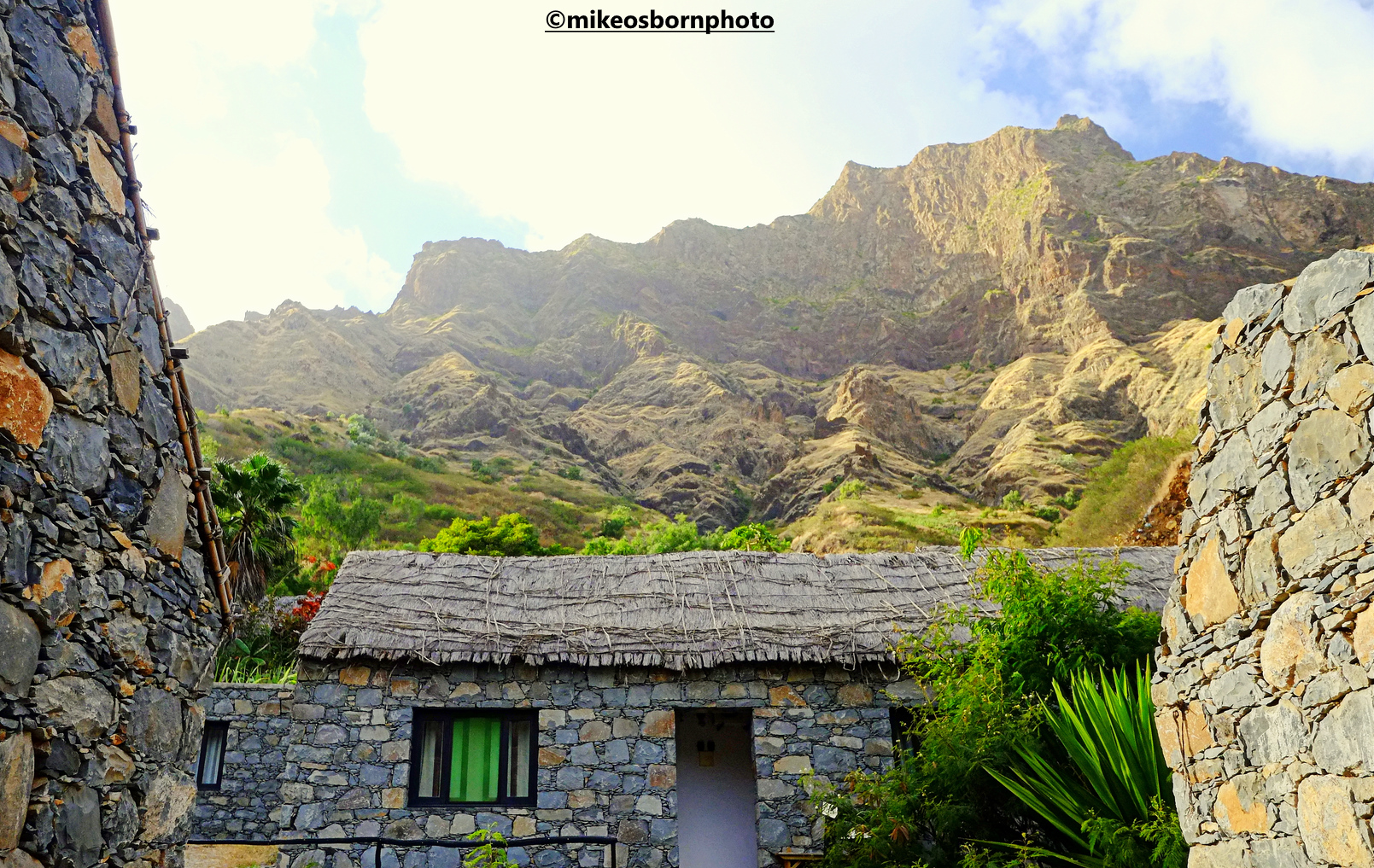
I stayed at Pedracin Village with rooms built in the style of Santo Antão cottages (mine is pictured above!) Surrounded by mountains on all sides, this was a quiet place to marvel at the landscape and experience the island’s very relaxed vibe.

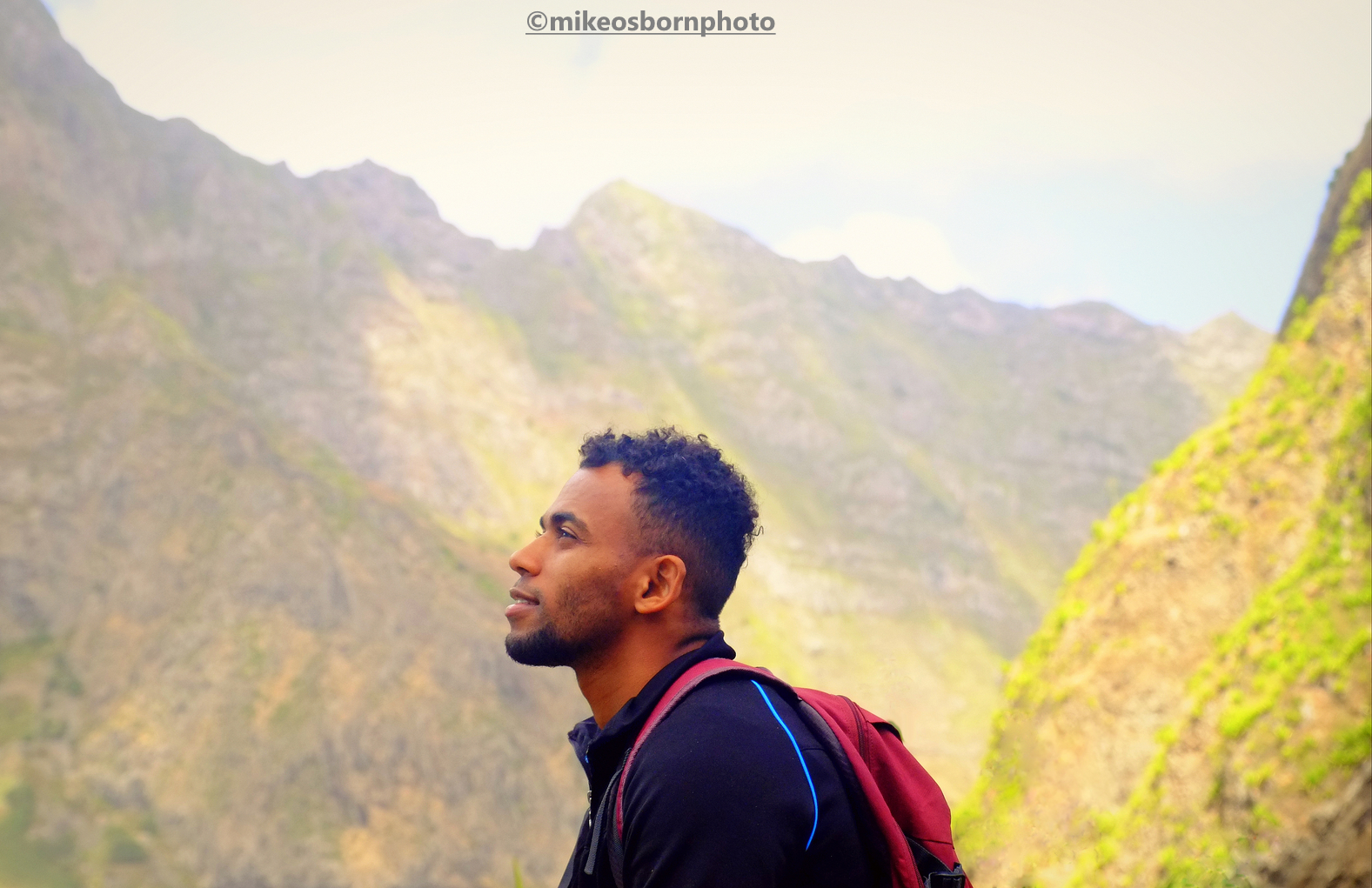
A good tour guide can make your visit. This is Samuel Rocha, from Santo Antão and a proud Cape Verdean. He showed me the unique character of his island and did it with enthusiasm and good humour. Samuel was my hike buddy on a trail around the beautiful Paul Valley, which was quite strenuous but a truly memorable experience.

I booked my Cape Verde trip with island specialists Archipelago Choice, a small company based in Cumbria, UK. It was a bespoke tour for one based on their Highlights of Cape Verde holiday. Vista Verde Tours took care of my transport and excursions while I was on the islands. I flew from Manchester to Cape Verde via Lisbon with TAP Air Portugal.

Link to mikeosbornphoto's Facebook page