Hurghada: A real taste of Egypt

Feeling the winter chill and overdue a change of scene, I booked my very first trip to Egypt.

I didn’t choose the Pyramids or a Nile Cruise, but the upmarket sun-kissed Red Sea resort of El Gouna.

But I craved a taste of real Egypt and booked a day trip to the nearby city of Hurghada.

Was this an eye-opening contrast to the beach and sun loungers? READ MORE BELOW


Tap/click first image to see gallery

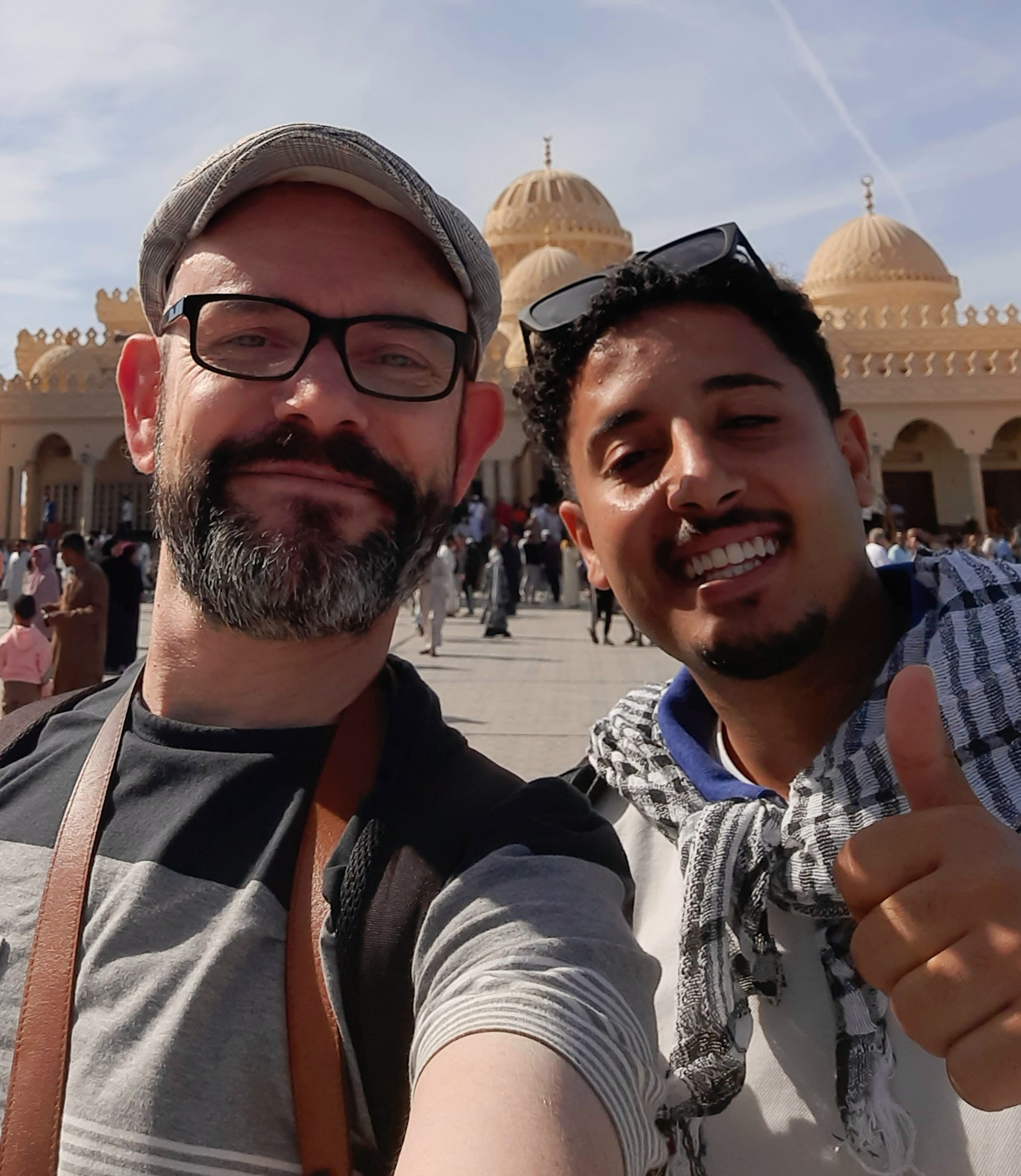
My day was spent in the company of tour guide Mostafa, an enthusiastic and friendly young guy with a detailed knowledge of his home city.

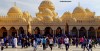
We visited the city’s impressive waterside mosque, but this was Friday and time for prayers – the biggest event of the week.

Sitting with a throng of male worshippers, carefully following their every move and listening in awe to the Imam’s sermon was a great privilege, thanks to Mostafa.

We moved from one part of Egyptian life to the nearby fish market, bedecked with seafood and locals carefully selecting their catch of the day.

Mike and guide Mostafa taking in the sights

The marina area has been redeveloped for the tourist trade, with a slew of restaurants where Westerners would certainly feel at home.

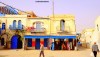
I asked to head away from here and we went to an ordinary neighbourhood distant from the seafront, with a busy outdoor market and a colourful array of shops and cafes.

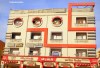
It was filled with a hotch-potch of architecture, with some buildings in need of some TLC. But this area of Hurghada felt authentically unmanicured.

A stop for a refreshing sugar cane juice and then mint tea at a sprawling street cafe – the domain of Egyptian men – added a further sense of authenticity to this experience.

My El Gouna base seemed much smoother around the edges but lacking that fizz of excitement when I returned – I’m glad I had this brush with real Egypt.

Link to more posts about travel on mikeosbornphoto

Djerba: A little piece of Tunisia

There’s only one way to escape a long British winter and that’s flying off to warmer climes.

I chose Tunisia as my change of scenery and the island of Djerba in the south of this North African country.

Djerba has been welcoming guests for decades with its Mediterranean shores, golden sands and wealth of hotels.

While relaxing in the sun is on offer, delve a little deeper and you’ll discover Arab culture and the vibrancy of the souk. CONTINUE READING BELOW


Tap/click first image to see gallery


Booking my package trip to Djerba was effortless, with direct flights from Manchester and choosing one of the numerous hotels on offer.

The Iberostar Waves Mehari, with its large premises at the quieter end of Djerba’s north-east coast and close to the beach, looked a good choice.

The gardens were nicely manicured, my room quiet and comfortable, while the buffet restaurant was packed with delicious food at breakfast and dinner.

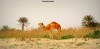
The hotel also has its own stretch of beach – the starting point for me to explore this developed coast. First impressions were that it was a little scruffy, while friendly packs of dogs existed alongside camels and horses that could be hired for rides.

While many holidaymakers choose to relax by the hotel pool, I decided to hire a bicycle thanks to the very friendly service of Djerba Cyclo.

I visited other parts of the island’s coastline on my metal steed and discovered some truly stunning beaches which were practically deserted and bathed in Caribbean colours.

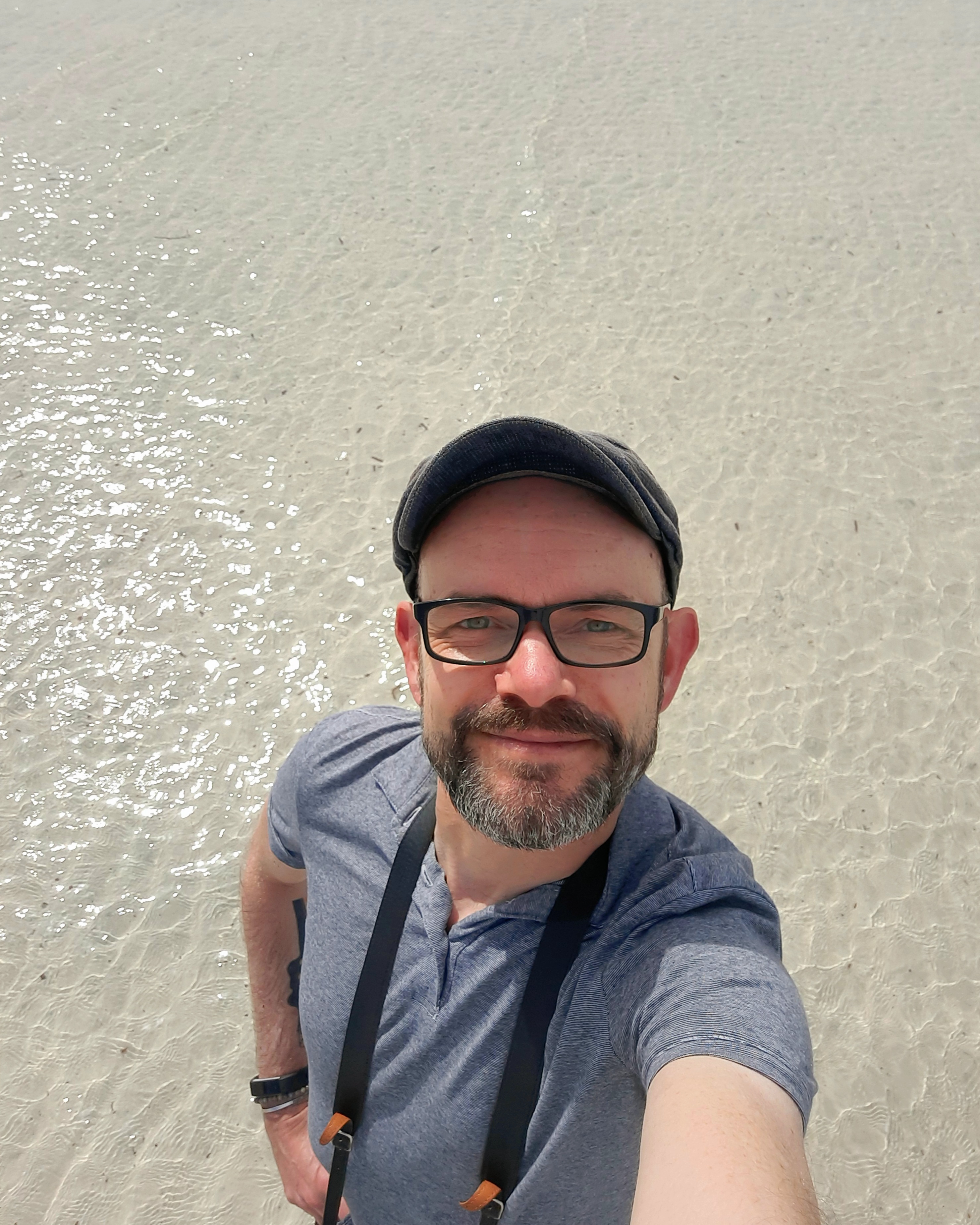
Author Mike Osborn enjoying the cool waters of Djerba in Tunisia.

Djerba is a place to take a paddle

I was intent on visiting Houmt Souk, Djerba’s main town, but swapped bike for very reasonably priced taxi to make the 22km journey each way.

The town’s old souk is captivating with its little winding streets with some shabby facades offering colourful wares.

Yes you’ll be hustled inside shops and given the hard sell, but it’s part of the experience and there’s never an obligation to buy. Use it as an opportunity to speak to Tunisians and find out a little more about them.

It’s also worth walking to the seafront and visiting the Ghazi Mustapha fortress’s solid walls. From the ramparts I noticed bathers paddling in the surprisingly shallow waters.

Djerba. You can visit and never leave your sunbed – the perfect holiday for some people. But it’s worth seeing more of this Tunisian island. Next time: Cycle rides, mosques and Djerban architecture.

Link to more posts about travel on mikeosbornphoto

Fuerteventura: Costa Calma

My recent island travels have taken me to São Tomé e Príncipe and Cape Verde, which were all about exploration.

This time I visited Fuerteventura in Spain’s Canary Islands, where the emphasis is on sun, sand and relaxation.

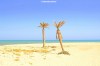
I stayed at Costa Calma in the south-east of the island, settling down to days of hotel buffet meals, lounging around and sunset wanders.

But there was photography too, capturing the essence of this popular destination.

Would you like to kick back and take it easy here?


Tap/click first image to see gallery

Link to more posts about travel on mikeosbornphoto

Fuerteventura: Island architecture

I recently went on a good old-fashioned beach holiday to the Spanish island of Fuerteventura.

It’s a destination blessed with a sunny climate, beautiful beaches and has relaxation at its heart.

But on Fuerteventura’s Costa Calma, especially popular with German holidaymakers, I became fascinated with the resort’s architecture.

Could your attention be turned away from the beach? CONTINUE READING BELOW


Tap/click first image to view gallery


I stayed at the SBH Crystal Beach Hotel, a large confection of concrete and marble made for hundreds of holidaymakers.

It was a layer cake of whitewashed tiers, confusing to navigate, but boasted a beautiful view over the long beach.

The coast has been developed over the years with several large hotels and a little resort town, packed with white and pastel buildings guarded by sturdy desert plants.

Link to mikeosbornphoto print shop

The neighbouring Taro Hotel took the prize for architectural exuberance, topped with peaked concrete slabs like southern Fuerteventura’s rugged mountains.

Down on the beach, the bright yellow lifeguard pods became something of an architectural obsession in their own right.

This little getaway reminded me of family holidays to Spain in the 1970s and 80s, when the big hotel was king and you didn’t have to go far.

The beautiful skies, stark lines and rich colours were a joy to photograph – it wasn’t all snoozing and swimming on this sunshine break!

Has your simple beach holiday turned into an architectural joy? Let me know :)

Perast: Pearl of Montenegro

The winter in Manchester was dragging on so I sought escape to sunnier climes.

Spain seemed an obvious place for a relaxing break. But just one image in a web search turned this into… Montenegro.

I picked a small historical town for a week’s holiday. So is it worth ditching the usual hot spots? FIND OUT MORE BELOW


Tap/click first image to view gallery


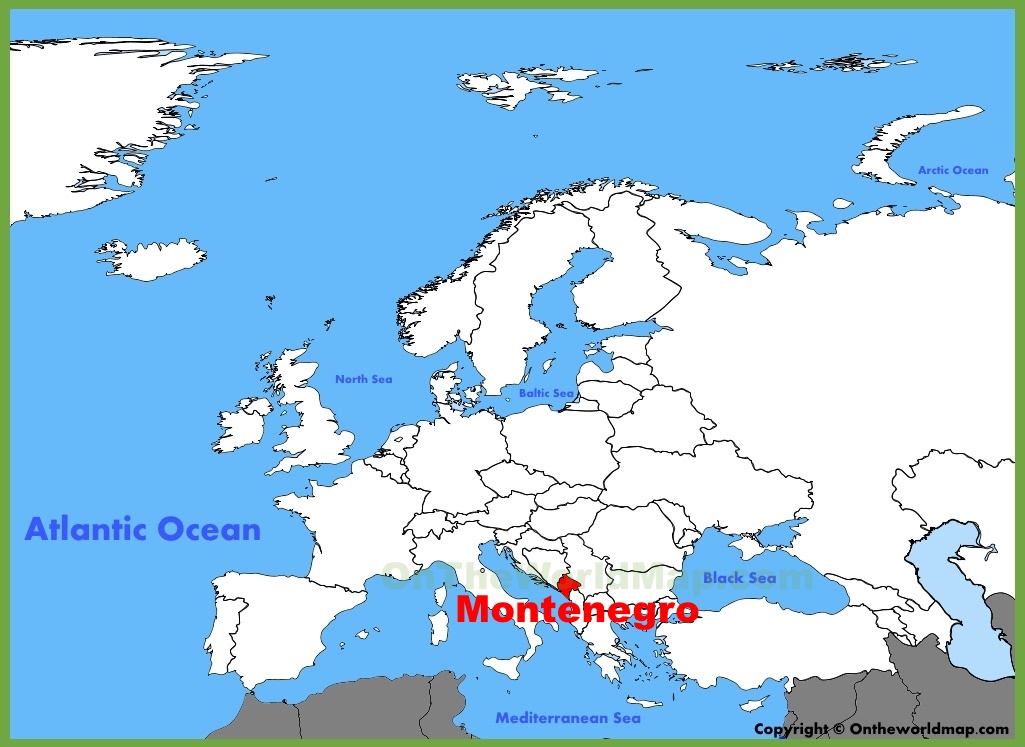
Montenegro is a small country which sits between Croatia and Albania on the Adriatic Sea, with a modest population of 617,000.

It has been welcoming tourists since the days of Yugoslavia from the 1970s and this has been a mainstay of the country’s economy since independence in 2006.

I flew direct from Manchester to Tivat, a town on the Bay of Kotor which is an arm of the Adriatic that snakes inland and is surrounded by steep mountains. Think a Norwegian fjord.

The image of Perast which spurred me to booking my trip was of the Hotel Heritage Grand, an exquisite five star property at the heart of the town, consisting of smart modern buildings, a restored palace and even an old church. 

I had a vast, comfortable room to myself, feasted on the sumptuous breakfast buffet and took relaxing dips in the indoor spa pool and rested on the sun loungers by the water’s edge.

The view of Kotor Bay from the viewpoint above Perast in Montenegro.

Clamber Perast’s stairs and you’ll enjoy views like this

The hotel staff offered a consummate and friendly level of service, with even the manager stopping to chat on her rounds. 

If that isn’t for you, there are more modest accommodation options available in Perast, should you decide to make this town your base.

In short, it’s beautiful with its bayside setting and mountains in all directions. Honey-coloured stone from its Venetian heyday still stands, including the lofty St Nicholas belltower. Stairs lead up to an elevated view of Kotor Bay.

Even in early April, day trippers visit Perast making the waterfront quite busy. But after they melted away, I enjoyed relaxed dinners in the many waterside restaurants while watching some colourful sunsets.

Forget Spain?

If you’re looking for lively nightlife, Perast might disappoint you. It’s a peaceful spot and lends itself to relaxed, early nights or sitting outside nursing a coffee.

If you stay in Perast, you’re very close to a famous Kotor Bay attraction. A tiny island topped with a blue-domed church – Our Lady of the Rocks – is just a short and cheap boat ride away from the shore.

The island also boasts its own little lighthouse and can get very busy, so it’s worth taking the trip just after breakfast.

Is it a good move to swap a Spanish getaway for this Montenegrin town? True, you won’t get acres of golden sand here or raucous nightlife. But it boasts a majestic waterside setting and has a timeless elegance.

If, like me, you enjoy exploring and finding plenty to photograph, then Montenegro offers more. I’ll tell you about that in upcoming posts.

Link to more posts about travel on mikeosbornphoto