Hurghada: A real taste of Egypt

Feeling the winter chill and overdue a change of scene, I booked my very first trip to Egypt.

I didn’t choose the Pyramids or a Nile Cruise, but the upmarket sun-kissed Red Sea resort of El Gouna.

But I craved a taste of real Egypt and booked a day trip to the nearby city of Hurghada.

Was this an eye-opening contrast to the beach and sun loungers? READ MORE BELOW


Tap/click first image to see gallery

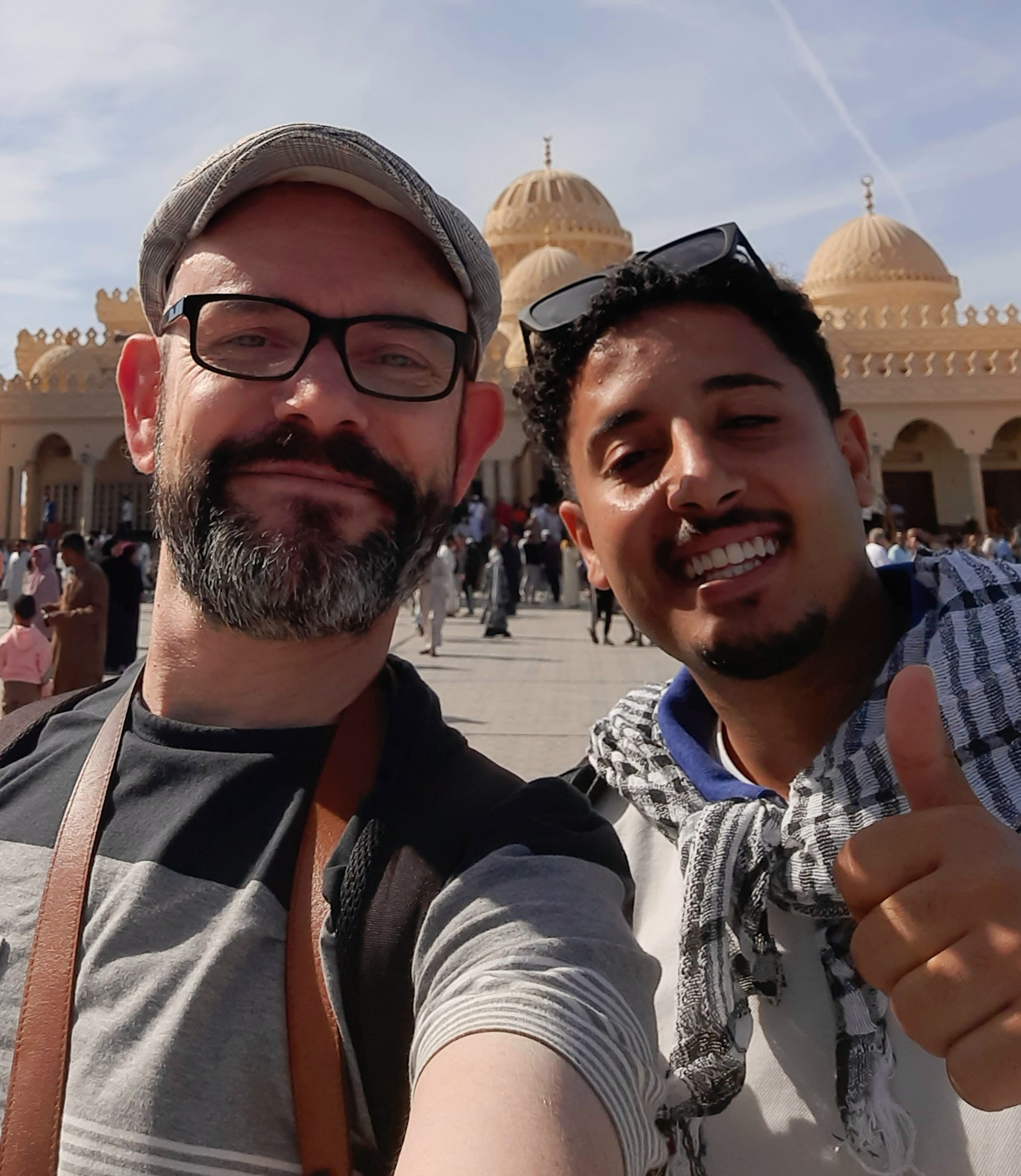
My day was spent in the company of tour guide Mostafa, an enthusiastic and friendly young guy with a detailed knowledge of his home city.

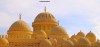
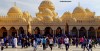
We visited the city’s impressive waterside mosque, but this was Friday and time for prayers – the biggest event of the week.

Sitting with a throng of male worshippers, carefully following their every move and listening in awe to the Imam’s sermon was a great privilege, thanks to Mostafa.

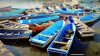
We moved from one part of Egyptian life to the nearby fish market, bedecked with seafood and locals carefully selecting their catch of the day.

Mike and guide Mostafa taking in the sights

The marina area has been redeveloped for the tourist trade, with a slew of restaurants where Westerners would certainly feel at home.

I asked to head away from here and we went to an ordinary neighbourhood distant from the seafront, with a busy outdoor market and a colourful array of shops and cafes.

It was filled with a hotch-potch of architecture, with some buildings in need of some TLC. But this area of Hurghada felt authentically unmanicured.

A stop for a refreshing sugar cane juice and then mint tea at a sprawling street cafe – the domain of Egyptian men – added a further sense of authenticity to this experience.

My El Gouna base seemed much smoother around the edges but lacking that fizz of excitement when I returned – I’m glad I had this brush with real Egypt.

Link to more posts about travel on mikeosbornphoto

Kazakhstan’s mystical city

Kazakhstan is vast. After being wowed by the country’s showpiece capital Astana, it took a two-hour flight to reach my next destination.

Turkistan is a city in the south of the country and the resting place of Khoja Ahmed Yasawi, a Sufi teacher and mystic revered by Central Asian Muslims.

His mausoleum is a beautiful old building in a place that celebrates ancient traditions. But Turkistan has a thoroughly modern side and is geared up for floods of visitors.

Is this a tourist trap or an essential stop on your Kazakh adventure? CONTINUE READING BELOW


Tap/click first image to see gallery


The Yasawi mausoleum is the star of Turkistan with its ornate blue dome, beautifully tiled exterior and a deep sense of history.

Other roots of Kazakh tradition are on show nearby, including an ancient bath house and a covered bazaar street (now selling an array of souvenirs).

Old gives way to the brand spanking new in the Karavansaray development, a complex offering shops, restaurants serving Kazakh dishes and other leisure pursuits. There’s even a Venetian-style waterway where you can take a boat trip.

While it’s easy to be a little cynical about what Turkistan has to offer, there’s one attraction which blew my socks off.

Housed under a sparkling gold dome, the flying theatre uses spectacular footage and shifting chairs to take you on a magic carpet ride over Kazakhstan.

Two young waitresses photographed at a traditional restaurant in the Kazakh city of Turkistan.

Steppe smiles: Staff at a Turkistan restaurant serving hearty Kazakh food

It was like a thinking man’s thrill ride and an unexpectedly moving experience which you must do if you land in this city.

Turkistan was just a quick stop between Astana and an overnight train ride to Kazakhstan’s biggest city Almaty. 

It broke up the long hours of travel and was a startling contrast between modern attractions and its ancient mausoleum, which is worth seeing if Uzbekistan and its Silk Road treasures are not part of your Central Asia itinerary.

Forgettable travel isn’t worth doing and Turkistan had its memorable moments.

Next time: Almaty, displaced by Astana as Kazakhstan’s capital, but still arguably the beating heart of the country.

Comoros Islands: Ngazidja

The Comoros Islands. An unheralded destination in the beautiful Indian Ocean.

If you make the journey to this small country, you’ll certainly set foot on Ngazidja – or Grande Comore – the largest and most populous island of this little-known archipelago.

My initial stay on the ‘big island’ was just for a few days before heading by air to smaller siblings Mohéli and Anjouan.  

Did the return trip save the best until last?… CONTINUE READING BELOW


Tap/click first image to see gallery


Arriving at Moroni’s very small airport is an experience – and an indication that the Comoros aren’t used to receiving hordes of tourists. 

But there’s a lot to see on Ngazidja, from the bustling streets and rustic markets of the capital, where you’ll encounter few European visitors and feel you’re really off the beaten track.

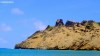
The coastline offers undeveloped beaches, dramatic rock formations and stunningly vibrant mangrove lagoons. Further inland there are ancient baobab trees with trunks mighty enough to hide an entire tour group.

If architecture is your bag, be sure to see medinas of old houses and carved doors. There are also ruined sultans’ palaces to see at sunset as the call to prayer rings out and bats cross the sky.

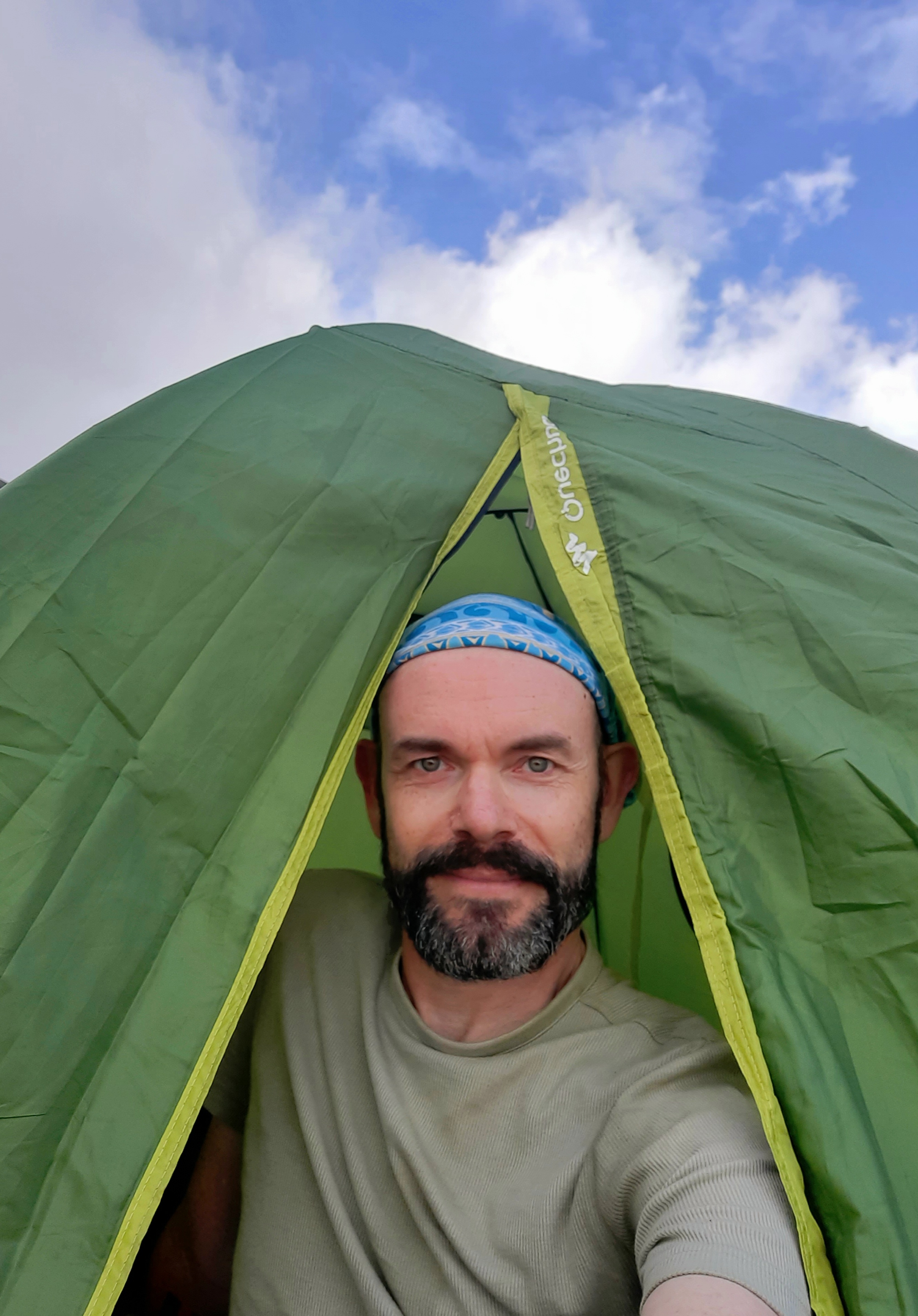
Author Mike Osborn in his tent on a trip to volcano Mount Karthala in the Comoros.

Staying in a tent was an island highlight

Islam holds sway over this island, so there are mosques of all eras to spot.

An inescapable observation about Ngazidja and the Comoros is the presence of litter. With no waste collections, it’s a blight on the landscape.

The same goes for abandoned skeletons of vehicles, sometimes in the middle of otherwise beautiful countryside. This needs to change if the Comoros wants to attract more visitors in the future.

The return to Ngazidja was dominated by one prospect – a trip to Mount Karthala, the island’s dominant volcano which last erupted in 2007.

From a village in the foothills it was a four-hour hike to the crater and back. There was no swirling, fiery cauldron at the top but a vast landscape buried in volcanic matter.

The truly memorable experience was dinner cooked on the fire in the village and spending the night in tents surrounded by lowing cattle and waking up to an atmospheric, misty sunrise.

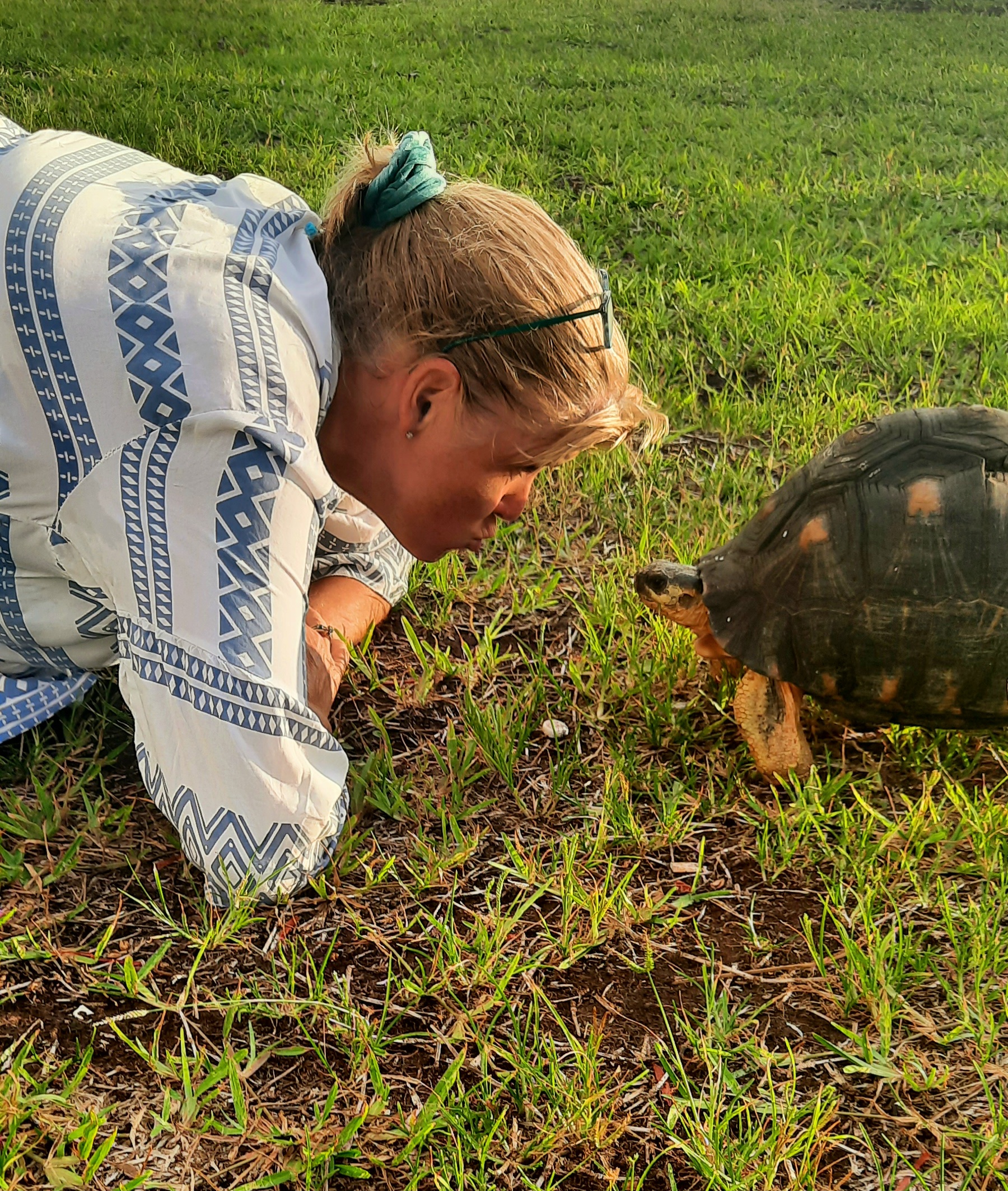
Getting to know the pet tortoises in the Comoros.

Travel buddy Corinna greets a pet tortoise

A night under the stars aside, home for this part of the stay was the Itsandra Beach Hotel and Resort, set by a lovely part of the coast with stunning sunsets and even pet tortoises mooching around the lawn.

It had the first sense of developed tourism but was by no means busy. A comfortable base to prepare for the long, drawn out journey back to the UK but possibly the least authentic version of this yet to be discovered country.

If you’re travelling this far, you have to visit all three Comoros islands. They each have something unique to offer and will appeal to your sense of adventure. There’s only one way to find out… 

  • Would you like to experience the Comoros Islands for yourself? My small group tour was with Undiscovered Destinations and operates twice a year. They also arranged air travel with Ethiopian Airlines, from Manchester to Moroni via Addis Ababa with two further brief stopovers in Geneva and Dar-Es-Salaam. Any further questions, please get in touch.

Comoros Islands: Anjouan

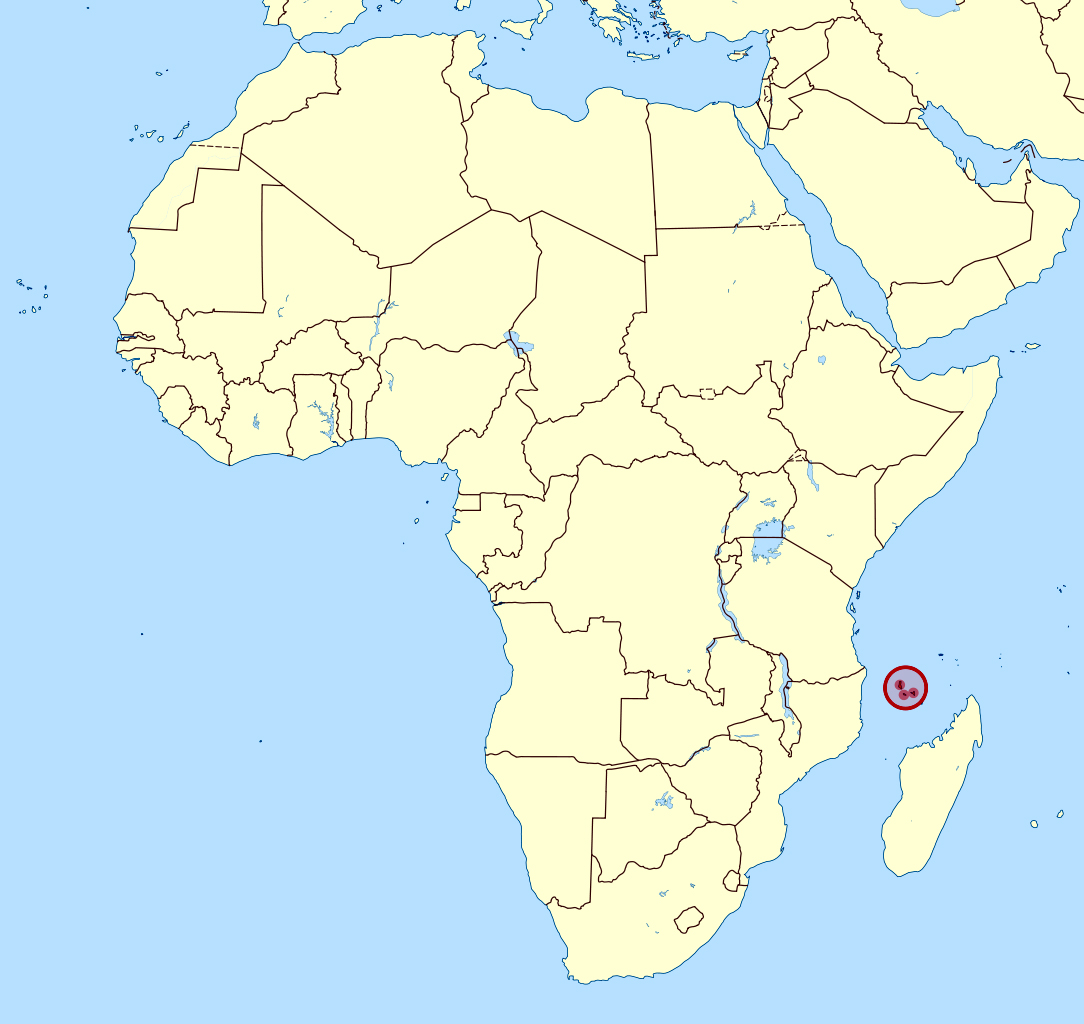
The Comoros Islands. Most people would struggle to locate this country on a map.

This small nation sits in the Indian Ocean between east Africa and north Madagascar. It’s seldom visited, which made me want to visit all the more.

I’ve introduced you to Mohéli, the smallest, wildest of the three islands.

Now it’s welcome to Anjouan, a bustling island with a rebellious streak – but blessed with tropical landscapes. CONTINUE READING BELOW


Tap/click first image to see gallery


Anjouan is best reached by small inter-island aircraft, an experience in itself.

My home was the quaint and rather empty Johanna Livingstone Hotel, decorated in bat motifs and with a terrace perfectly situated to watch some fiery tropical sunsets.

It was situated in a quieter corner of Anjouan’s main city Mutsamudu, with the pretty Al Amal beach a short walk away, where we rare tourists mixed with locals enjoying the refreshing ocean.

A carpet of ylang ylang blossoms drying out before creating oil.

Ylang ylang blossoms are a valuable crop throughout the Comores

The capital city’s old centre is a dense maze of ancient alleyways and many nods to the Comoros Island’s Islamic faith. The array of market stalls and throngs of people going about their business is dizzying.

On the other side of the island sits the city of Domoni, with its own set of narrow little streets and beguiling buildings. 

The city is crowned by a bristle of gold-topped minarets making up an impressive mosque and resting place for this small nation’s first post-independence leader.

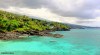
Anjouan’s more rural hinterland is filled with lush valleys, hills and rugged coastal spots which in a country more developed for tourism would be an azure-coloured holidaymakers’ playground. 

But it was the urban centres of this island which were truly eye-opening, where European visitors are seldom seen picking their way around the streets.

A place that’s yet to be discovered.

Next time: Grand Comore, this archipelago’s biggest island. But does biggest mean the best?

Link to mikeosbornphoto's Instagram account

Mosque magic

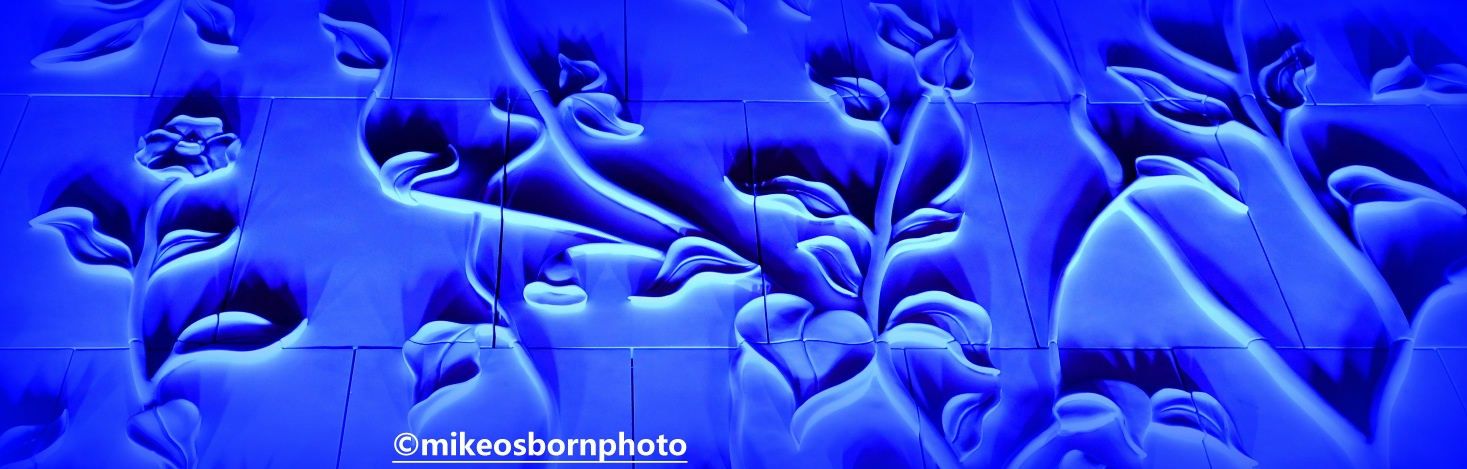
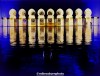
Blue stuccoYou have to visit the Sheikh Zayed Grand Mosque at least twice on a visit to Abu Dhabi in the United Arab Emirates. By the dazzling light of day, this beguiling building teems with visitors and can be hot work. But it remains open until long after sunset, and is transformed by illuminations which unveil a magical spectrum of colours, shimmering reflections and accentuate the wonderful lines and shapes created by this wonder of architecture.

After dark, the visitors have thinned out and lurk as silhouettes, and you can find stretches of the mosque are your own. The grounds are lit with warm, golden lamps which add to the atmosphere. And as for night photography, the lighting means that a tripod isn’t essential or even necessary. You must definitely take a night stroll around this building if you’re ever in this Middle Eastern city.


Click first image to view this collection

Gallery entrance