 Britain’s seaside towns have a reputation of being tired, neglected and lacking in charm – and Margate in Kent, south-east England is no exception.
Visitors to the town arriving by train from London on the sleek high-speed train might be disappointed by first impressions.
It is dominated by a 1960s tower block which sits close to Dreamland, an amusement park which currently lies idle. Another small parade of shops now sits derelict and is a depressing den of graffiti.

This urban wasteland overlooks the golden sands of the beach, while gaudy amusement arcades offer the only recreation.
The town’s high street, meanwhile, has a poor selection of stores and is anything but bustling.
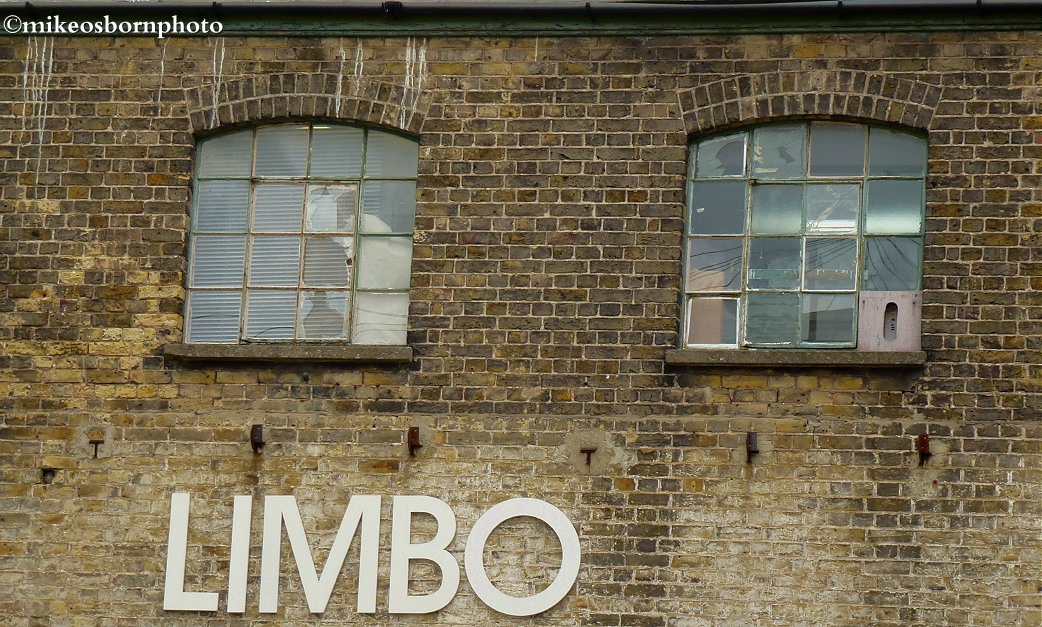
Just out of sight, there is a building bearing the sign ‘Limbo’. It seems to sum up the feeling of this slice of coastal life.
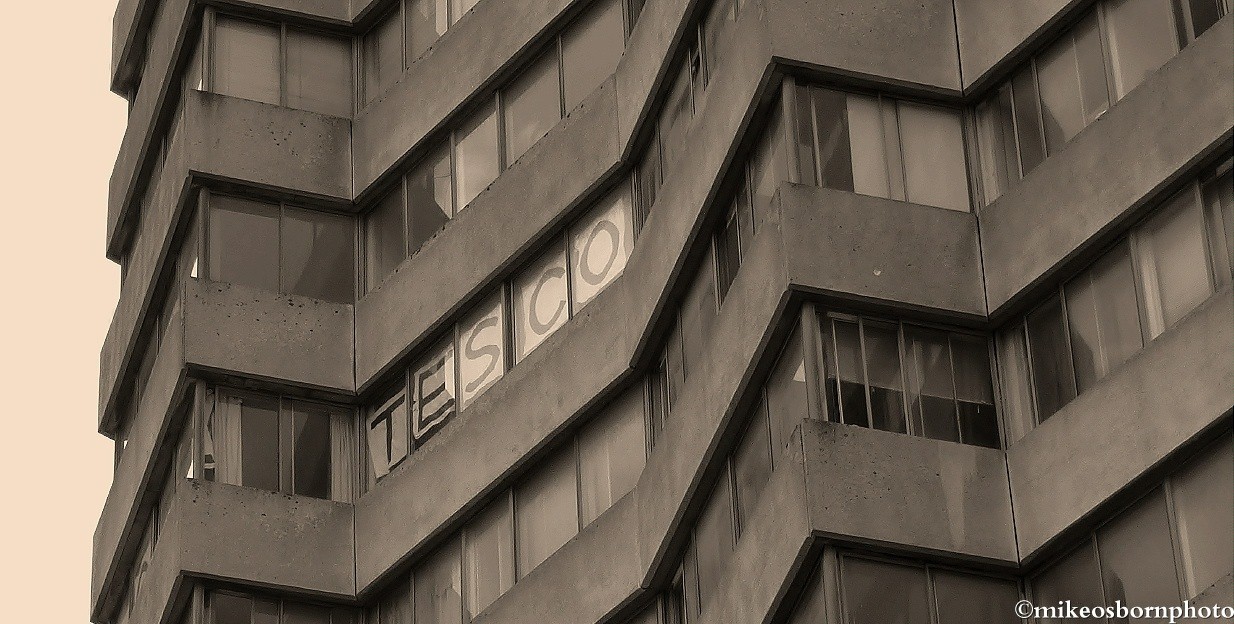
And back to the huge tower block, some large letters in a window spell out ‘Tesco’ – the name of the UK’s biggest retailer.
There is a row over whether the store should be allowed to move into Margate. It looks and feels more like a cry for help.
But there is more than one side to every story. Margate has more than one dimension which I will reveal soon.
