Manchester’s new arts Factory

The Manchester International Festival is in full swing, bringing the arts to Manchester’s residents and visitors alike.

It now has a brand new home, a purpose-built £210m building officially named the Aviva Studios, which will be the base for Factory International going forward.

The 2023 festival has spawned a blockbuster exhibition of Japanese artist Yayoi Kusama’s visually arresting immersive sculpures.

But instead of flocking there, I went to see the exterior of the new building at close quarters and tested its pulling power for the photographer.

THE VERDICT? FIND OUT BELOW


Tap/click first image to view gallery


Critics might say that the squat front building, made with corrugated metal, is nothing more than an overblown shed.

But I was immediately immersed in the plethora of textures and angles that radiate from this apparently simple construction and took a wealth of shots.

The tall ribbed concrete of the second section of the building is quite an edifice, with a bank of windows and more corrugated metal at the rear where few of the festival-goers were straying.

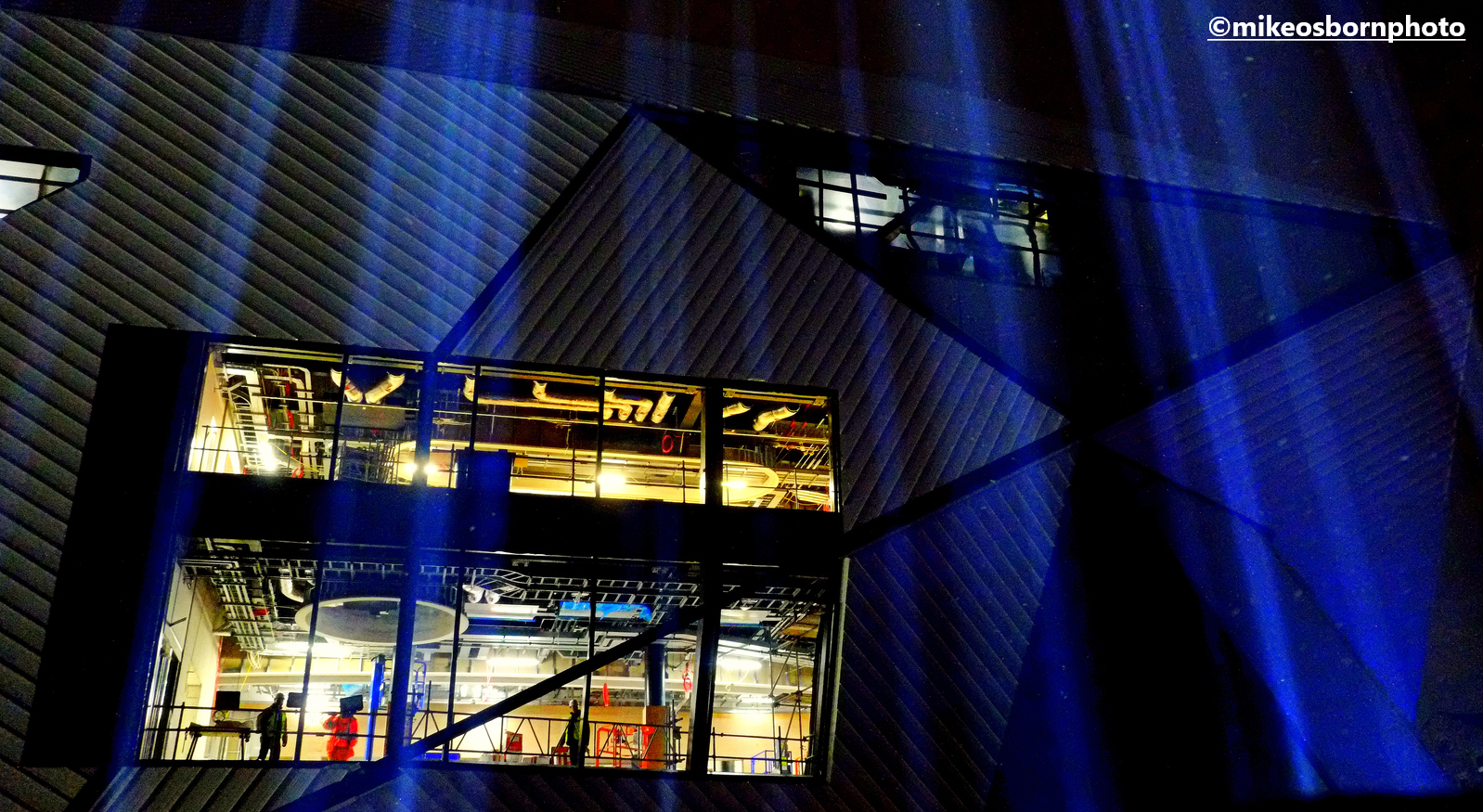
The unfinished Factory building seen in winter during the First Breath installation

The unfinished building was on show in winter for the First Breath light installation

They were enjoying the atmosphere of Festival Square, where music was playing and there are plenty of places to sit to have something to eat and drink.

The building may not be to everyone’s taste, but I enjoyed the exterior so much that I barely looked inside, which is a flexible warehouse space for performances and exhibitions.

Have you visited? What do you think of Aviva Studios, which is adding to Manchester’s rapid expansion?

Link to mikeosbornphoto's Instagram account

Cape Verde: Fogo

My memorable trip to the Cape Verde archipelago started in Santiago, the main and most populous island.

The next stop, Fogo, was a short 25-minute plane hop away, just enough time for water to be served to passengers.

This small isle is dominated by the cone of Pico de Fogo, an active volcano which last erupted in 2014. But is that all there is to see? READ MORE BELOW


Tap/click first image to view gallery


Fogo’s volcano is clearly a huge draw to visitors. Its surrounding lunar landscape, which I hiked around for hours, seems out of place on a small island.

It’s easy to trace lava tracks from previous eruptions, while the village of Portela still bears scars from 2014. It’s being rebuilt despite sitting in the volcano’s shadow.

But Fogo has more to offer, including its main town São Filipe which gently cascades down to a large beach of pitch black volcanic sand.

My base in São Filipe was Melissa’s Guest House with its small but perfectly formed infinity pool and a terrace with views down the hill to the unmissable blue church and across the ocean.

The town has a wonderful mix of colourful, sometimes tumbledown Cape Verdean architecture and has its own bustling produce market like every town across the archipelago.

Evening walks around the town are relaxed and inevitably lead to watching the sun set behind the neighbouring island of Brava before seeking solace in one of the bars or restaurants. I was totally charmed by this little island capital.

Other places well worth seeing in Fogo are an invigorating stretch of coastline around the town of Mosteiros and the arches and rocks at Ponta da Salina. Coffee and bananas grow in the lush uplands around Cutelo Alto – perfect for a sub-tropical stroll.

Fogo feels a world apart from bigger neighbour Santiago, while my next stop in Cape Verde would reveal another face of this small nation. Stay tuned!

Link to mikeosbornphoto's Facebook page

Cape Verde: Santiago

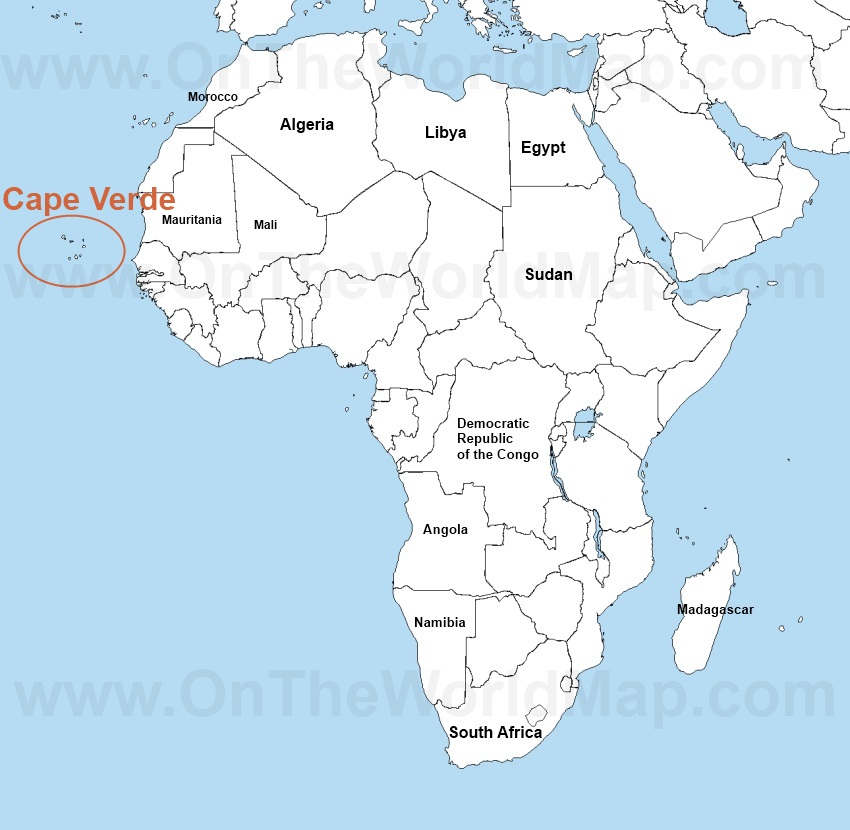
I finally ended three years without overseas travel with a trip to Cape Verde. This island nation sits in the Atlantic Ocean to the west of Senegal, Africa.

European holidaymakers are familiar with the islands of Sal and Boa Vista, which offer sunshine and relaxation in the depths of winter. But I decided to venture beyond the resorts.

I flew from Manchester to the capital city Praia via Lisbon in Portugal. So how was the island of Santiago, my first stop? It’s the biggest and most populous of Cape Verde, but does that always mean the best?… READ MORE BELOW


Tap/click first image to view gallery


My home in Santiago was a beachside area to the south of Praia, which sits on a lofty plateau. A picturesque lighthouse, seaside strolls and decent restaurants were close to the comfortable Hotel Oasis Atlantico Praiamar.

Cape Verde’s capital is the seat of government and bustles with life. But it doesn’t pack the punch of another city in the archipelago which I visited later on during my stay.

A road trip around Santiago reveals an island dripping with attractions, from its epic mountain interior to amazing views over the city of Assomada.

Cidade Velha, the former colonial capital of Cape Verde, boasts historical ruins and charming island architecture.

Pretty bays nestle in the north around Tarrafal and valleys lush with banana plantations stand out in these often arid, volcanic islands. 

Santiago was the first of four islands I visited on my trip and was a good introduction to Cape Verde beyond the sun lounger. Would its smaller neighbours make a bigger impression? You’ll have to wait and see!

The flag of Cape Verde flying above the capital city Praia

A very large Cape Verde flag flies over Praia

Link to mikeosbornphoto's Instagram account

Cromer: Norfolk’s seaside gem

Cromer is an English seaside town perched on the edge of the Norfolk coast. It’s traditional, picturesque and holds a lot of personal memories. Enjoy the photographs and read more below


Tap/click first image to see gallery


This was my first visit to Cromer in 25 years. I completed my initial stint as a fledgling newspaper reporter in the town. It was a time of new experiences, including a first significant relationship.

Cromer felt essentially unchanged, with its iconic pier at the centre of things. It was thronged with holidaymakers, relaxing with ice-creams and munching on freshly fried fish and chips.

Back in the late 1990s I wasn’t a habitual photographer, but this time was struck by the beauty of Cromer’s location. The wide stretch of coast that glimmered with gold at dusk, and the rows of candy-striped beach huts.

The town’s architecture is richly-coloured with turreted Victorian houses and full of the detail I maybe didn’t notice the first time around.

Cromer is a long way from Manchester and north-west England’s Irish sea coast but was worth the trip. Nostalgia and fresh eyes can often work hand in hand.

Have you gone back to a memorable place years later? Tell us about it in the comments section below!

Link to mikeosbornphoto's shop

Manchester on mobile

Earlier this year I admitted that I didn’t like using my smartphone to take photographs. That was a good starting point to try to make more use of my phone camera.

My Samsung A51 is classed as ‘affordable’, so its camera doesn’t have superpowers. But it slides into my pocket easily and has been coming on more trips, including daily walks around Manchester city centre.

I’ll admit that I’m getting used to it and the results are fuelling stories on my Instagram account. Editing is minimal and the content is good enough to last for 24 hours.

Everything is still shot in portrait and I spend a lot of time looking up at Manchester’s varied architecture. Despite this progress, my camera has its own life which I still value more.

How do you juggle your smartphone and conventional camera? Let me know in the comments below!


Tap/click first image to view gallery

Link to mikeosbornphoto's Instagram account