My mum the photographer

It’s a year to the day since my Mum died at the age of 86. Her passing has prompted a lot of tumultuous change, and no day has gone by without connecting to her memory. I brought home a small plastic box, packed with little black and white snapshots. I sifted through them, finding photographs of familiar family faces from a long gone era.
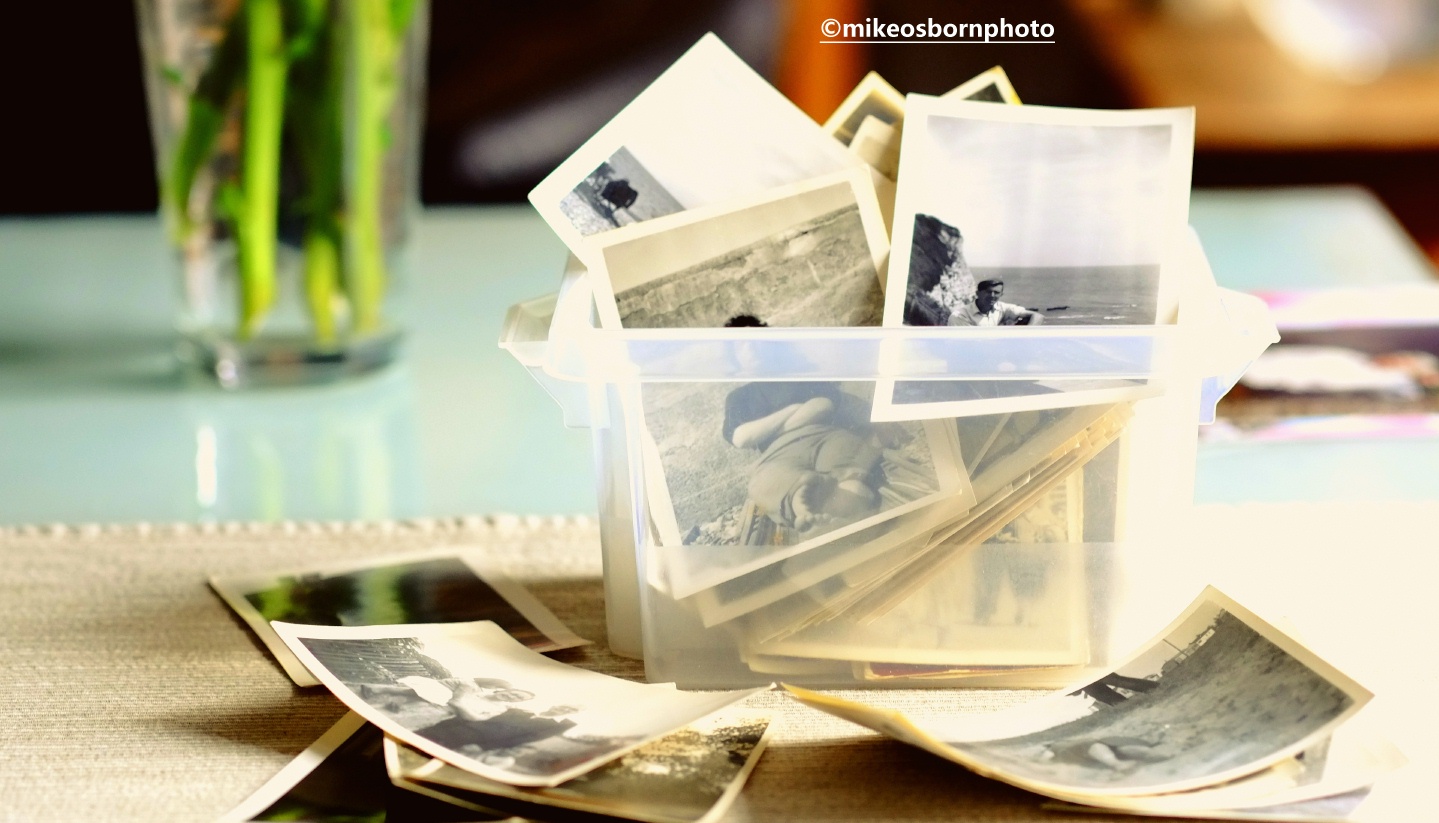
It didn’t take me long to realise that many of these images were Mum’s work. During the 1950s she took portraits of the important people in her life, including family and even boyfriends who preceded my late Dad. She was also happy to have the camera turned on herself in an era long before the selfie.

So why should it have come as a surprise? During my childhood it was Dad who purchased numerous cameras and took all the holiday photos. Mum was befuddled by complicated machines and consequently dismissed as unable to take a shot.

This little box of pictures reveals that it was Mum who may have possessed the natural flair to use a camera – the simple Box Brownie she mentioned on rare occasions. Dad, an engineer by training with a practical brain, loved the complex workings of cameras and would spend hours studying instruction manuals and fiddling with their controls.
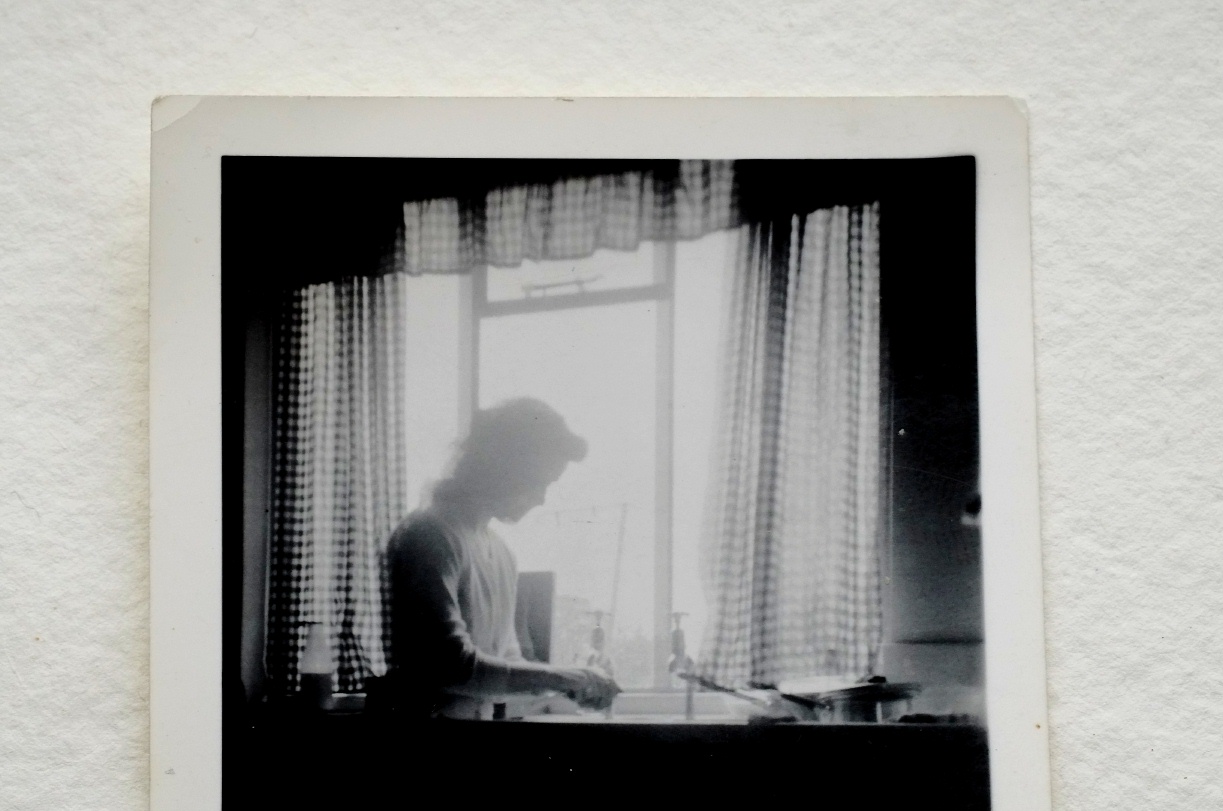
Kitchen Sink, a beautiful shot of everyday life in fifties Britain
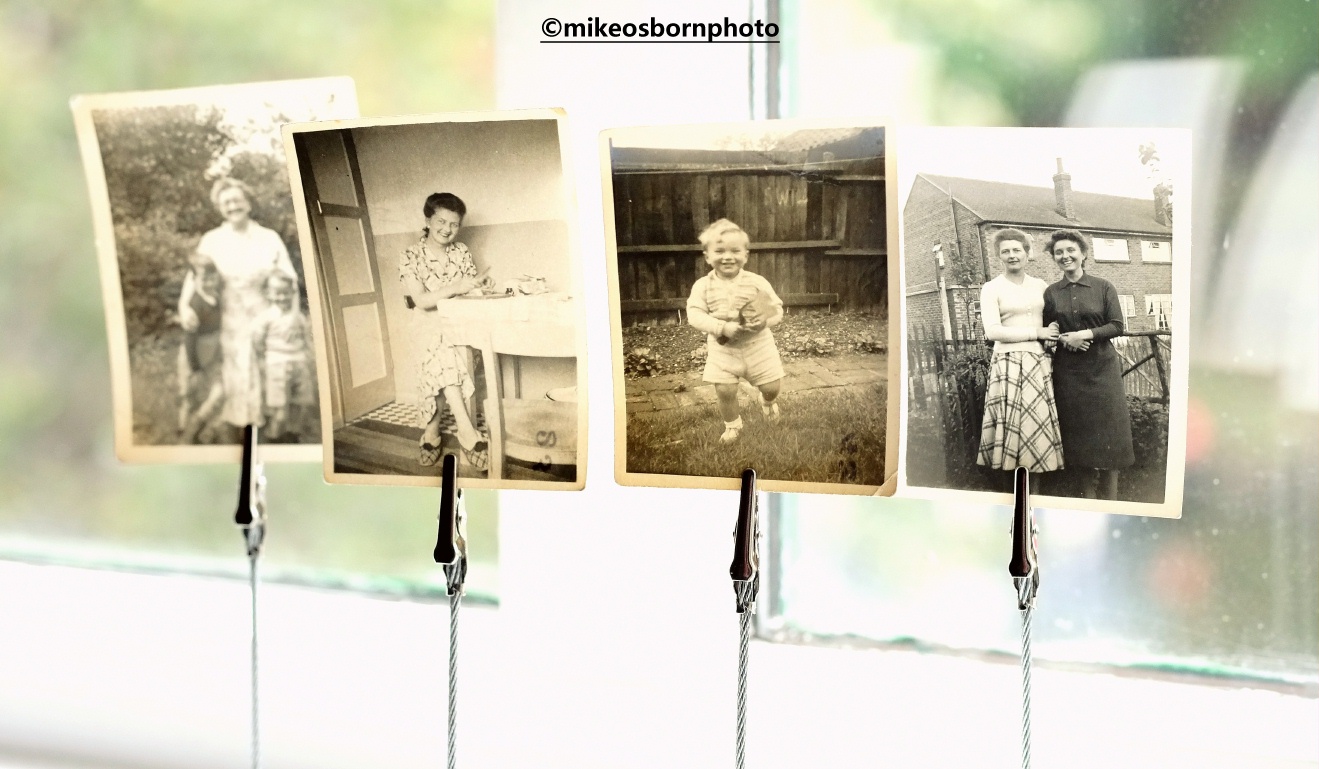
Portraits of my maternal grandparents, taken by Mum

Mum left behind thousands of photographs, but this small collection are the only ones which suggest she enjoyed using her own camera on a regular basis. Perhaps life changed after she married in 1957 and there was no longer space for photography. I regret that I didn’t unearth these photos and talk to her about them while she was still here.

As everyone knows, photographs hold cherished memories and in this case, unexpected insights into the long life of a loved one. I’m not at home for the anniversary, but putting this together will help me to remember a very important person.
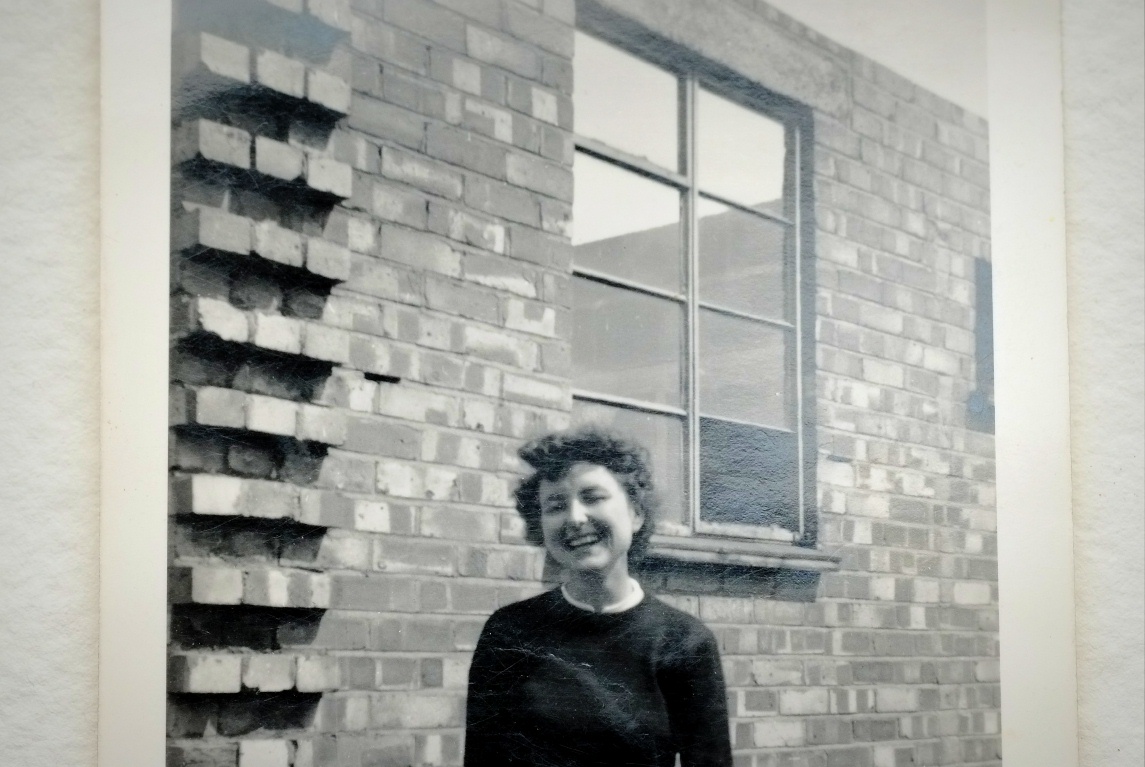
Mum, taken by me in December 2012


Fuji on the go

My family of cameras has expanded again. This time I’ve invested in a little sibling for my trusty compact system workhorse, the Fuji X-E1.

Little is the crucial world. The Fuji x100T has a fixed 23mm lens and is much lighter than its big brother. My regular camera takes up an entire backpack and doesn’t go with my everywhere.

One evening returning late from work, I got off the tram and was greeted with a stunning sunset pierced with cranes and high rises of urban Manchester. My phone camera is substandard at the best of times and couldn’t cope. I had to leave the sunset to melt away, uncaptured. 

I thought it was high time to have a decent camera to slip into my work bag and be ready for those moments. Fuji has greatly pleased me for nearly six years, so I turned to them and settled on an X100T. This was a cheaper option as it’s already been succeeded by the X100F but there’s still new stock to be had.

I expected a lot of familiarity and wasn’t disappointed, but things have moved on from my X-E1 and the menus and functions took some exploration. I also had trouble getting the electronic viewfinder properly calibrated so preview and finished shot matched up.

Teething troubles aside, working with this little one is fairly simple in my preferred manual mode. The aperture control on the lens can be a bit fiddly, as I’m more used to a chunky lens to adjust. The complete absence of zoom capability is at times an issue, but you have to adapt your photography.

But it’s a nifty little operator and the initial results prove that it has Fuji pedigree that I’ve grown to love a great deal, while having a camera close by much of the time is a huge advantage.

Click first image to view the gallery

A new photographic era

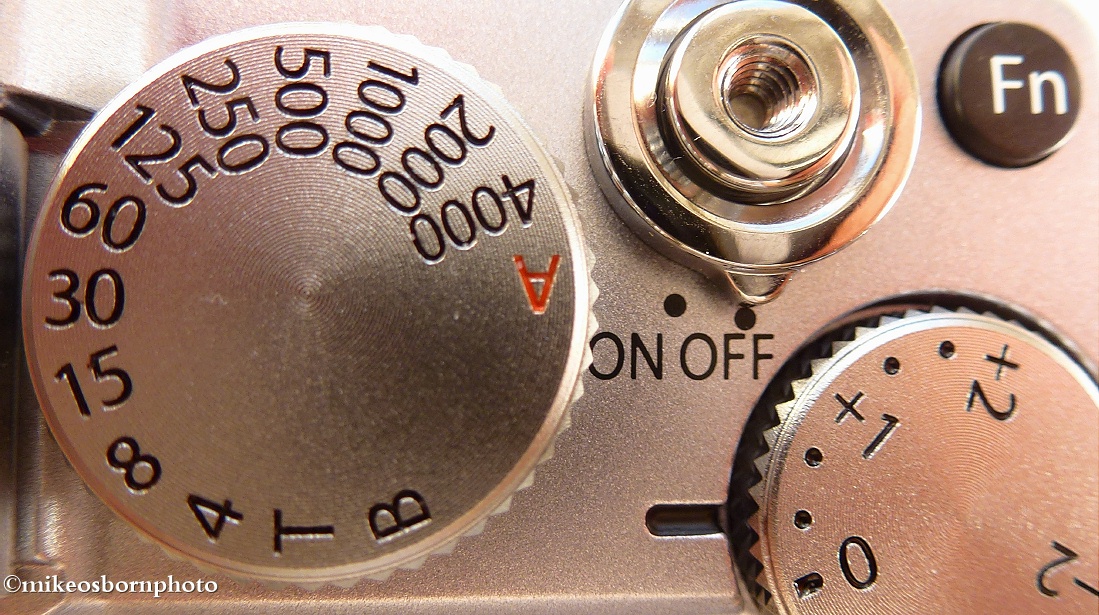
Fuji buttonsFor years I’ve been a loyal user of Lumix cameras and have become very familiar with their workings and have often been pleased with the results.

The time has come to graduate to a more sophisticated machine, and after considerable deliberation I’ve taken delivery of a Fujifilm X-E1 system, which is an exciting yet daunting move after knowing my trusty TZ-20 with its nifty Leica zoom so well. The Fuji has a range of available lenses with the zoom primed to manual operation.

After studying reviews and asking friends on Twitter, the Fuji prevailed with its excellent combination of old school styling encasing and up to the minute technology and features. You can set the shutter speed with a tactile metal knob, or perform this function with a digital menu.

There is a familiar small screen on the back of the camera and an electronic viewfinder which activates when you place your eye next to it. On the face of it, this is a sophisticated package which should expose the limitations of my old camera.

First impressions

I spent hours with my new camera simply trying to become accustomed with all the functions and their location. And today I went out for the first time to put the system through its paces.

Feeling physically comfortable with your camera is very important to me, and my first port of call was to buy a small shoulder bag for my Fuji to live in – having that amount of costly camera around my neck didn’t feel right. The Lumix slides straight into my coat pocket.

When it came to taking the first shots, I decided to use shutter selection mode, letting the camera choose the aperture. This felt familiar, having always used my Lumix in manual mode. Choosing other settings is handily available through a quick menu.

Having a viewfinder again is peculiar – my instinct is to use the back screen, but I’ll have to retrain myself. While I’m now used to handling the heft of my vintage Soviet camera, the Fuji is a bigger beast than the little Lumix. I kept catching one of the control buttons and was scared of dropping it. Turning the camera for lengthways shots will also require a little practice.

As for the first photographs, I’ve yet to edit them. I would expect punchier, clearer shots and have already found myself using higher ISO levels which the Lumix struggled with. I’ll share them soon and in the meantime show you some more pictures of the X-E1.

Click the first image to launch the gallery