Inside Manchester’s history

One of my summer highlights was the chance to see inside an iconic Manchester building.

Manchester Central – now an exhibition and conference centre – started life in 1880 as a grand railway station until its closure in 1969.

The building, with its lofty arched roof and station clock, was empty for visitors to marvel at its scale and the prowess of Victorian engineering.

It’s part of a complex which has hosted everything from rock concerts to the Nightingale Hospital during the Covid-19 pandemic and is a Mancunian landmark.

What do you think?


Tap/click first image to view gallery

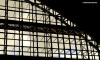
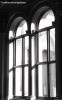
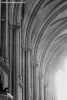
An interior view of Manchester's former Central Station, a feat of Victorian engineering.

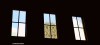
The historic Midland Hotel can be seen through Manchester Central’s vast window
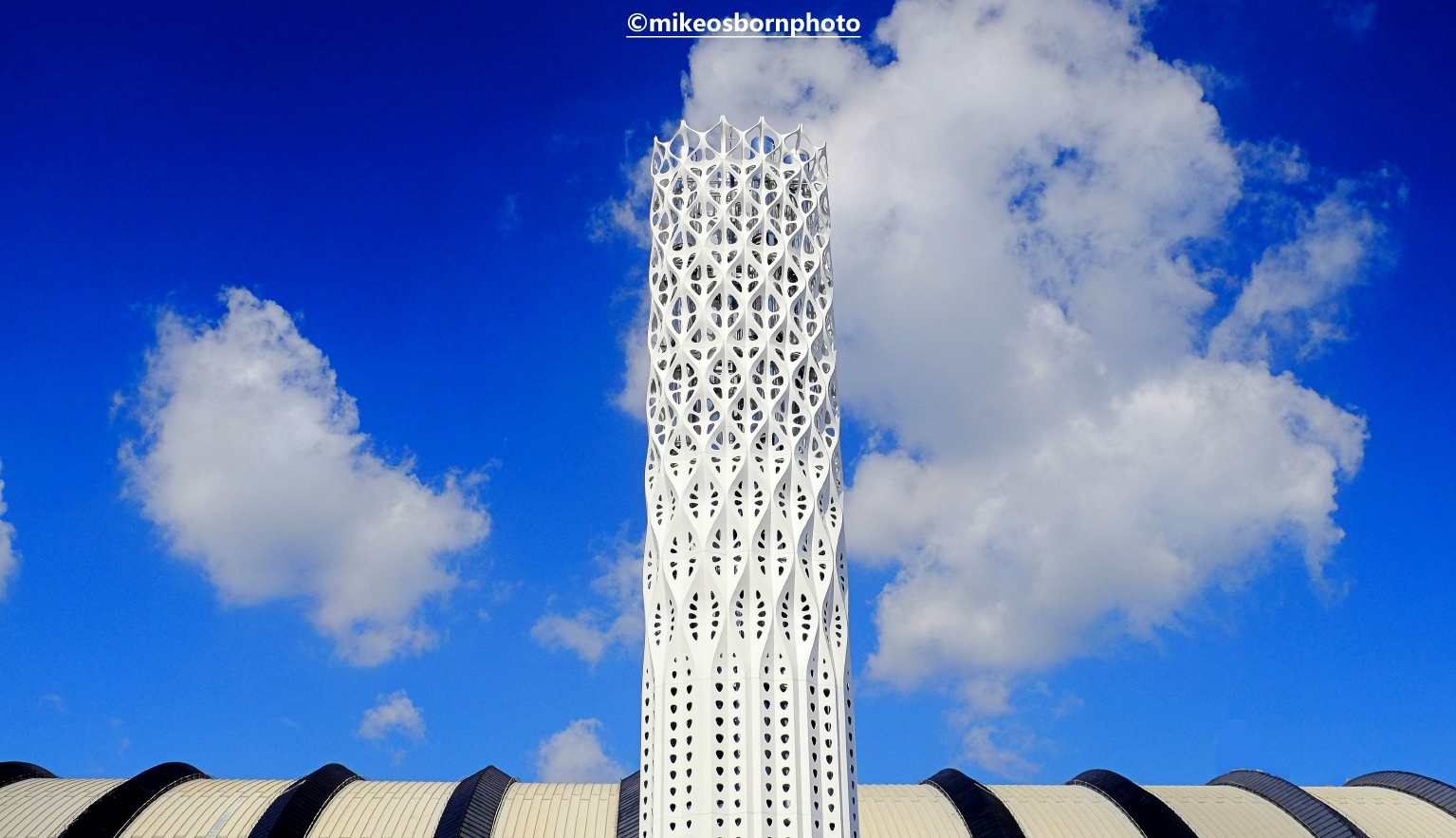
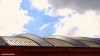
Manchester's ornate Tower of Light rising above the roof of Central Station.

The Tower of Light is a more recent Manchester landmark next to the former rail station

Link to mikeosbornphoto's Instagram account

Metal trees

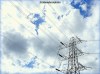
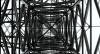
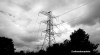
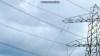
I went to the very outskirts of Greater Manchester looking for old mills, green hills and waterways. This was an unexpected bonus, found along the canal near the town of Stalybridge. An electricity substation bristles with pylons – there’s even one that straddles the canal. I’ve never been so close to one before.

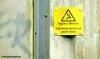
They scared and fascinated me as a child with their different shapes and command of the countryside. They may be blots on the landscape, but this close encounter made me appreciate their intricate form and structure. But always keep your distance and never be tempted to clamber up.


Click first image to view the gallery

Click to enlarge

Vertigo

Working at BBC Television Centre as it winds down for closure gives me time to explore its many corridors and take photographs of this unique piece of architecture and west London heritage.
Recently I photographed a staircase which is well-known to BBC staff. But it’s just one of many which grace the building, several of which lurk behind closed doors and are designed as emergency escapes. Their shapes and styles – especially on a sunny day – can produce some good shots. Peering up and down any big stairwell is not a good idea if you’re prone to vertigo.

Click first image to launch gallery

For more about the end of BBC Television Centre, see Vacated

Across the Peace Bridge

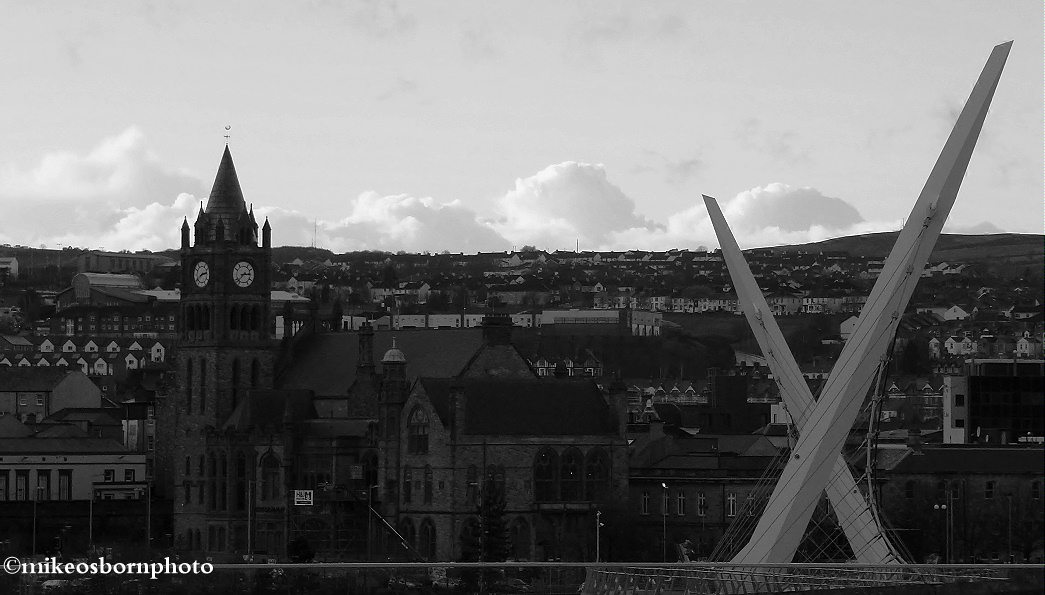
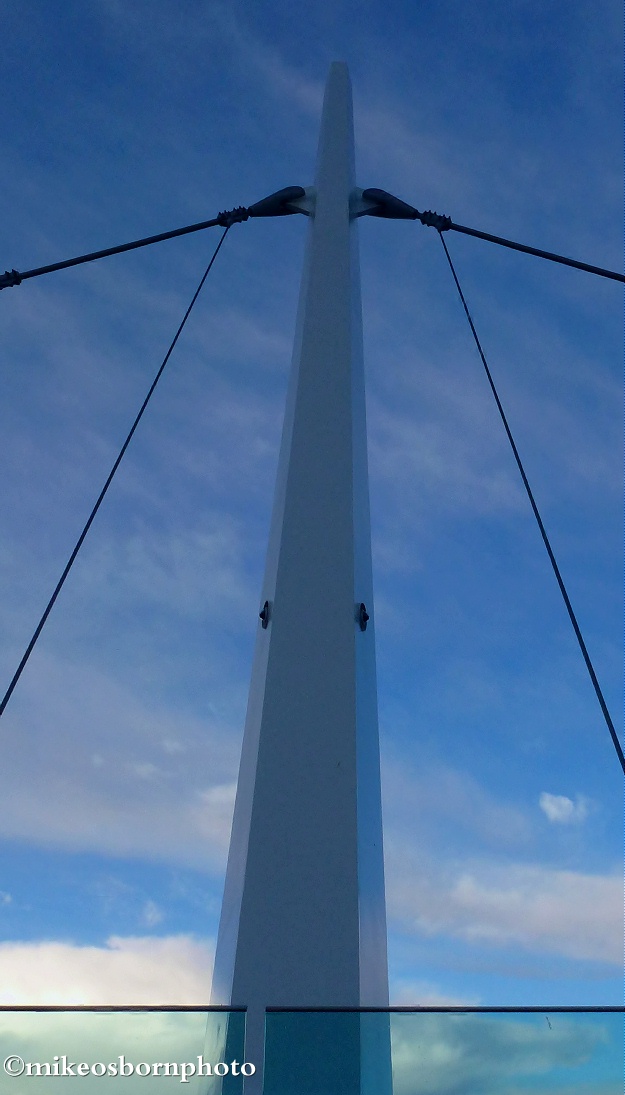
The Peace Bridge was opened in Derry, Northern Ireland in June 2011 and has swiftly become a major feature of the city. It sits astride the River Foyle and is intended for pedestrians and cyclists. The bridge is designed to bring together Derry’s divided geography and communities.

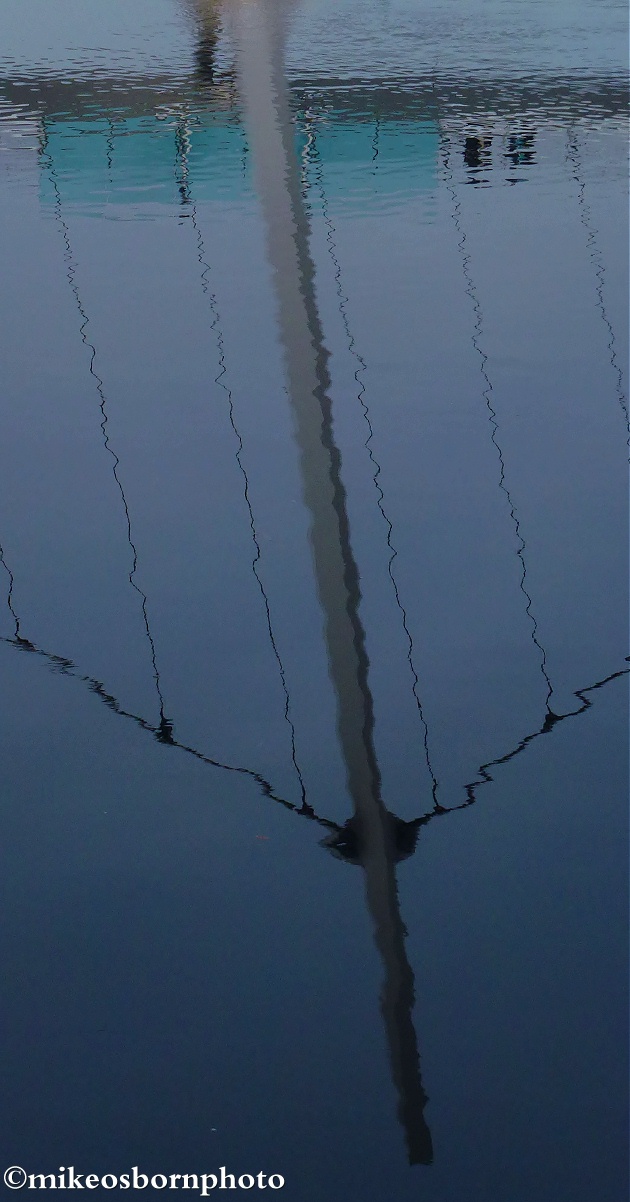
This contemporary structure with its graceful pinnacles and curves is a draw to the photographer. The city looks weathered against the bridge, which enjoys a steady stream of human traffic. Reflections of the Peace Bridge in the water it crosses and its own detail make it a joy to capture.

Click the first image to launch the full size gallery

This bridge has been elevated to one of the best I have visited and photographed. The sense that this has brought a new lease of life to the fabric of Derry came across quite palpably.

Behind London’s doors

It was Open House London weekend recently, giving ordinary people the chance to see buildings that are not usually accessible. This also meant freedom to photograph some of the city’s hidden architectural gems.

We visited five central London buildings – Unilever House, an older shell containing a very modern atrium, the Art Deco brilliance of the former Express Building at 120 Fleet Street, The Royal Courts of Justice, the imposing Freemasons’ Hall and the grandeur of the Foreign and Commonwealth Office headquarters in Whitehall.


Click on the first image to launch the full size gallery