Morecambe: Stay on the bay

Why settle for a day out when you can stay over?

After my successful break on the Fylde Coast, I decided to repeat the feat for Morecambe Bay, a familiar seaside spot in north Lancashire.

I spent a couple of nights in the town’s landmark Art Deco hotel and witnessed some jaw-dropping dawns and sunsets for the first time.

So I didn’t rush back home to Manchester for once. Was it worth the extra effort? CONTINUE READING BELOW.


Tap/click first image to see gallery


Morecambe’s Midland Hotel, a stylish slab of Art Deco concrete close to the beach, had long been on my list of places to spend a night or two.

The building won my heart with its elegant circular staircase, while I was given Room 101 – a large double room on a curve of the property.

It wasn’t a cheap stay, but I was in the perfect place to witness Morecambe Bay’s legendary sunsets. Ample skies, a scattering of cloud and the still waters providing a perfect mirror – I struck gold.

I also rose around 6am to see the sun rise with scarlet ribbons of colour layering the sky and Cumbria’s fells lining the horizon. The sea front was very quiet, settling my inner peace.

The last of the sunlight reflecting on the water of Morecambe Bay in Lancashire.

Dusk beauty awaits Morecambe visitors

There was plenty of time during my extended stay to take a walk to Heysham, a little seaside village I’ve visited on a previous occasion.

I wandered through Morecambe’s West End on the way, through streets full of historical markers but waiting for a good dose of TLC. 

As a regular solo traveller, it was lovely to speak to local people on my walks. They admitted the town needs a boost and whispered that the Midland Hotel has lost a little of its sheen in recent years.

This was a little staycation that proved a success – you can experience so much more if you decide to stay for a night or two. So where’s next?…

Link to mikeosbornphoto's Instagram account

Kazakhstan: Natural wonders

If you visit Kazakhstan, you’ll definitely see some of this vast country’s impressive landscapes.

Between the contrasting cities of Astana and Almaty, my trip was filled with geographical highlights of a nation blessed by nature.

Lakes, canyons, mountains and water give Kazakhstan a lot to boast about. Here’s just a brief glance of views making the long journey to Central Asia worth every mile.


Tap/click first image to see gallery


The vast Kazakh steppe seen from a train

Link to more posts about travel on mikeosbornphoto

Kyrgyzstan: Small but mighty

I finally made it to Central Asia after years of travelling to other places instead.

This vast region – made up of five countries or ‘stans’ – is full of natural wonders, remnants of the Silk Road and endless terrain.

Some travellers choose to visit all countries in one epic trip, but I plumped for Kazakhstan and Kyrgyzstan in a relatively swift bite.

Vast regional superpower Kazakhstan was followed by a quick glance at much smaller Kyrgyzstan – but did it do it justice? CONTINUE READING BELOW


Tap/click first image to see gallery


Crossing the land border into Kyrgyzstan was a choreographed but swift procedure. One young border guard grinned to see my passport photo hair has since disappeared.

This brief foray into the country was largely based around Karakol, a provincial city within striking distance of the Chinese border.

It boasts a beautiful wooden Orthodox cathedral topped with gold, a colourful mosque built without a single nail and many old Russian-style cottages with ornate shutters.

A lush valley among the Tien Shan mountains of Kyrgyzstan.

Kyrgyzstan’s mountain valleys have a lush Alpine feel

Karakol was the launch pad to experience Kyrgyzstan’s landscape – verdant valleys surrounded by the mighty, snow-capped Tien Shan mountains.

These lands are studded with yurts and horsemen. This is breath-taking, open countryside, making even short hikes a tonic for the soul.

At Jeti Oguz Canyon, the rugged rock turns a rich terracotta colour. Little tip: look for the coffee hut perched there which serves an excellent brew and deliciously creamy hot chocolate.

There’s a different side to Kyrgyzstan when you reach Issyk-Kul Lake. This vast body of water is a place of pleasure boat rides and even boasts beaches and piers. It makes up for the coastline this landlocked nation doesn’t possess.

The lake’s cool vibes were followed by a long trip to a very sultry Bishkek, Kyrgyzstan’s capital. My enduring regret of this trip was not booking a couple of extra nights to explore the city.

Mike Osborn taking photographs on Lake Issyk-Kul in Kyrgyzstan.

Testing my ‘sea’ legs in landlocked Kyrgyzstan. Photo: Wiktoria Tomkiewicz

After a final meal with the tour group – an eclectic bunch of nationalities and ages – it was time to prepare for a long, very early flight home. Bishkek will have a wait for another visit to Central Asia.

Kyrgyzstan felt more restrained and a lot less emboldened by oil and gas riches than their mightier Kazakh neighbours to the north.

But it’s a country blessed with landscape and beguiling culture. Well worth visiting if you come all this way. Stay a little longer if you can.

Next time: The start of a series on Kazakhstan – time to put those Borat myths to bed?…

Comoros Islands: Ngazidja

The Comoros Islands. An unheralded destination in the beautiful Indian Ocean.

If you make the journey to this small country, you’ll certainly set foot on Ngazidja – or Grande Comore – the largest and most populous island of this little-known archipelago.

My initial stay on the ‘big island’ was just for a few days before heading by air to smaller siblings Mohéli and Anjouan.  

Did the return trip save the best until last?… CONTINUE READING BELOW


Tap/click first image to see gallery


Arriving at Moroni’s very small airport is an experience – and an indication that the Comoros aren’t used to receiving hordes of tourists. 

But there’s a lot to see on Ngazidja, from the bustling streets and rustic markets of the capital, where you’ll encounter few European visitors and feel you’re really off the beaten track.

The coastline offers undeveloped beaches, dramatic rock formations and stunningly vibrant mangrove lagoons. Further inland there are ancient baobab trees with trunks mighty enough to hide an entire tour group.

If architecture is your bag, be sure to see medinas of old houses and carved doors. There are also ruined sultans’ palaces to see at sunset as the call to prayer rings out and bats cross the sky.

Author Mike Osborn in his tent on a trip to volcano Mount Karthala in the Comoros.

Staying in a tent was an island highlight

Islam holds sway over this island, so there are mosques of all eras to spot.

An inescapable observation about Ngazidja and the Comoros is the presence of litter. With no waste collections, it’s a blight on the landscape.

The same goes for abandoned skeletons of vehicles, sometimes in the middle of otherwise beautiful countryside. This needs to change if the Comoros wants to attract more visitors in the future.

The return to Ngazidja was dominated by one prospect – a trip to Mount Karthala, the island’s dominant volcano which last erupted in 2007.

From a village in the foothills it was a four-hour hike to the crater and back. There was no swirling, fiery cauldron at the top but a vast landscape buried in volcanic matter.

The truly memorable experience was dinner cooked on the fire in the village and spending the night in tents surrounded by lowing cattle and waking up to an atmospheric, misty sunrise.

Getting to know the pet tortoises in the Comoros.

Travel buddy Corinna greets a pet tortoise

A night under the stars aside, home for this part of the stay was the Itsandra Beach Hotel and Resort, set by a lovely part of the coast with stunning sunsets and even pet tortoises mooching around the lawn.

It had the first sense of developed tourism but was by no means busy. A comfortable base to prepare for the long, drawn out journey back to the UK but possibly the least authentic version of this yet to be discovered country.

If you’re travelling this far, you have to visit all three Comoros islands. They each have something unique to offer and will appeal to your sense of adventure. There’s only one way to find out… 

  • Would you like to experience the Comoros Islands for yourself? My small group tour was with Undiscovered Destinations and operates twice a year. They also arranged air travel with Ethiopian Airlines, from Manchester to Moroni via Addis Ababa with two further brief stopovers in Geneva and Dar-Es-Salaam. Any further questions, please get in touch.

Comoros Islands: Anjouan

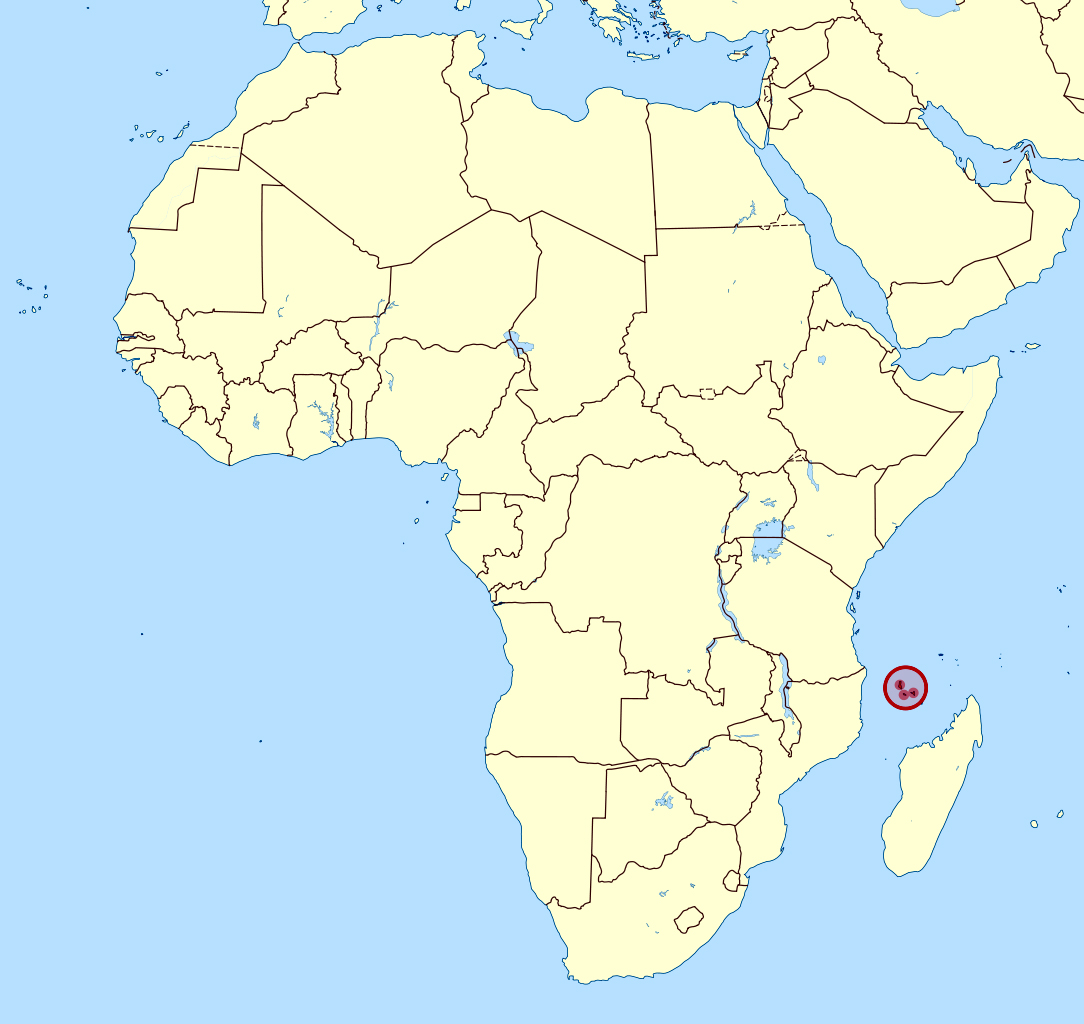
The Comoros Islands. Most people would struggle to locate this country on a map.

This small nation sits in the Indian Ocean between east Africa and north Madagascar. It’s seldom visited, which made me want to visit all the more.

I’ve introduced you to Mohéli, the smallest, wildest of the three islands.

Now it’s welcome to Anjouan, a bustling island with a rebellious streak – but blessed with tropical landscapes. CONTINUE READING BELOW


Tap/click first image to see gallery


Anjouan is best reached by small inter-island aircraft, an experience in itself.

My home was the quaint and rather empty Johanna Livingstone Hotel, decorated in bat motifs and with a terrace perfectly situated to watch some fiery tropical sunsets.

It was situated in a quieter corner of Anjouan’s main city Mutsamudu, with the pretty Al Amal beach a short walk away, where we rare tourists mixed with locals enjoying the refreshing ocean.

A carpet of ylang ylang blossoms drying out before creating oil.

Ylang ylang blossoms are a valuable crop throughout the Comores

The capital city’s old centre is a dense maze of ancient alleyways and many nods to the Comoros Island’s Islamic faith. The array of market stalls and throngs of people going about their business is dizzying.

On the other side of the island sits the city of Domoni, with its own set of narrow little streets and beguiling buildings. 

The city is crowned by a bristle of gold-topped minarets making up an impressive mosque and resting place for this small nation’s first post-independence leader.

Anjouan’s more rural hinterland is filled with lush valleys, hills and rugged coastal spots which in a country more developed for tourism would be an azure-coloured holidaymakers’ playground. 

But it was the urban centres of this island which were truly eye-opening, where European visitors are seldom seen picking their way around the streets.

A place that’s yet to be discovered.

Next time: Grand Comore, this archipelago’s biggest island. But does biggest mean the best?

Link to mikeosbornphoto's Instagram account