Japanese retro

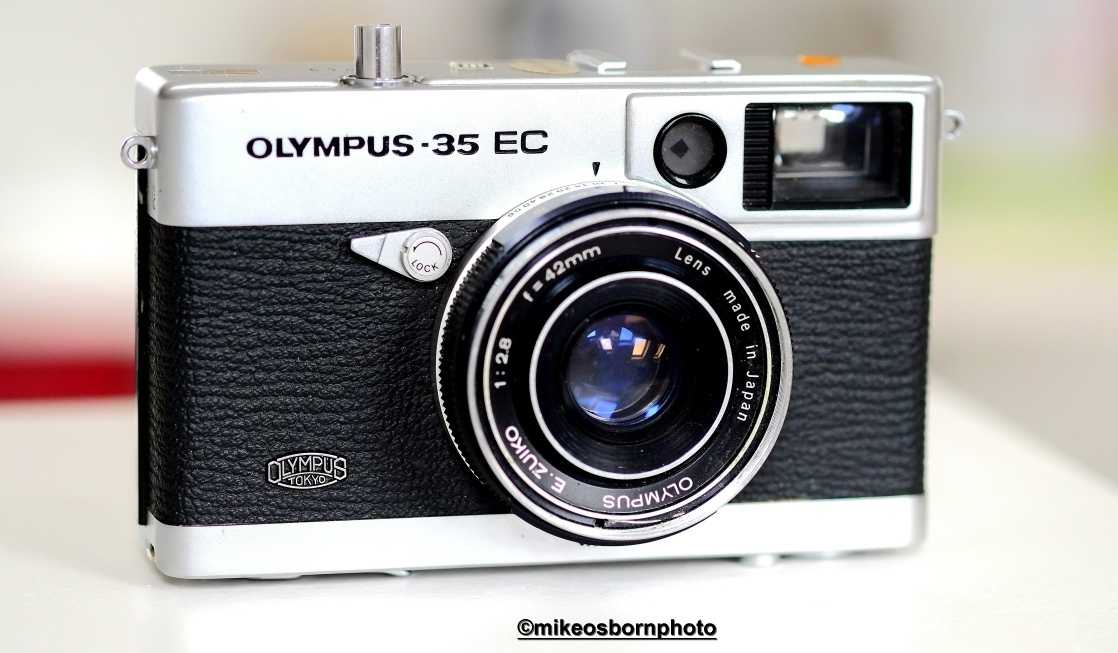
Olympus-35 EC

My deep-rooted interest in film photography has taken flight again. Two years have passed since a 1968 Soviet Zenit took its place in my camera family, but its mechanical bulk and a slight fear of its needs have left it resting gracefully in a drawer.

A visit to The Photographers Gallery here in London set this new phase in motion. Their shop sells beautifully reconditioned Olympus Trips, a classic of its era. A bit of sage advice from Zorki Photo and a trawl around eBay resulted in the purchase of a well looked after Olympus 35 EC for £32.

Unlike my hulking Zenit, this is a 35mm compact in every sense. Its electronic shutter is powered by a couple of small batteries. Essentially a point and shoot, all you need to determine is the focus, divided into five zones.

Click first image to view the gallery

I’ve already loaded my new baby with a roll of Fuji Superia 400 colour film, a much more stress-free task than with the Zenit. A couple of test shots made it feel as simple as it was intended at the cusp of the 1970s, although there’s no pleasing mechanical shutter release thunk.

The only worry is that I’ll become frustrated over the lack of control with this little Olympus, preferring to operate my Fuji in manual mode at all times. But I already see it as a camera I can easily pop in my pocket and revive the joy of shooting film with – seeking out different light and colours and not knowing your results until they arrive in the post.

And yes, some shots may well eventually find their way onto that least analogue of mediums…

Instagram widget

Stalinist Shepherds Bush

This is a building which wouldn’t look out of place in Cold War East Berlin or North Korea’s capital Pyongyang, with its drab, imposing facade. The jarringly cheerful murals at ground level are an attempt to lessen the effect of its brutal glory.

But this isn’t a memento from a Soviet bloc town. This is in Shepherds Bush, west London and stands a short walk from where I live.

The building bristles with the cables, circuits and communications equipment which helps the area’s telephone network stay in good shape. You could be forgiven for thinking it was a secret service facility, spying on the activities of the West.

Maybe I should have captured it in authentic style with my Soviet film camera.

Click first image for the full gallery experience

Gallery entrance

But on one side of this colossus, the style harks back to another era. The sign gives the building away, and there is even a telephone box – a rare and fascinating sight in the age of the mobile.

Telephone exchange

The rebirth of film

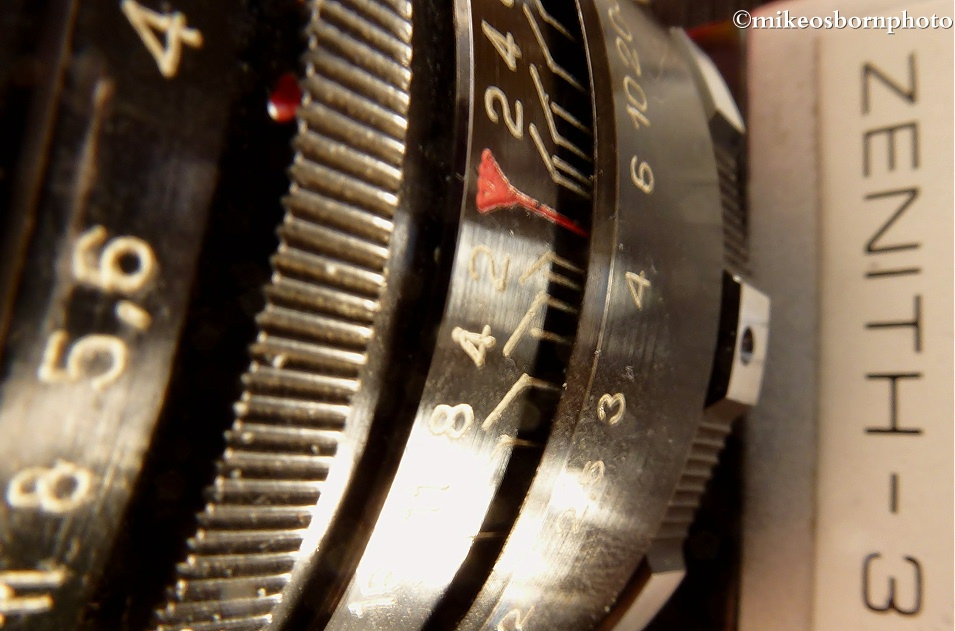
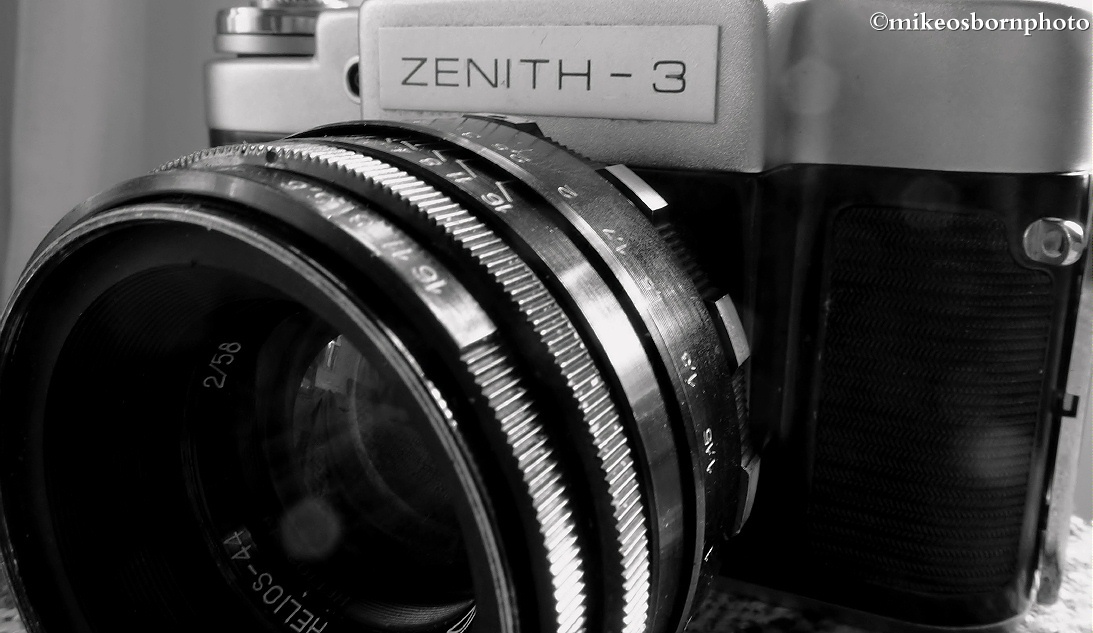
Zenit macroZenith-3

It’s been more than seven months since I took delivery of my 1968 Zenit-3 camera, a beautiful, mechanical beast from the Soviet Union promising the retro joy of film photography and a new way of looking through the lens.

I soon became used to its weight and vintage clunkiness, the lack of battery and digital function. A flurry of enthusiasm was dampened by my lack of experience, leading to the pain of ruining an entire film of shots.

The heady smell of my Zenit’s leather case was left untouched for months before I dived in for another attempt. This time I minimised the risk of destroying another roll of film by winding it back prematurely. That was after fast-shooting in an afternoon to avoid further long delays.

Well the first results were returned, and it evoked the boyhood memory of checking a sheet of negatives against the light. Yes, I had shots, although some had failed due to overexposure on a very bright day.

This selection of monochrome images are simple, safe and taken around my west London neighbourhood of Hammersmith and Ravenscourt Park.

Click first image to launch the gallery

Was it worth the wait? I love the grain to these shots. They feel entirely different to the crisp images produced by my Fuji X-E1. The focus and depth on the garden wall image is very good, while the floral images have a compelling quality in black and white.

But the initial results of this return to film expose how digital has dulled my instincts for the technicalities of photography. I had to made blunt guesses about aperture and exposures – although analogue aficionado Stephen Dowling says a pocket light meter is a must. These photos, taken on a sunny day, seem a little bleached and lack the strength of contrast monochrome offers.

However, the Zenit makes me think differently about taking pictures and often goes against my usual thinking. It obviously has practical drawbacks and requires the effort we used to exert without a moment’s worry.

Right now the camera is sitting idly and may not be picked up again for a while. But after 45 years in existence, this patient creature is always ready for the next assignment with its latest – still wet behind the ears – owner.

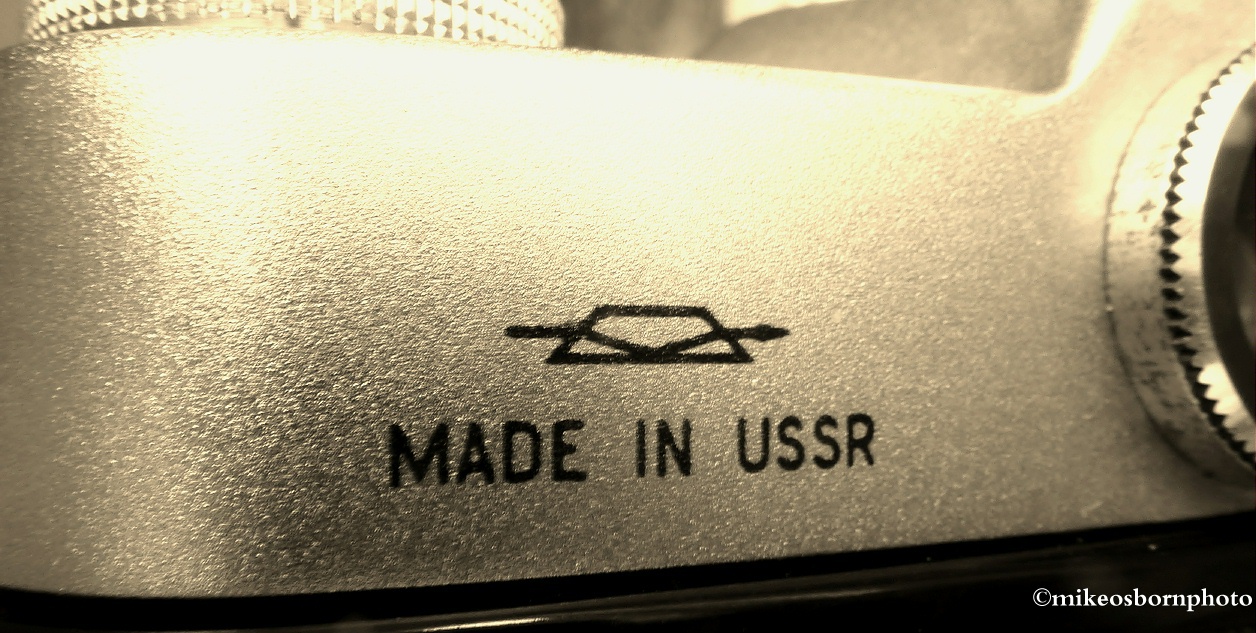
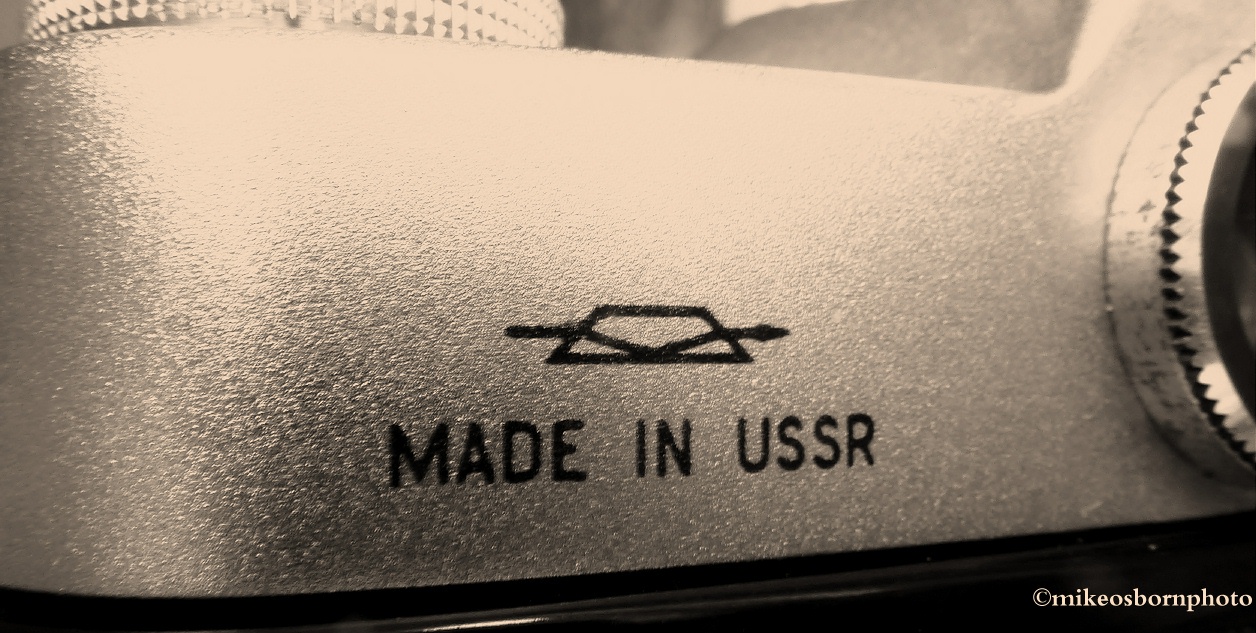
Made in USSRRead the first post about my new Soviet friend here

Soviet disaster

Made in USSRIn October I excitedly announced the arrival of my new camera – a Zenit made in the USSR nearly 45 years ago. It’s a mechanical beauty which takes film, and I quietly went about getting to grips with analogue.

I’ve been running my digital cameras as normal – more recently a Fujifilm X-E1 – so it’s taken a long time to come near to filling a roll of monochrome film and sending it off to the processing lab to see the first results.

This looked tantalisingly likely this weekend, so I braved the cold to capture those closing shots.

My Zenit-3 seemed to promise a couple of bonus shots, as I was expecting the shutter lever to tighten and signal the film’s end. But it just didn’t happen.

Back in the warm, I decided to manually rewind the film – only to discover there was no tension there at all. I opened up the back to find my worst fears had come true.

The film was torn from its cartridge and the entire roll was ruined.

Well the post-mortem showed that I’d made a very stupid mistake. This majestic old camera doesn’t tell me the film is nearing its end. When the mechanical counter reaches 36, that’s your cue to rewind the film. Don’t try to squeeze a couple of extra clicks.

So this was a Soviet disaster, although maybe not on the scale of Chernobyl. Another film has been loaded into the Zenit and I’m going to start all over again.

This isn’t a digital camera where you receive a polite message if your memory card is full up. It requires an old-fashioned kind of respect. It’s been tempting to give up this analogue journey and its pitfalls, but I’ll keep going.

This camera has been around longer than I have, so I’ll take notice of my elder and learn from her.