Japanese retro

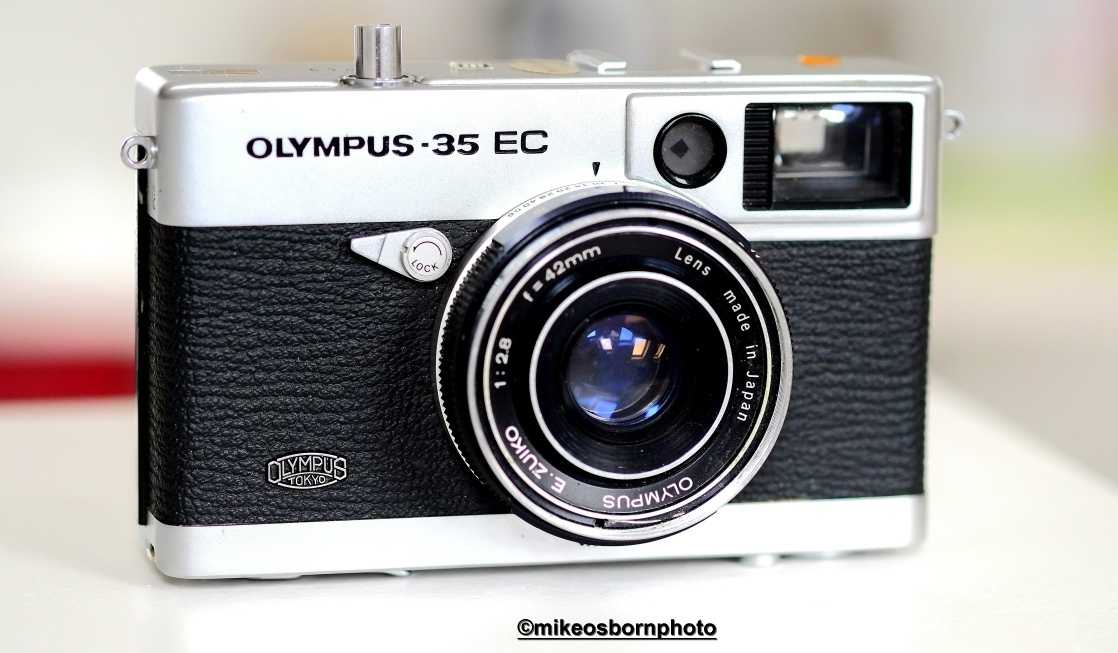
Olympus-35 EC

My deep-rooted interest in film photography has taken flight again. Two years have passed since a 1968 Soviet Zenit took its place in my camera family, but its mechanical bulk and a slight fear of its needs have left it resting gracefully in a drawer.

A visit to The Photographers Gallery here in London set this new phase in motion. Their shop sells beautifully reconditioned Olympus Trips, a classic of its era. A bit of sage advice from Zorki Photo and a trawl around eBay resulted in the purchase of a well looked after Olympus 35 EC for £32.

Unlike my hulking Zenit, this is a 35mm compact in every sense. Its electronic shutter is powered by a couple of small batteries. Essentially a point and shoot, all you need to determine is the focus, divided into five zones.

Click first image to view the gallery

I’ve already loaded my new baby with a roll of Fuji Superia 400 colour film, a much more stress-free task than with the Zenit. A couple of test shots made it feel as simple as it was intended at the cusp of the 1970s, although there’s no pleasing mechanical shutter release thunk.

The only worry is that I’ll become frustrated over the lack of control with this little Olympus, preferring to operate my Fuji in manual mode at all times. But I already see it as a camera I can easily pop in my pocket and revive the joy of shooting film with – seeking out different light and colours and not knowing your results until they arrive in the post.

And yes, some shots may well eventually find their way onto that least analogue of mediums…

Instagram widget

Soviet disaster

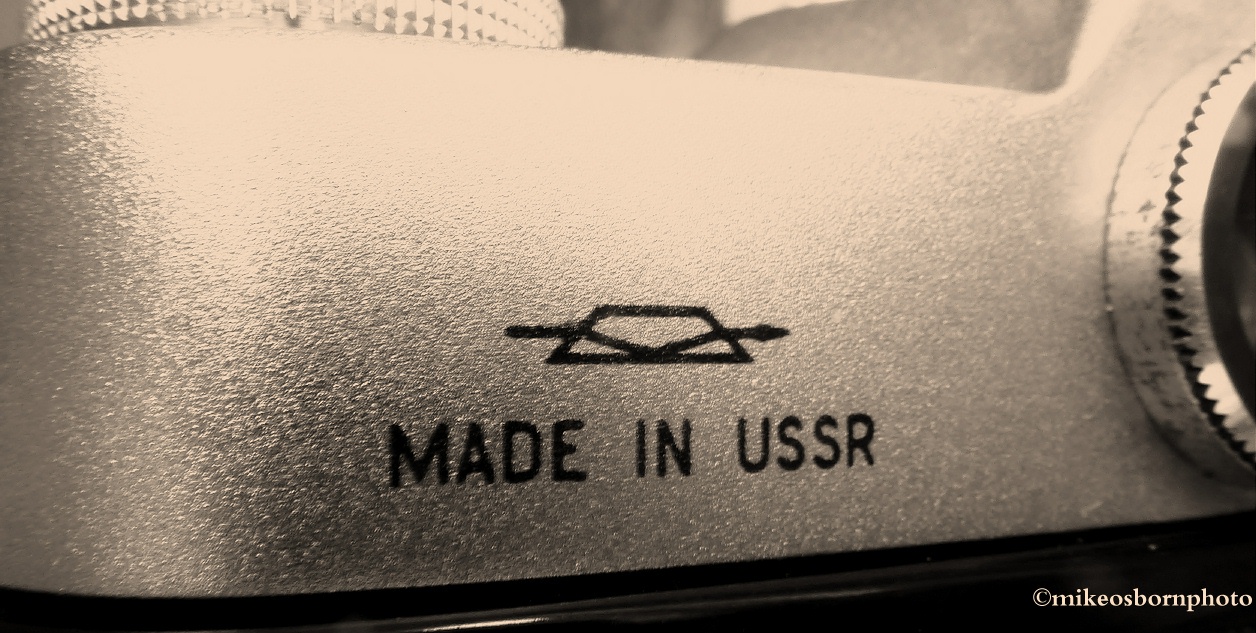
Made in USSRIn October I excitedly announced the arrival of my new camera – a Zenit made in the USSR nearly 45 years ago. It’s a mechanical beauty which takes film, and I quietly went about getting to grips with analogue.

I’ve been running my digital cameras as normal – more recently a Fujifilm X-E1 – so it’s taken a long time to come near to filling a roll of monochrome film and sending it off to the processing lab to see the first results.

This looked tantalisingly likely this weekend, so I braved the cold to capture those closing shots.

My Zenit-3 seemed to promise a couple of bonus shots, as I was expecting the shutter lever to tighten and signal the film’s end. But it just didn’t happen.

Back in the warm, I decided to manually rewind the film – only to discover there was no tension there at all. I opened up the back to find my worst fears had come true.

The film was torn from its cartridge and the entire roll was ruined.

Well the post-mortem showed that I’d made a very stupid mistake. This majestic old camera doesn’t tell me the film is nearing its end. When the mechanical counter reaches 36, that’s your cue to rewind the film. Don’t try to squeeze a couple of extra clicks.

So this was a Soviet disaster, although maybe not on the scale of Chernobyl. Another film has been loaded into the Zenit and I’m going to start all over again.

This isn’t a digital camera where you receive a polite message if your memory card is full up. It requires an old-fashioned kind of respect. It’s been tempting to give up this analogue journey and its pitfalls, but I’ll keep going.

This camera has been around longer than I have, so I’ll take notice of my elder and learn from her.