Djerba: A little piece of Tunisia

There’s only one way to escape a long British winter and that’s flying off to warmer climes.

I chose Tunisia as my change of scenery and the island of Djerba in the south of this North African country.

Djerba has been welcoming guests for decades with its Mediterranean shores, golden sands and wealth of hotels.

While relaxing in the sun is on offer, delve a little deeper and you’ll discover Arab culture and the vibrancy of the souk. CONTINUE READING BELOW


Tap/click first image to see gallery

Booking my package trip to Djerba was effortless, with direct flights from Manchester and choosing one of the numerous hotels on offer.

The Iberostar Waves Mehari, with its large premises at the quieter end of Djerba’s north-east coast and close to the beach, looked a good choice.

The gardens were nicely manicured, my room quiet and comfortable, while the buffet restaurant was packed with delicious food at breakfast and dinner.

The hotel also has its own stretch of beach – the starting point for me to explore this developed coast. First impressions were that it was a little scruffy, while friendly packs of dogs existed alongside camels and horses that could be hired for rides.

While many holidaymakers choose to relax by the hotel pool, I decided to hire a bicycle thanks to the very friendly service of Djerba Cyclo.

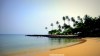
I visited other parts of the island’s coastline on my metal steed and discovered some truly stunning beaches which were practically deserted and bathed in Caribbean colours.
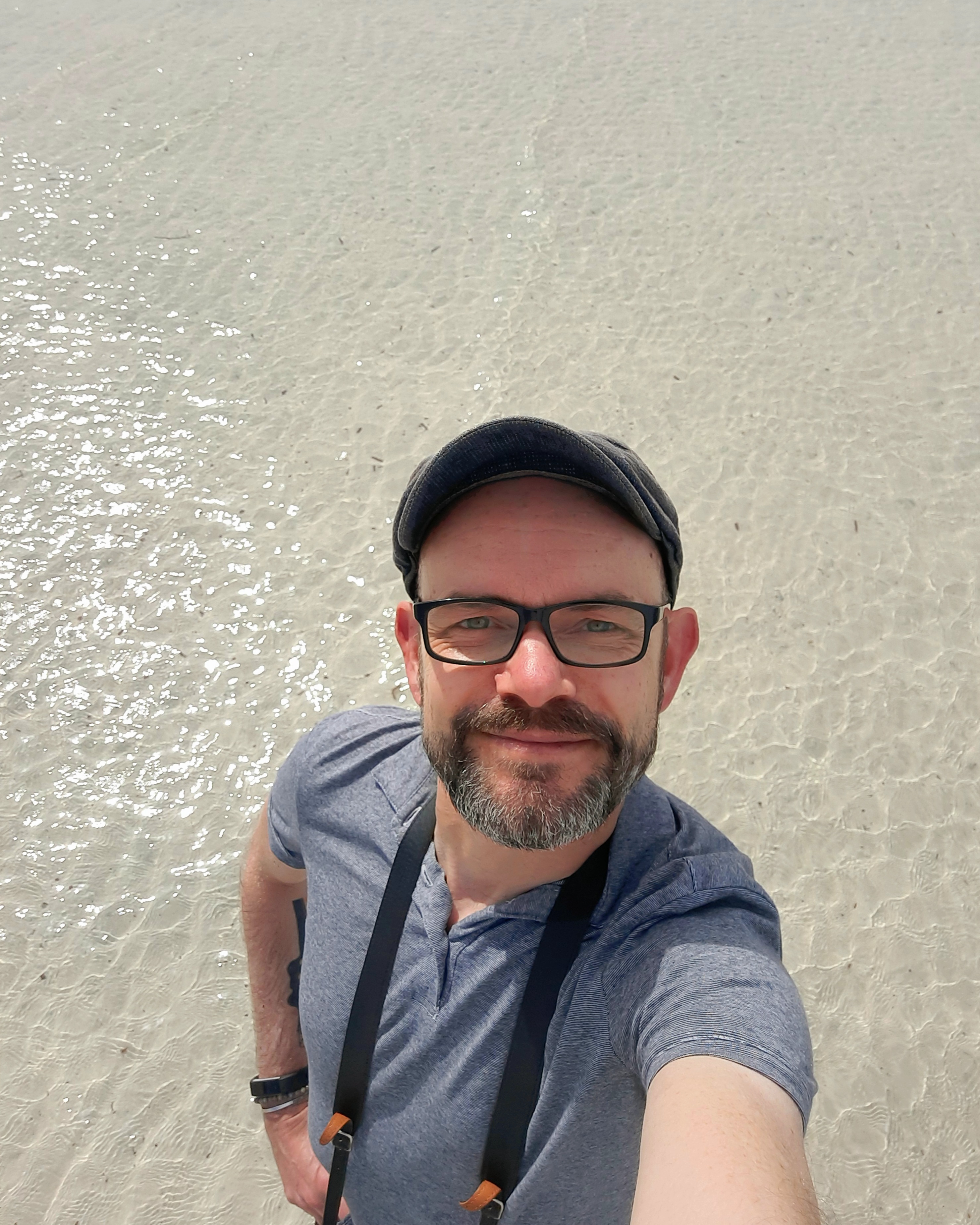
Author Mike Osborn enjoying the cool waters of Djerba in Tunisia.

Djerba is a place to take a paddle

I was intent on visiting Houmt Souk, Djerba’s main town, but swapped bike for very reasonably priced taxi to make the 22km journey each way.

The town’s old souk is captivating with its little winding streets with some shabby facades offering colourful wares.

Yes you’ll be hustled inside shops and given the hard sell, but it’s part of the experience and there’s never an obligation to buy. Use it as an opportunity to speak to Tunisians and find out a little more about them.

It’s also worth walking to the seafront and visiting the Ghazi Mustapha fortress’s solid walls. From the ramparts I noticed bathers paddling in the surprisingly shallow waters.

Djerba. You can visit and never leave your sunbed – the perfect holiday for some people. But it’s worth seeing more of this Tunisian island. Next time: Cycle rides, mosques and Djerban architecture.

Link to more posts about travel on mikeosbornphoto

São Tomé: Holiday paradise?

Choosing an unusual holiday destination is a bit of a gamble.

But when a country has relatively few visitors, you hope your efforts will be rewarded with something out of this world (and bragging rights!)

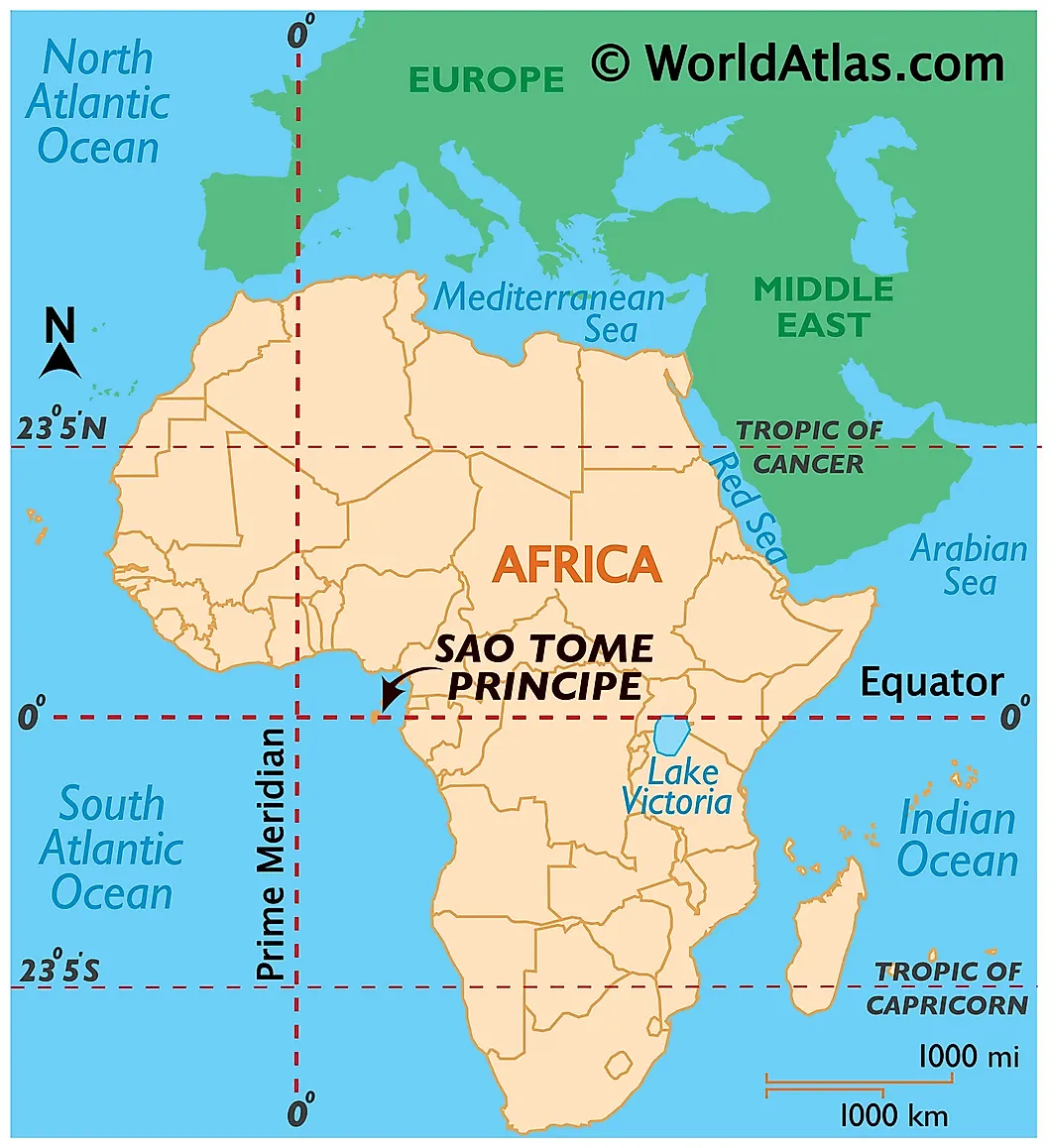
So I journeyed from Manchester to Lisbon to catch a six-and-a-half-hour flight to São Tomé e Príncipe, a small island nation off the African coast.

São Tomé is the largest island with the bulk of the country’s 223,000 inhabitants. The journey from the airport was straight through the capital city at dusk, which hummed with life.

Was it worth going the extra mile to see this island? CONTINUE READING BELOW


Tap/click first image to view gallery


My first lasting impression of São Tomé was one of holiday bungalows set in palm-fringed grounds, with a private beach and pool area close by.

Club Santana seemed geared up to European visitors who could happily wile away a fortnight relaxing in the winter sun – and I tapped into that vibe.

But this was also my base to begin exploring the island, which I did courtesy of guide Diego and a driver.

The eastern side of São Tomé is pierced with coastal highlights including the lively Mouth of Hell and broad sandy beaches.

This was also my first taste of the country’s roças. These grand estates were built by the Portuguese during their centuries of rule to exploit São Tomé’s cocoa resources.

Since independence in 1975 the roças have fallen into disrepair, but families are still living in the dilapidated buildings and struggling to make a living. It’s ironic that these colonial throwbacks are now very much on the tourist trail.

A bungalow at the Mucumbli lodge on the island of São Tomé.

My Mucumbli bungalow was surrounded by lush tropical greenery

I visited Roça São João which has been turned into a small hotel and is famous for its multi-course tasting menu. Maybe this is the future for São Tomé’s dessicating colonial leftovers.

There had to be a trip to São Tomé’s capital city, where I was drawn to some crumbling but boldly painted architecture.

It has the chaotic verve of any African city with people going about their daily business under tropical humidity. It’s a lot and you need to keep your wits about you.

I left São Tomé for a number of days to stay on its tranquil smaller sibling Príncipe, returning to a new home and a different set of experiences.

Mucumbli lodge is on the west coast of the island, a verdant oasis with views over the ocean. I had my own bungalow again, with rustic furnishings and a peaceful terrace facing the trees and Atlantic.

Activities here were more energetic, including a hike around the island’s Lagoa Amelia, a rich area of cultivated terraces and dense rainforest.

Seven hours and many slippery paths later, I was proud to have made it and needed a very long shower back at Mucumbli and one of their beautifully cooked, tasty dinners.

Is São Tomé worth the journey?

So did my São Tomé gamble pay off and is it the holiday paradise we haven’t yet discovered?

Well if you want a very exotic couple of weeks basking in the sunshine, that’s possible. The island has some well established accommodation to suit languid Europeans. The quality of food and level of service is impressive.

But there’s so much more this country has to offer, with beautiful landscapes, stunning nature and a compelling history. You’d be missing out if you didn’t venture beyond your relaxing compound.

A word of warning, however. English has only been taught in high schools since 2019 and São Tomé is only used to relatively small numbers of visitors. But well worth considering before tourism really takes over these little islands.

My trip to São Tomé e Príncipe was organised by Archipelago Choice, a small specialist travel agency based here in northern England. International flights to the islands were with Air Portugal and inter-island flights with STP Airways.

Link to more posts about travel on mikeosbornphoto

Winter sunshine

The British winter can be long and unrelenting. Sunlight is often in scant supply, the days are short – and it’s cold. If you’re prepared to travel, you can find guaranteed sunshine and summer temperatures. This country is a six-hour flight away, and about the closest place to find surefire fine weather.

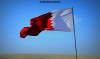
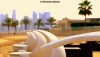
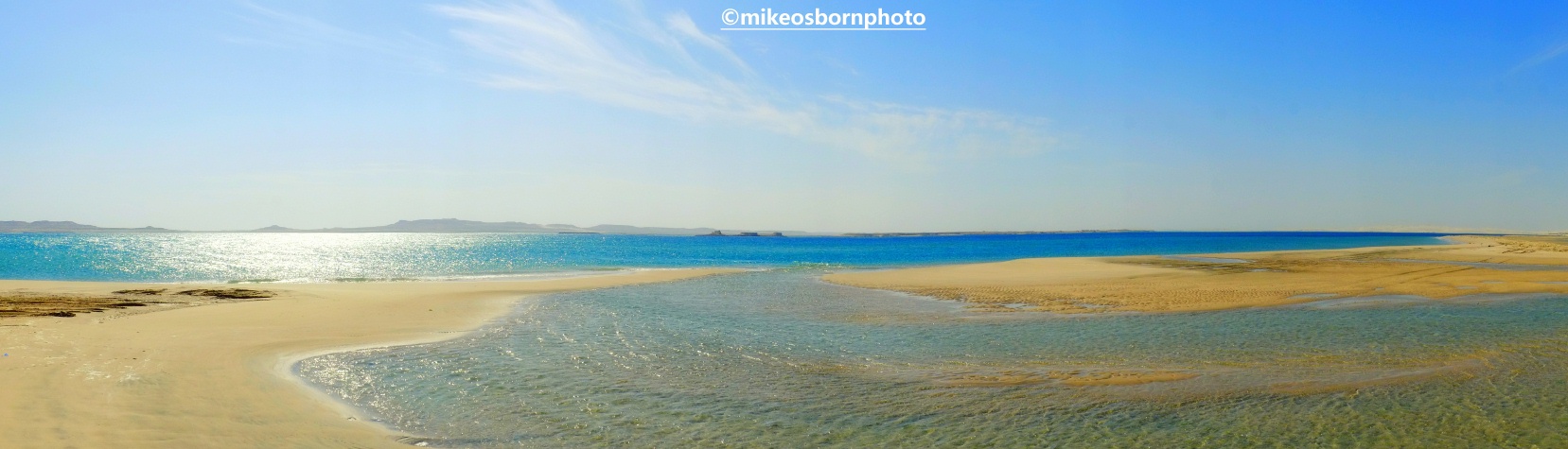
Dubai in the United Arab Emirates is now established as a winter getaway, but further north in the Arabian Gulf is the small emirate of Qatar. Daytime temperatures in January are around 25C and the skies remain largely blue. Its showpiece capital city Doha sits on the water, offering beaches and terraces for enjoying the favourable climate.

There’s plenty more to share from this dynamic nation, but this could be the winter destination you simply haven’t considered yet…


Click first image to view the gallery

Khor al AdaidClick to enlarge


facebookfollow

W5 walk

Walpole Park sign

This is the snapshot of a walk around a London park. Not one of the large showcases like Hyde or Regent’s Park, but a smaller green space in Ealing, a westerly suburb of the capital. 

Walpole Park was once the grounds of a manor house, which still stands and is now a gallery. Its former gardens are elegantly planted with mature avenues of trees.

At its heart is a stately water feature, complete with a fountain that gushes occasionally, leaving darkened ripples in its wake. 

A much more modern addition is a magnetic sculpture which catches coins and seems to fascinate visitors of all ages – including us. On a sharply sunny morning, this was a memorable winter jaunt.

Click first image to view the gallery

Instagram widget