Retro mono

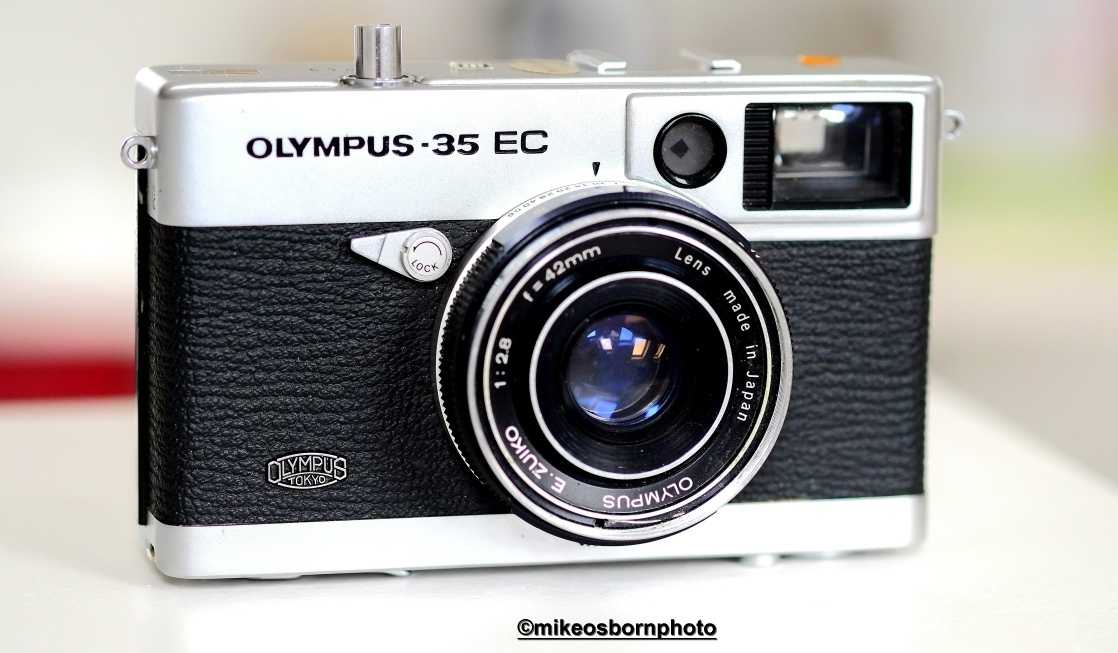
It’s time for another sidestep into film photography. Some months ago my vintage Olympus-35 EC was loaded up with an Ilford HP5 400 black and white film. On various occasions it’s been slipped into my pocket and taken on walks around London and beyond.

Finally the roll came back from the developers, spiced with the old-fashioned magic of wondering what the results were – and not quite remembering taking some of them. At least this time there were no misfires or focusing disasters.

My first impression wasn’t as dazzling as the first colour film, which was rich and sparkling, defying all expectations for a 46-year-old camera. Unsurprisingly monochrome is far more subtle and creates an entirely different mood. The contrast is decent but benefited from a minimal, careful amount of post-processing. The grain appears strong and consistent, adding atmosphere and authenticity – far removed from the smoothness of digital.

Any impressions or thoughts will be much appreciated…


Click first image to view this set


Olympus-35 ECGallery entrance

The new joy of film

Olympus-35 ECI recently became the owner of an Olympus-35 EC, a compact film camera made in Japan around 1970. It’s close to pristine and its battery-powered components remain fully functional.

The proof of the pudding is in the shooting, however, so I quickly and easily loaded a Fuji ISO 400 colour film and went on my travels around west London with it tucked away in my pocket. Unloading the film was also slick and stress-free with this clever little gadget.

The first results have arrived after a trip to the developers. The bad news first – some close-ups I attempted were out of focus failures, simply beyond the range of the little Zuiko lens.

But that was the only downside. I’m impressed that a 45-year-old camera is still able to produce such clarity, depth and colour with that authentic granularity. Film definitely rivals digital on this evidence – and has its own magic too.


Click first image to view this selection

Gallery entrance

The Photo Shop


Japanese retro

Olympus-35 EC

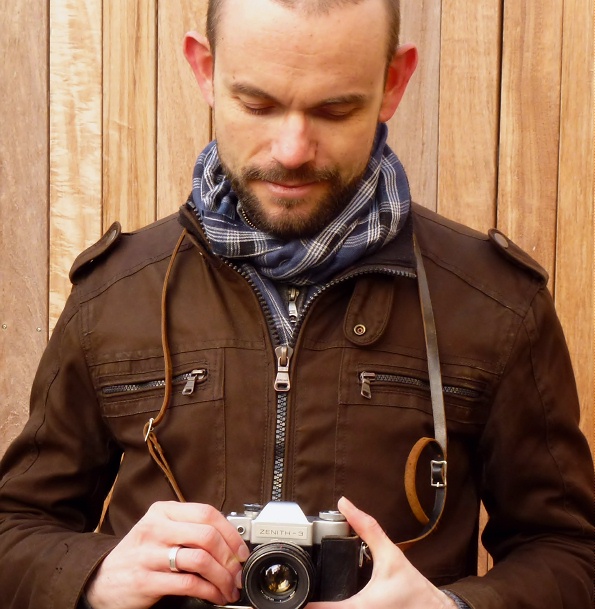
My deep-rooted interest in film photography has taken flight again. Two years have passed since a 1968 Soviet Zenit took its place in my camera family, but its mechanical bulk and a slight fear of its needs have left it resting gracefully in a drawer.

A visit to The Photographers Gallery here in London set this new phase in motion. Their shop sells beautifully reconditioned Olympus Trips, a classic of its era. A bit of sage advice from Zorki Photo and a trawl around eBay resulted in the purchase of a well looked after Olympus 35 EC for £32.

Unlike my hulking Zenit, this is a 35mm compact in every sense. Its electronic shutter is powered by a couple of small batteries. Essentially a point and shoot, all you need to determine is the focus, divided into five zones.

Click first image to view the gallery

I’ve already loaded my new baby with a roll of Fuji Superia 400 colour film, a much more stress-free task than with the Zenit. A couple of test shots made it feel as simple as it was intended at the cusp of the 1970s, although there’s no pleasing mechanical shutter release thunk.

The only worry is that I’ll become frustrated over the lack of control with this little Olympus, preferring to operate my Fuji in manual mode at all times. But I already see it as a camera I can easily pop in my pocket and revive the joy of shooting film with – seeking out different light and colours and not knowing your results until they arrive in the post.

And yes, some shots may well eventually find their way onto that least analogue of mediums…

Instagram widget

The rebirth of film

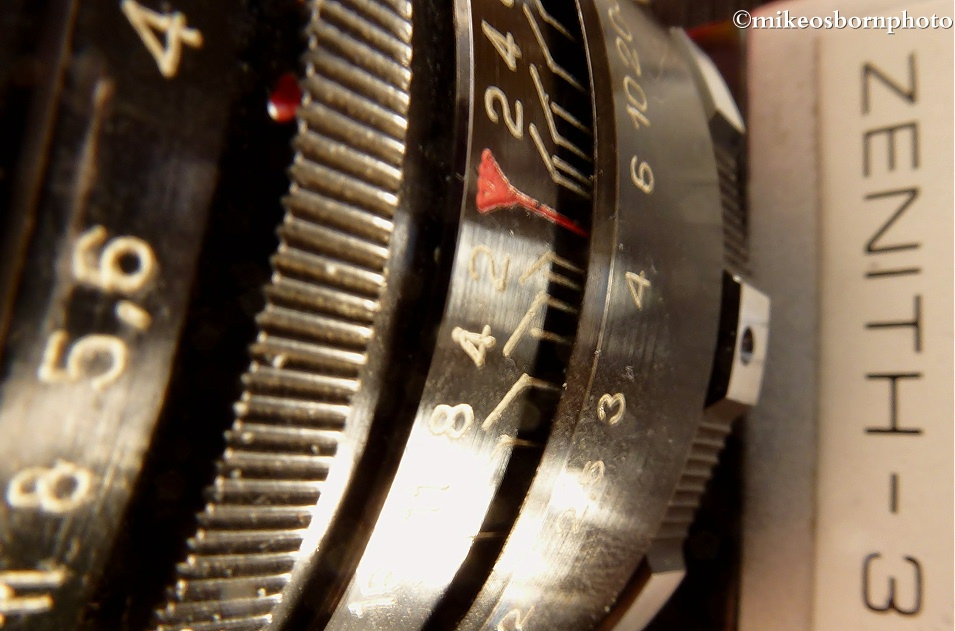
Zenit macroZenith-3

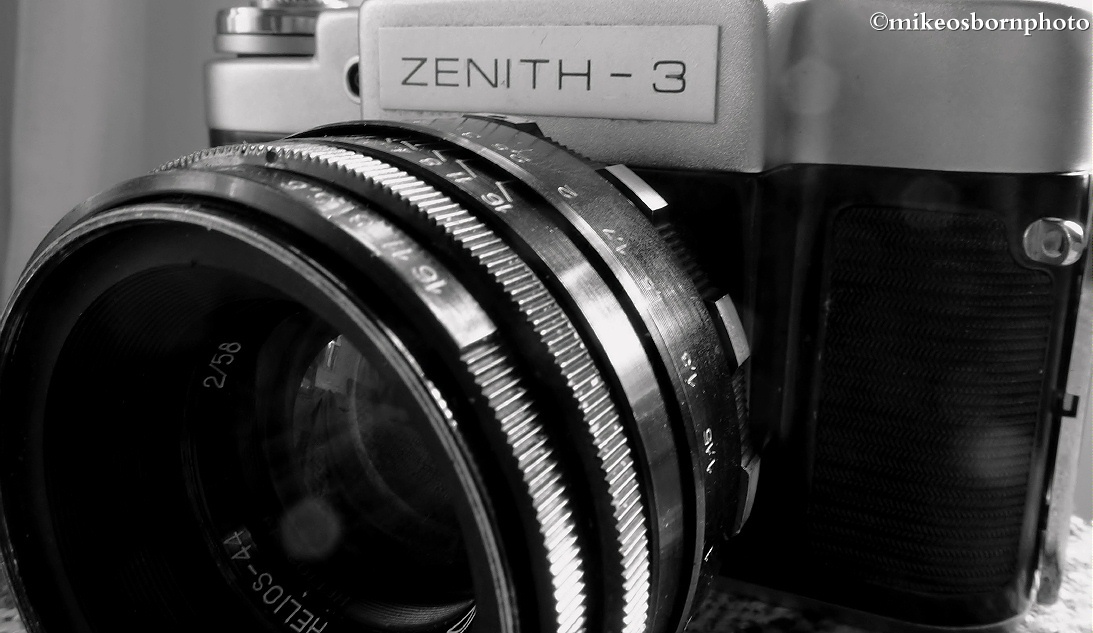
It’s been more than seven months since I took delivery of my 1968 Zenit-3 camera, a beautiful, mechanical beast from the Soviet Union promising the retro joy of film photography and a new way of looking through the lens.

I soon became used to its weight and vintage clunkiness, the lack of battery and digital function. A flurry of enthusiasm was dampened by my lack of experience, leading to the pain of ruining an entire film of shots.

The heady smell of my Zenit’s leather case was left untouched for months before I dived in for another attempt. This time I minimised the risk of destroying another roll of film by winding it back prematurely. That was after fast-shooting in an afternoon to avoid further long delays.

Well the first results were returned, and it evoked the boyhood memory of checking a sheet of negatives against the light. Yes, I had shots, although some had failed due to overexposure on a very bright day.

This selection of monochrome images are simple, safe and taken around my west London neighbourhood of Hammersmith and Ravenscourt Park.

Click first image to launch the gallery

Was it worth the wait? I love the grain to these shots. They feel entirely different to the crisp images produced by my Fuji X-E1. The focus and depth on the garden wall image is very good, while the floral images have a compelling quality in black and white.

But the initial results of this return to film expose how digital has dulled my instincts for the technicalities of photography. I had to made blunt guesses about aperture and exposures – although analogue aficionado Stephen Dowling says a pocket light meter is a must. These photos, taken on a sunny day, seem a little bleached and lack the strength of contrast monochrome offers.

However, the Zenit makes me think differently about taking pictures and often goes against my usual thinking. It obviously has practical drawbacks and requires the effort we used to exert without a moment’s worry.

Right now the camera is sitting idly and may not be picked up again for a while. But after 45 years in existence, this patient creature is always ready for the next assignment with its latest – still wet behind the ears – owner.

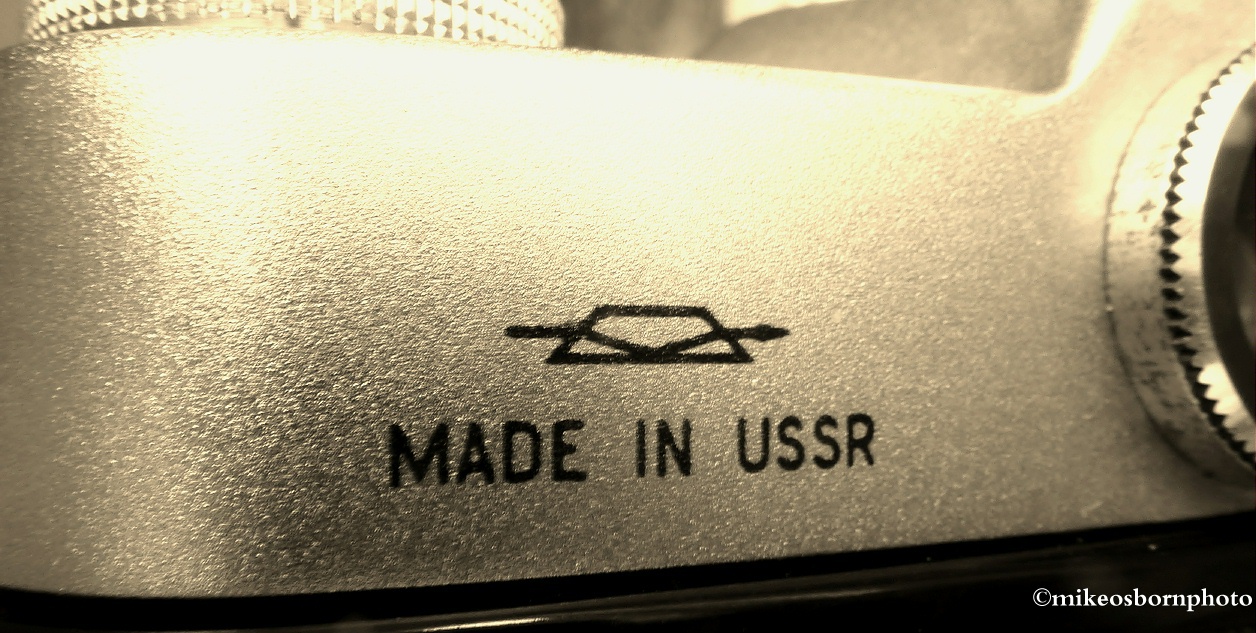
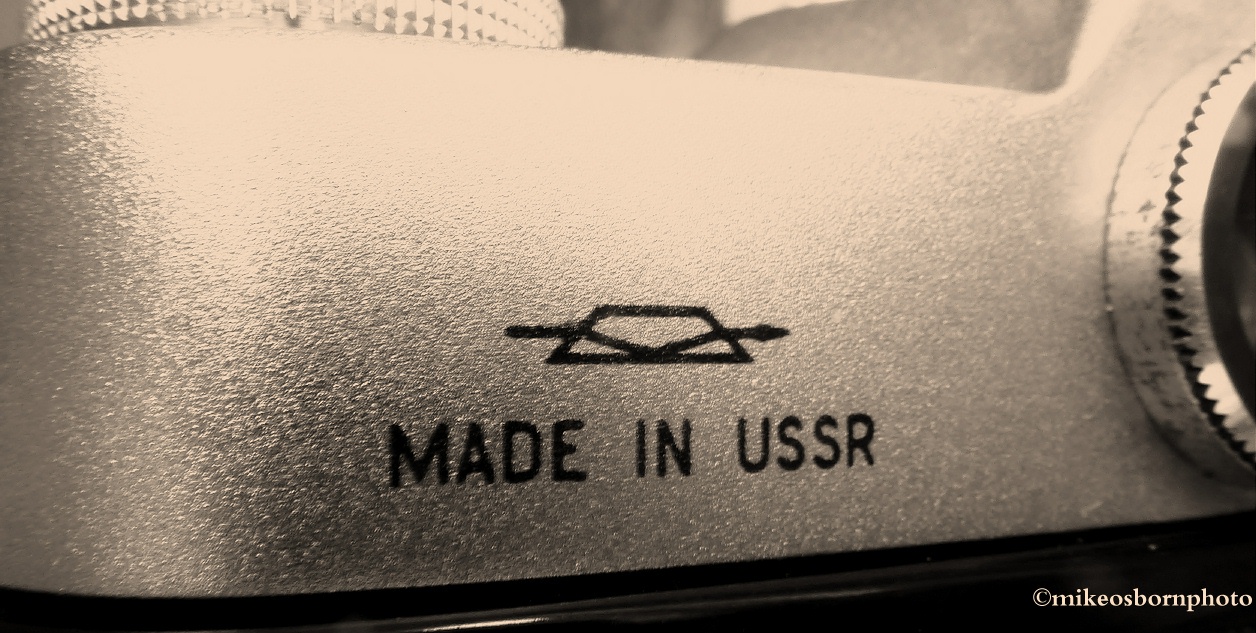
Made in USSRRead the first post about my new Soviet friend here

My new Soviet friend

A new chapter in photography is opening up for me – but it is one which is distinctly retro and vaguely familiar.

I have invested a relatively small amount of money in a Zenit-3 camera, made in the Soviet Union in 1968. It is very solid, its weight protected by a fragrant leather case – and entirely mechanical. There’s no sniff of a battery here, and of course it takes rolls of film. That’s what we all used to do before the advent of digital cameras and memory cards.

The familiarity comes from being old enough to remember film photography, while around 1980 my late father bought me a Zenit camera which I remember very well.

My hands were too small to handle this metal chassis, while the finer points of aperture and shutter times were a little beyond me. But it was used to produce slides from family holidays and star trail captures from an interest in astronomy.

This memory was revived by Stephen Dowling, a  friend with a passion for vintage photography. His Flickr stream shows just what can be achieved with Soviet cameras and spurred me into my recent purchase.

In the first few tentative weeks I’ve mechanically loaded the first film, which is a feat in itself. The first shots without a digital guide to light levels have been a challenge. So has remembering to stop the aperture myself.

But the love affair is taking root – the clunk of the shutter is beautiful and focusing by hand delicious. It’s a world away from my trusty, nimble and lightweight Lumix which will remain the main tool of my photographic endeavours.

What the first black and white film from my Zenit yields will remain a mystery until it’s been developed, but I look forward to sharing the results here.