Small objects

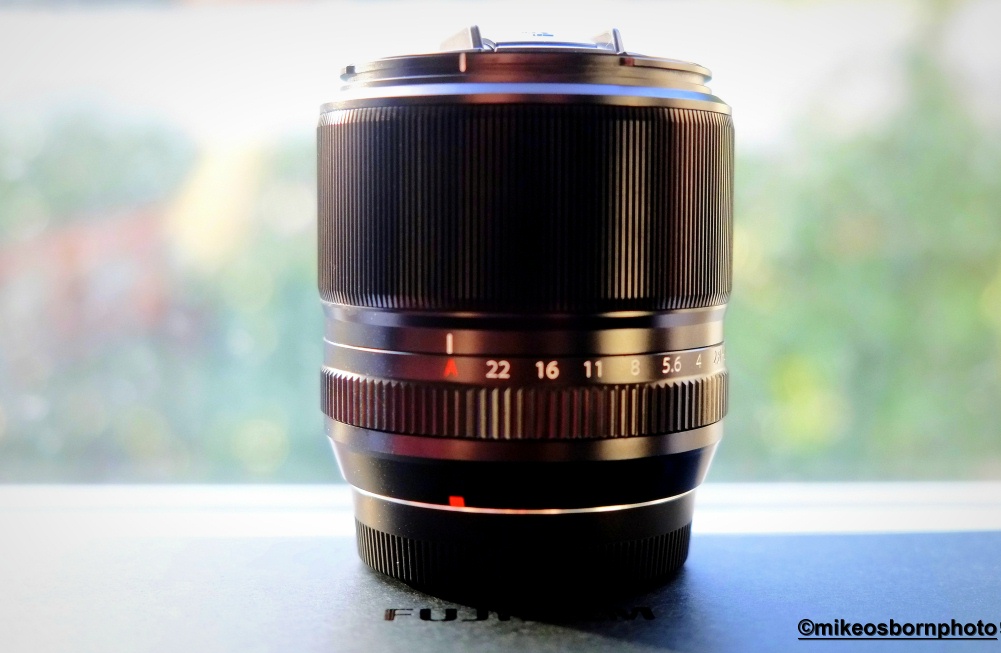
I didn’t venture very far to put my new Fuji XF60mm macro lens to the test for the first time.

The living room shelves are scattered with small objects and precious trinkets, perfect for close-up captures.

This lens turns my Fuji X-E1 into a different creature, while the needs of macro photography are entirely different. Your eyes aren’t looking outwards for the bigger picture any more.

The new lens works on aperture priority, a big shift from my usual shutter speed preference which lets the camera choose the best lens opening. An old school aperture ring on the lens needs to be engaged. It’s best to stay wide open in less bright indoor conditions – macro work seems to devour the light.

Automatic focus is quite slow, so I shifted to manual mode and used a one-touch button to control the focus and exposure, which was much smoother.

This shift of emphasis to the little world throws up other issues – it shows up just how unsteady you are (especially if you have a natural tremor like I do). The answer may be a tripod or remote release mechanism.

And my shelf-bound objects revealed every fleck of dust and fluff through the macro lens – my advice is to have a good dust and polish before you take their photograph.

These first results are pleasing. Focus is sharp and very specific on certain shots and there is a lot of milky bokeh. I wanted to capture texture abstracts on this small scale and have achieved that already. It’s a small world after all…

Click first image to launch the gallery

72nd floor abstract - clean (2)

Macro baby

This is like announcing a new birth to the world, with all the pride and excitement of a new father.

The new member of my camera family is the Fuji XF60mm macro lens, intended to widen the scope of my photography, and bring with it new possibilities.

It was quite an investment at £465, but a £100 cashback deal offered by Fuji UK – which runs until 16 January – helped lessen the blow.

Macro baby (FujiXFf60mm) monoThis new acquisition is a secondary lens for my Fuji X-E1, the camera I use for most of my work. It should prove a useful addition, as the principal lens really struggles to do any meaningful close-up shots.

Ironically, it put up a fight when taking the photographs of the XF60mm shown here. I used to revert to my little compact Lumix TZ-20 for close-ups, including a collection of winter shots when London was blanketed in show last year.

The little Lumix is likely to sit on the shelf now, although it’s still a handy little camera you can slip into your pocket. And now with an extra member of the family, I’ve invested in a new kit bag, but the load is still quite light.

Macro baby (Fuji XF60mm)The next job is to attach the new lens and take it out for a spin. Favourable reviews promise very good performance on detailed nature shots, while I’d like to use it to create macro abstracts using texture. It’s also an effective portrait lens – an area I must venture into this coming year.

If any of you have any experience of the Fuji XF60mm, please let me know. And any other general tips for getting the most out of a macro lens would be greatly appreciated.

I’ll share my first results with you as soon as they are created.

The rebirth of film

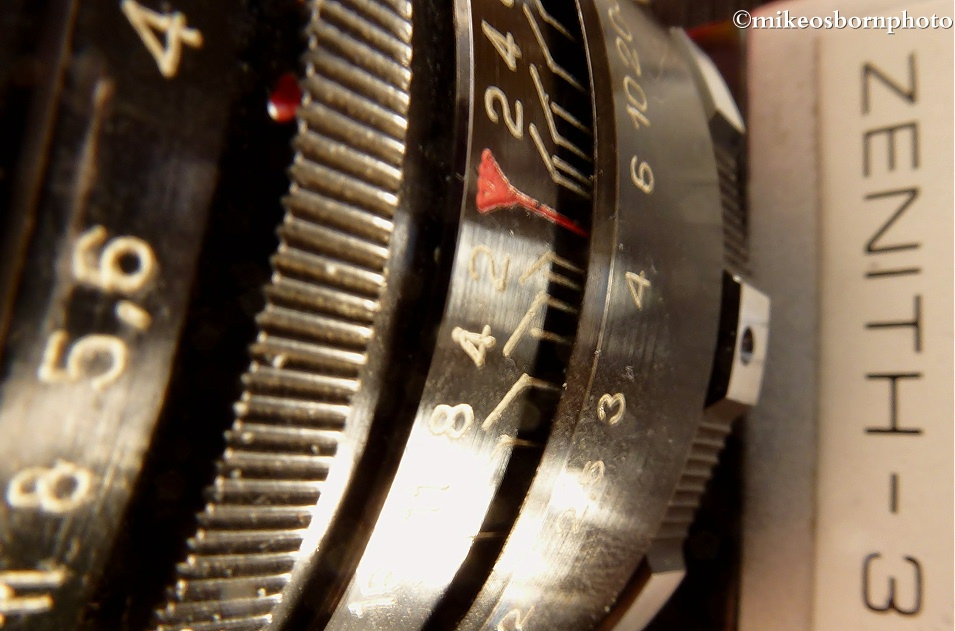
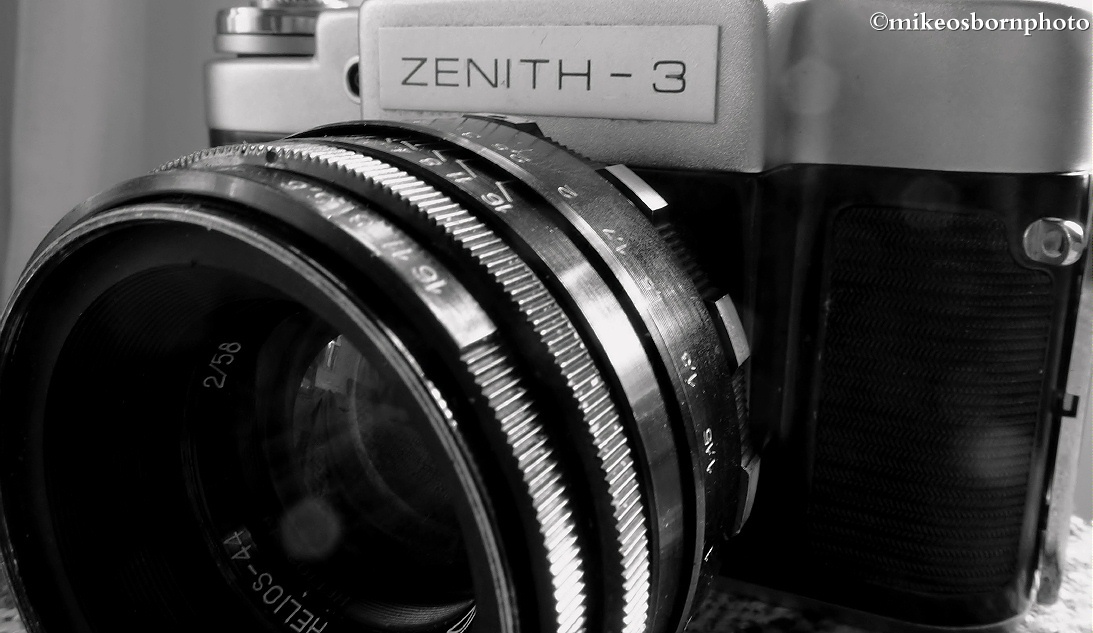
Zenit macroZenith-3

It’s been more than seven months since I took delivery of my 1968 Zenit-3 camera, a beautiful, mechanical beast from the Soviet Union promising the retro joy of film photography and a new way of looking through the lens.

I soon became used to its weight and vintage clunkiness, the lack of battery and digital function. A flurry of enthusiasm was dampened by my lack of experience, leading to the pain of ruining an entire film of shots.

The heady smell of my Zenit’s leather case was left untouched for months before I dived in for another attempt. This time I minimised the risk of destroying another roll of film by winding it back prematurely. That was after fast-shooting in an afternoon to avoid further long delays.

Well the first results were returned, and it evoked the boyhood memory of checking a sheet of negatives against the light. Yes, I had shots, although some had failed due to overexposure on a very bright day.

This selection of monochrome images are simple, safe and taken around my west London neighbourhood of Hammersmith and Ravenscourt Park.

Click first image to launch the gallery

Was it worth the wait? I love the grain to these shots. They feel entirely different to the crisp images produced by my Fuji X-E1. The focus and depth on the garden wall image is very good, while the floral images have a compelling quality in black and white.

But the initial results of this return to film expose how digital has dulled my instincts for the technicalities of photography. I had to made blunt guesses about aperture and exposures – although analogue aficionado Stephen Dowling says a pocket light meter is a must. These photos, taken on a sunny day, seem a little bleached and lack the strength of contrast monochrome offers.

However, the Zenit makes me think differently about taking pictures and often goes against my usual thinking. It obviously has practical drawbacks and requires the effort we used to exert without a moment’s worry.

Right now the camera is sitting idly and may not be picked up again for a while. But after 45 years in existence, this patient creature is always ready for the next assignment with its latest – still wet behind the ears – owner.

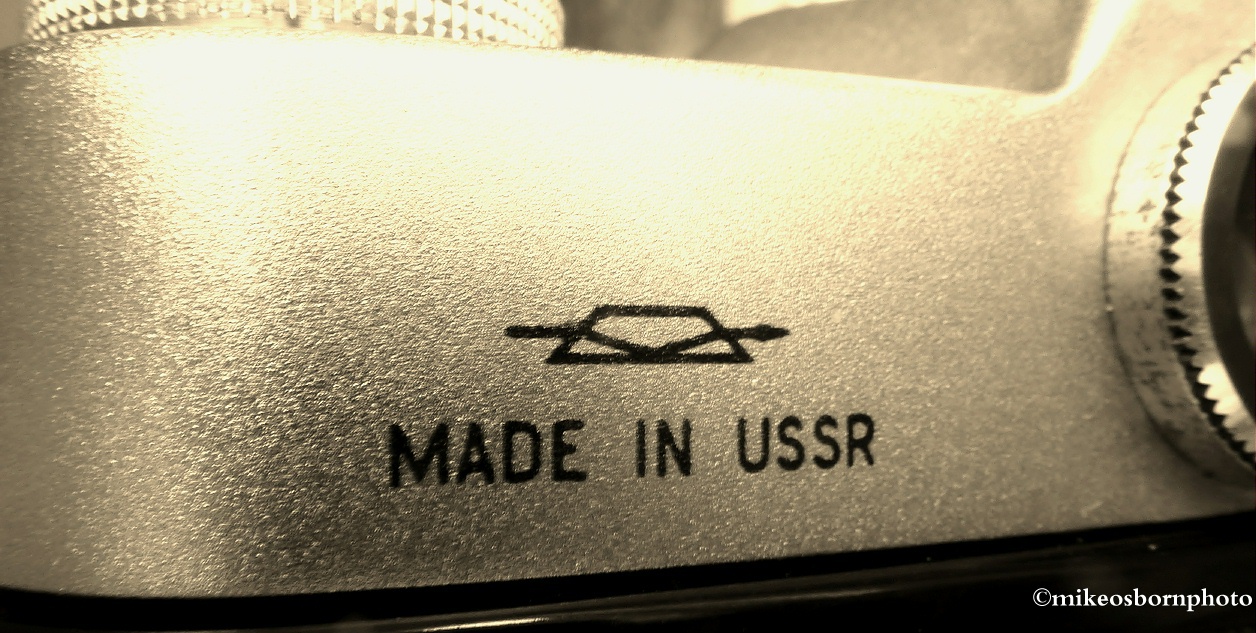
Made in USSRRead the first post about my new Soviet friend here

Soviet disaster

Made in USSRIn October I excitedly announced the arrival of my new camera – a Zenit made in the USSR nearly 45 years ago. It’s a mechanical beauty which takes film, and I quietly went about getting to grips with analogue.

I’ve been running my digital cameras as normal – more recently a Fujifilm X-E1 – so it’s taken a long time to come near to filling a roll of monochrome film and sending it off to the processing lab to see the first results.

This looked tantalisingly likely this weekend, so I braved the cold to capture those closing shots.

My Zenit-3 seemed to promise a couple of bonus shots, as I was expecting the shutter lever to tighten and signal the film’s end. But it just didn’t happen.

Back in the warm, I decided to manually rewind the film – only to discover there was no tension there at all. I opened up the back to find my worst fears had come true.

The film was torn from its cartridge and the entire roll was ruined.

Well the post-mortem showed that I’d made a very stupid mistake. This majestic old camera doesn’t tell me the film is nearing its end. When the mechanical counter reaches 36, that’s your cue to rewind the film. Don’t try to squeeze a couple of extra clicks.

So this was a Soviet disaster, although maybe not on the scale of Chernobyl. Another film has been loaded into the Zenit and I’m going to start all over again.

This isn’t a digital camera where you receive a polite message if your memory card is full up. It requires an old-fashioned kind of respect. It’s been tempting to give up this analogue journey and its pitfalls, but I’ll keep going.

This camera has been around longer than I have, so I’ll take notice of my elder and learn from her.

A new photographic era

Fuji buttonsFor years I’ve been a loyal user of Lumix cameras and have become very familiar with their workings and have often been pleased with the results.

The time has come to graduate to a more sophisticated machine, and after considerable deliberation I’ve taken delivery of a Fujifilm X-E1 system, which is an exciting yet daunting move after knowing my trusty TZ-20 with its nifty Leica zoom so well. The Fuji has a range of available lenses with the zoom primed to manual operation.

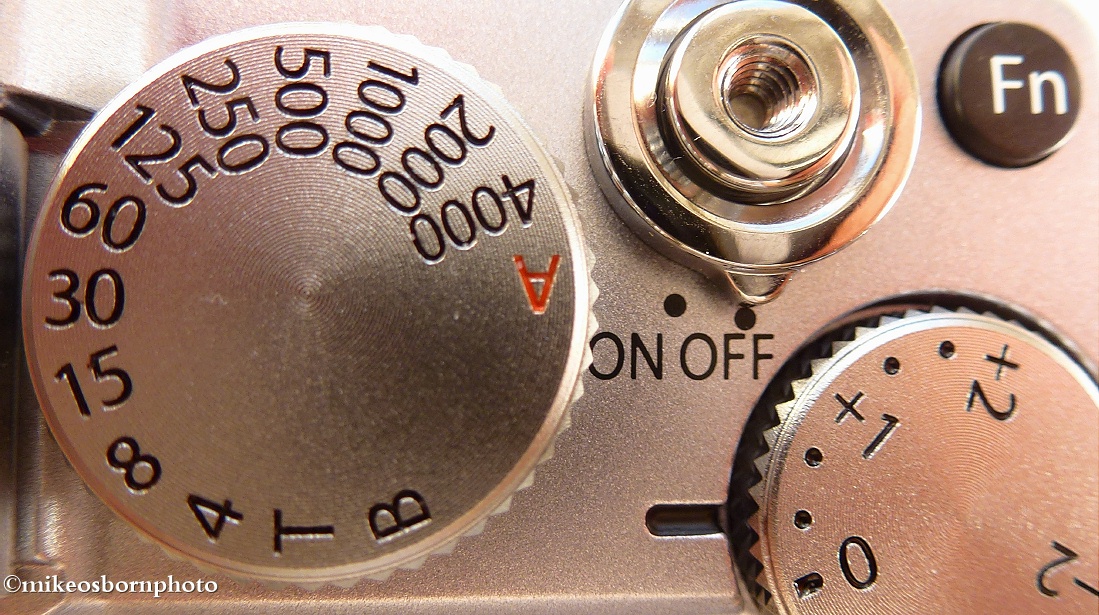
After studying reviews and asking friends on Twitter, the Fuji prevailed with its excellent combination of old school styling encasing and up to the minute technology and features. You can set the shutter speed with a tactile metal knob, or perform this function with a digital menu.

There is a familiar small screen on the back of the camera and an electronic viewfinder which activates when you place your eye next to it. On the face of it, this is a sophisticated package which should expose the limitations of my old camera.

First impressions

I spent hours with my new camera simply trying to become accustomed with all the functions and their location. And today I went out for the first time to put the system through its paces.

Feeling physically comfortable with your camera is very important to me, and my first port of call was to buy a small shoulder bag for my Fuji to live in – having that amount of costly camera around my neck didn’t feel right. The Lumix slides straight into my coat pocket.

When it came to taking the first shots, I decided to use shutter selection mode, letting the camera choose the aperture. This felt familiar, having always used my Lumix in manual mode. Choosing other settings is handily available through a quick menu.

Having a viewfinder again is peculiar – my instinct is to use the back screen, but I’ll have to retrain myself. While I’m now used to handling the heft of my vintage Soviet camera, the Fuji is a bigger beast than the little Lumix. I kept catching one of the control buttons and was scared of dropping it. Turning the camera for lengthways shots will also require a little practice.

As for the first photographs, I’ve yet to edit them. I would expect punchier, clearer shots and have already found myself using higher ISO levels which the Lumix struggled with. I’ll share them soon and in the meantime show you some more pictures of the X-E1.

Click the first image to launch the gallery