Cape Verde: Santiago

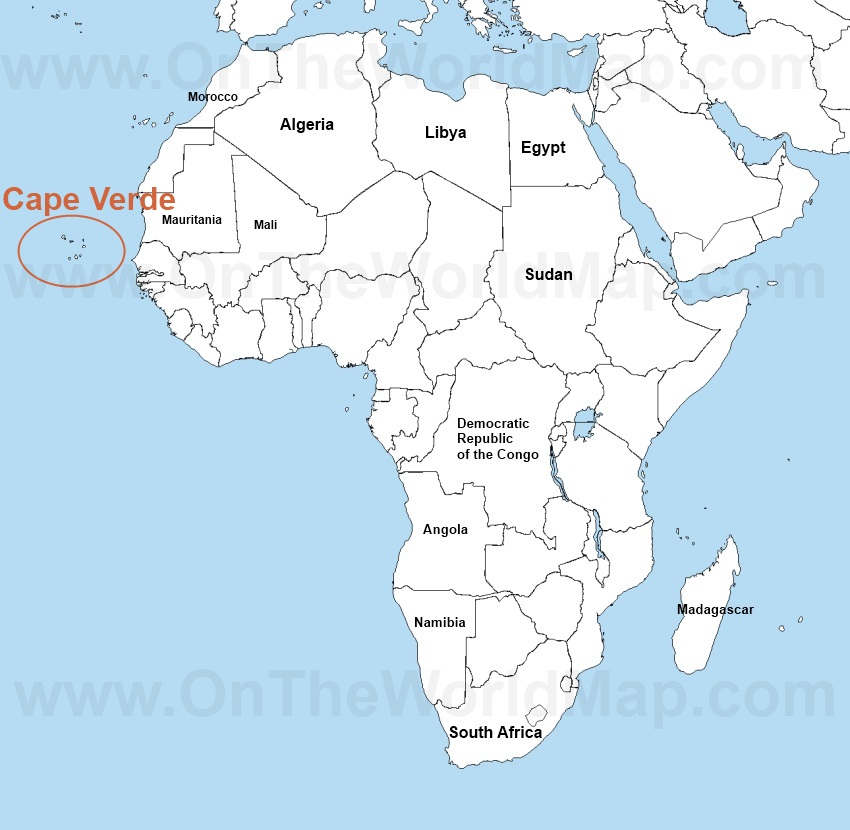
I finally ended three years without overseas travel with a trip to Cape Verde. This island nation sits in the Atlantic Ocean to the west of Senegal, Africa.

European holidaymakers are familiar with the islands of Sal and Boa Vista, which offer sunshine and relaxation in the depths of winter. But I decided to venture beyond the resorts.

I flew from Manchester to the capital city Praia via Lisbon in Portugal. So how was the island of Santiago, my first stop? It’s the biggest and most populous of Cape Verde, but does that always mean the best?… READ MORE BELOW


Tap/click first image to view gallery


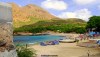
My home in Santiago was a beachside area to the south of Praia, which sits on a lofty plateau. A picturesque lighthouse, seaside strolls and decent restaurants were close to the comfortable Hotel Oasis Atlantico Praiamar.

Cape Verde’s capital is the seat of government and bustles with life. But it doesn’t pack the punch of another city in the archipelago which I visited later on during my stay.

A road trip around Santiago reveals an island dripping with attractions, from its epic mountain interior to amazing views over the city of Assomada.

Cidade Velha, the former colonial capital of Cape Verde, boasts historical ruins and charming island architecture.

Pretty bays nestle in the north around Tarrafal and valleys lush with banana plantations stand out in these often arid, volcanic islands. 

Santiago was the first of four islands I visited on my trip and was a good introduction to Cape Verde beyond the sun lounger. Would its smaller neighbours make a bigger impression? You’ll have to wait and see!
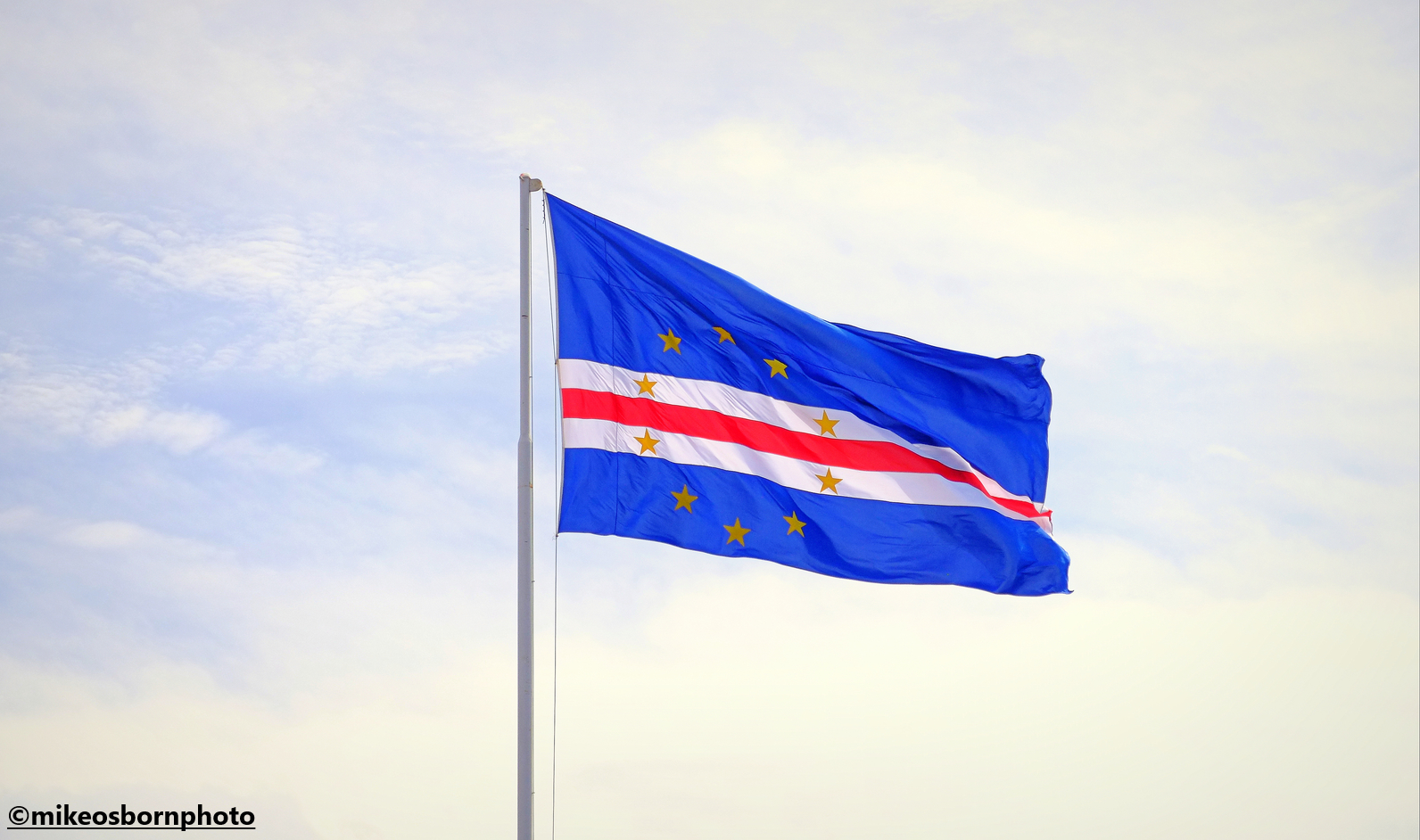
The flag of Cape Verde flying above the capital city Praia

A very large Cape Verde flag flies over Praia

Link to mikeosbornphoto's Instagram account

Abandoned

The vast southern African country of Namibia has a myriad of attractions, from its stark, majestic scenery to colourful colonial era towns.
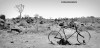

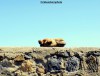
Kolmanskop is another of those gems. This settlement supported a diamond mine during the German occupation of the early 20th century. The last families moved out in the 1950s and it became a ghost town.

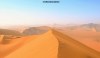
The Namib Desert’s dry climate has preserved the buildings and is slowly consuming them. Visitors are allowed to explore former dwellings from the hospital to a skittle alley.

Taking photographs is an unusual and slightly unnerving experience, while the pursuit of ‘abandonment porn’ is a popular one – see how tours of Chernobyl are now widely available.

A trip to Namibia should always include a visit to remarkable Kolmanskop.


Click first image to see gallery

Namibia: Desert nation

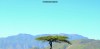
This vast, sparsely populated nation possesses ancient landscapes which overwhelm and inspire in equal measure.

Namibia sits above South Africa and is a 12-hour flight from Europe. Its natural terrain is remarkable, but there’s far more besides.

It has the full complement of African wildlife, from giraffes and elephants to crowds of antelope, ostrich and pink flamingo.

Namibia’s historical quirk is being one of Imperial Germany’s colonial adventures, which has left a lasting architectural and cultural legacy.

And those fans of abandonment porn, the ghostly mining town of Kolmanskop is a must in a country where your camera will work hard.


Click first image to see gallery


Portraits of Ethiopia

My visit to Ethiopia shattered the 1980s image of an impoverished nation wracked by famine. Today it’s a thriving, bustling place with a population in excess of 100 million people.

It’s very easy to make contact with Ethiopians as a Western visitor – they’re enthusiastic and want to talk to you. Kids are delighted when you take their photograph. Like Cuba, life is lived outdoors in the warm climate, so it’s easy to come away with candid shots.

They’re a proud bunch, with young people taking great pride in their appearance. Their elders are often serene with wisdom-etched faces. If, like me, you tend to shy away from capturing humans, Ethiopia may shift your focus.


Click first image to view the gallery

Welcome to Ethiopia

This was my first taste of sub-Saharan Africa and I was a little apprehensive before departing.

I chose Ethiopia because of its unique place on the continent – the only ancient country never to have been truly colonised by Europeans.

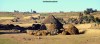
A lot of the ancient culture still stands in the guise of rock-hewn churches and magnificent castles. Add in some spectacular landscape and you have somewhere well worth visiting.

Ethiopia is a developing country which takes some getting used to. But the odd hotel shower that doesn’t work is part of the experience. 

Most of all it’s a proud, bustling nation that’s a long way from the harrowing images of famine we witnessed in the 1980s.

I’ll revisit Ethiopia soon with a post about its people.


Click first image to view the gallery